
.webp?auto=webp&width=880&height=495&disable=upscale&quality=75&fit=bounds)

.webp?auto=webp&width=880&height=495&disable=upscale&quality=75&fit=bounds)


.JPG?auto=webp&width=880&height=495&disable=upscale&quality=75&fit=bounds)
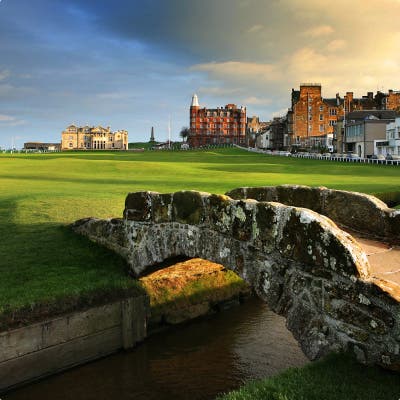

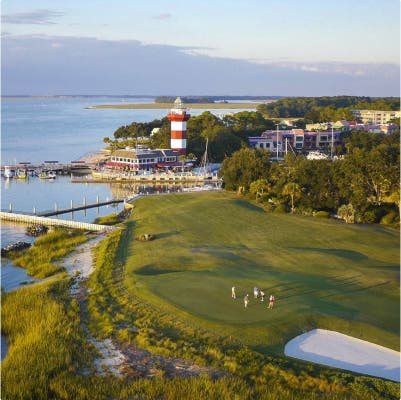

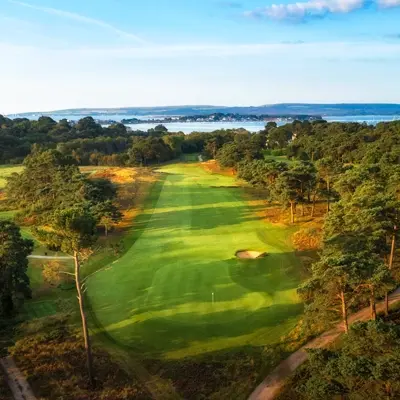

















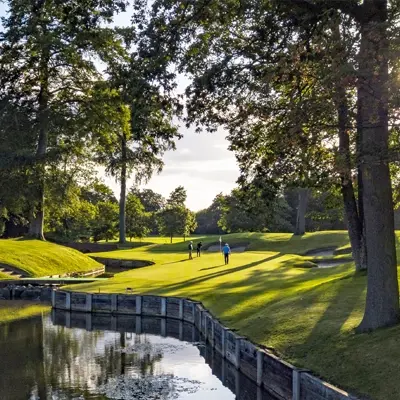
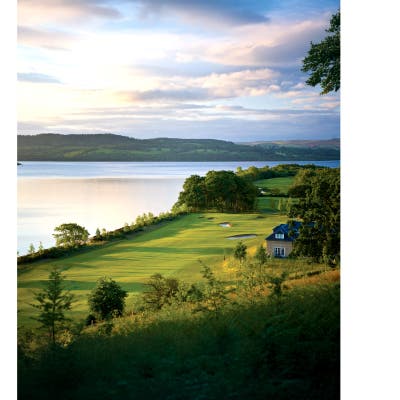
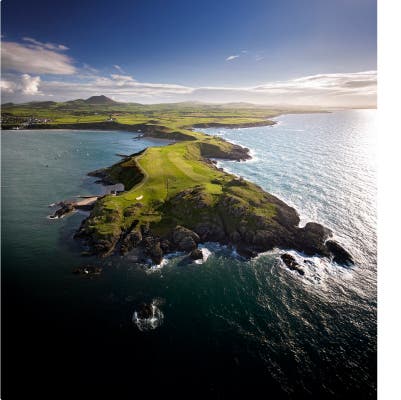
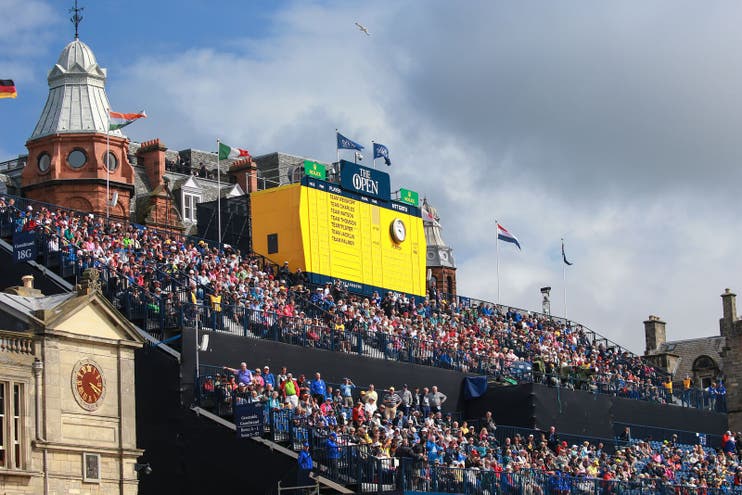
Golf course architects rarely get the spotlight, but their work shapes every shot you hit. The best designers do far more than place bunkers and greens. They influence how the game is played, how courses are experienced, and why certain layouts become truly iconic.
We've compiled this list of the best golf course architects in history, from the pioneers who laid the foundations of links golf to modern designers behind today’s championship venues and luxury resorts. Whether you’re interested in classic strategy, dramatic modern layouts, or timeless courses that reward creativity, these architects have defined the game we play today.
1. Dr Alister MacKenzie
The most influential strategic architect in golf history Born: 1870, England | Years active: c. 1907-1934 | Courses designed ( or redesigned): 50+ worldwide | Hall of fame: World Golf Hall of Fame (Architect category)
Why his name is legendary: Dr Alister MacKenzie is widely regarded as the most influential golf course architect of all time. His belief that courses should challenge the mind rather than the muscles transformed golf design and shifted the game away from purely penal layouts.
MacKenzie’s impact is measurable as well as philosophical. He helped shape three courses regularly ranked among the top 10 in Great Britain and Ireland, and his designs include some of the most recognisable venues in world golf. Augusta National, home of The Masters, alone secured his place in history, but his broader body of work influenced generations of architects who followed.
Design principles that shaped the game
- Strategy over strength, with multiple routes to the hole
- Natural-looking courses that blend into the landscape
- Green complexes that define the challenge of each hole
Why golfers travel to his courses: MacKenzie courses offer variety, fairness, and timeless appeal. They reward creativity and decision-making, ensuring they remain engaging for all skill levels.
Alwoodley golf course
Must-play Dr Alister MacKenzie courses
- Augusta National, in Georgia, USA - Famous as the annual home of The Masters, Augusta National showcases MacKenzie’s strategic brilliance through wide fairways, elevation changes, and iconic greens that place a premium on approach play.
- Alwoodley Golf Club, in Leeds - Often regarded as Harry Colt’s first great design, Alwoodley is a strategic heathland classic defined by natural undulation, intelligent bunkering, and subtle green complexes that reward thoughtful play.
- Moortown Golf Club, in Leeds - Home of the first Ryder Cup in 1927, Moortown offers a stern yet fair heathland test, combining firm turf, penal bunkering, and strong championship heritage.
Ideal for: Golfers who value strategy, history, and timeless design
2. Old Tom Morris
The man who laid the foundations of golf course architecture Born: 1821, St Andrews | Years active: c. 1840s–1900s | Courses designed: 70+ across Great Britain | Hall of Fame: World Golf Hall of Fame (Lifetime Achievement)
Why his name is legendary: Old Tom Morris is widely recognised as the original golf course architect. At a time when courses evolved almost entirely through natural play, he formalised the principles of routing, hazard placement, and strategic use of the landscape that still define links golf today.
Morris’s influence is unparalleled. He helped shape or develop several courses now consistently ranked among the very best in Great Britain and Ireland, including St Andrews, Royal Dornoch, and Carnoustie. Every architect who followed built upon the foundations he established, making his legacy fundamental to the game itself.
Design principles that shaped the game
- Minimal intervention, allowing the land to dictate play
- Strategic bunkering rather than penal hazards
- Embracing wind, firm turf, and the ground game
Why golfers travel to his courses: Morris’s courses offer authenticity and tradition, delivering golf that feels raw, natural, and deeply connected to the game’s origins.
The Old Course
Must-play Old Tom Morris' courses
- St Andrews Old Course, in St Andrews - Golf’s spiritual home is the most famous course in the world, combining shared fairways, legendary bunkers, and iconic greens shaped by centuries of play.
- Royal County Down Golf Club (Championship Course), in Belfast - Regularly ranked among the world’s greatest courses, Royal County Down is famed for its towering dunes, narrow fairways, and superbly contoured greens, delivering a stern yet spectacular links test against the backdrop of the Mourne Mountains.
- Royal Dornoch, in the Scottish Highlands - Often cited by elite players as one of the world’s finest courses, Royal Dornoch showcases natural links golf at its purest.
Ideal for: Golfers seeking heritage, tradition, and authentic links experiences
3. Harry Colt
The architect who brought strategy inland Born: 1869, England | Years active: c. 1905–1939 | Courses designed or redesigned: 300+ worldwide | Hall of Fame: World Golf Hall of Fame (Architect category)
Why his name is legendary: Harry Colt is credited with translating the strategic principles of links golf to inland settings, fundamentally shaping how heathland and parkland courses are designed. His work moved golf architecture beyond the coast and proved that intelligent strategy could thrive away from links terrain.
Colt’s influence is especially visible across Great Britain and Ireland, where he shaped many of the most revered inland courses. His design DNA runs through multiple layouts consistently ranked among the top courses in the region, and his approach to risk, reward, and balance continues to underpin modern golf architecture.
Design principles that shaped the game
- Risk-reward options on every hole
- Strategic bunkering that influences decision-making
- Layouts that reward precision rather than power
Why golfers travel to his courses: Colt courses are admired for their fairness and elegance, offering challenges that reward smart course management.
Old Course at Sunningdale Golf Club
Must-play Harry Colt courses
- Old Course, Sunningdale Golf Club, in Berkshire - A benchmark of heathland golf, the Old Course at Sunningdale combines strategic bunkering, subtle elevation changes, and superb green complexes to reward precision and intelligent shot placement.
- Dunluce Links, Royal Portrush, in Northern Ireland - Host of The Open Championship, the Dunluce Course delivers a thrilling links test through towering dunes, dramatic elevation, and some of the most visually striking holes in championship golf.
- New Course, Sunningdale Golf Club, in Berkshire - Sunningdale’s New Course offers a tougher, more rugged counterpart to the Old, with tighter fairways, bolder bunkering, and a sterner test off the tee, all within classic heathland scenery.
Ideal for: Golfers who enjoy intelligent, strategic challenges
4. Pete Dye (and family)
The architects who reshaped modern golf design Pete Dye born: 1925, USA | Years active: c. 1960s–2010s | Courses designed or redesigned: 100+ worldwide | Hall of Fame: World Golf Hall of Fame (Architect category)
Why the Dye name changed golf forever: Few names in golf architecture carry as much influence as Dye. Led by Pete Dye and shaped in close partnership with Alice Dye, the Dye family revolutionised course design by introducing bold visuals, psychological pressure, and dramatic risk-reward decisions that demand full commitment from golfers.
Their impact extends far beyond a single designer. Alice Dye played a crucial role in shaping strategy and improving playability for women and amateur golfers, while P.B. Dye and Perry Dye have expanded the family’s architectural reach across the United States United States and Europe. Collectively, the Dye family changed how golf courses look, feel, and challenge players, leaving a legacy defined by unforgettable holes and fearless design.
Collectively, the Dye family changed how golf courses look, feel, and challenge players.
Design principles that shaped the game
- Visual intimidation that heightens pressure
- Strategic use of forced carries and diagonal hazards
- Bold bunkering, railroad ties, and dramatic framing
- Courses designed to test decision-making as much as execution
Why golfers travel to Dye family courses: Dye courses are unforgettable. Iconic holes, nerve-testing shots, and dramatic visuals create moments golfers talk about long after the round ends. Love them or fear them, Dye courses demand commitment and confidence.
THE PLAYERS Stadium Course, TPC Sawgrass
Must-play Dye family courses
- TPC Sawgrass (Stadium Course) – Pete & Alice Dye, in Florida - Designed to challenge the world’s best while thrilling spectators, Sawgrass is famous for its island-green 17th and set the blueprint for stadium-style golf worldwide.
- Teeth of the Dog – Pete Dye, in the Dominican Republic - Often ranked as the Caribbean’s top course, Teeth of the Dog features seven dramatic oceanfront holes carved directly along the rocky coastline.
- The Ocean Course at Kiawah Island – Pete & Alice Dye, in South Carolina - Renowned for its exposure to wind and water, The Ocean Course is one of the toughest and most dramatic championship venues in the world.
Ideal for: Golfers who enjoy bold design, high-stakes decision-making, dramatic visuals, and courses that challenge both nerve and skill
5. Robert Trent Jones
The architect who redefined championship golf Born: 1906, England | Years active: c. 1930s–1990s | Courses designed or redesigned: 500+ worldwide | Hall of Fame: World Golf Hall of Fame (Architect category)
Why his name became global: Robert Trent Jones reshaped golf architecture in the post-war era by designing courses that were longer, tougher, and better suited to elite competition. As professional golf evolved, his layouts responded with increased length, demanding hazards, and championship-ready conditioning.
Jones’s influence was truly global. He designed or remodelled courses across Europe, North America, Asia, and Africa, helping to internationalise championship golf on an unprecedented scale. Many of his courses have hosted major championships and Ryder Cups, cementing his reputation as the architect of choice for tournament golf in the modern era.
Design principles that shaped the game
- Increased length and difficulty for elite players
- Penal hazards that demanded accuracy
- Courses designed specifically for tournament play
Why golfers travel to his courses: Jones courses are synonymous with championship pedigree, offering a sense of scale, difficulty, and tradition.

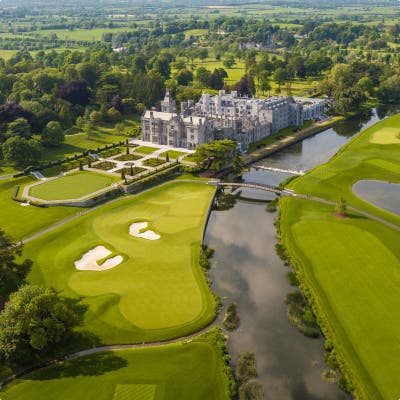
Adare Manor Golf Course
Must-play Robert Trent Jones courses
- Adare Manor Golf Club, in Limerick - Set within the grounds of a grand manor estate, Adare Manor offers immaculate parkland golf with tree-lined fairways, pristine conditioning, and a championship layout that will host the Ryder Cup.
- Ballybunion Golf Club (Old Course), in Killarney - One of the world’s most revered links courses, Ballybunion Old Course features towering dunes, blind shots, and exhilarating seaside holes that deliver a thrilling and unforgettable test of traditional links golf.
- Spyglass Hill, in California - A dramatic routing that transitions from forest to coastline, offering challenge and beauty in equal measure.
Ideal for: Golfers seeking championship-level challenge and historic tournament venues
6. Tom Fazio
The architect behind modern luxury golf Born: 1945, USA | Years active: c. 1970s–present | Courses designed or redesigned: 200+ worldwide | Hall of Fame: World Golf Hall of Fame (Architect category)
Why his courses dominate resort golf: Tom Fazio has shaped the modern resort golf experience more than any other architect. His courses are defined by dramatic scenery, immaculate conditioning, and broad playability, making them ideally suited to destination golf and luxury travel.
Fazio’s influence is most visible at high-end resorts and prestigious private clubs, where presentation and experience are paramount. His work has set the benchmark for premium golf design, blending visual drama with strategic interest and ensuring his courses consistently rank among the most desirable to play and visit.
Design principles that shaped the game
- Scenic routing with dramatic elevation
- Playability for a wide range of golfers
- Resort-level presentation and polish
Why golfers travel to his courses: Fazio courses consistently deliver a premium, memorable experience in stunning locations.
.jpg?auto=webp&disable=upscale&blur=3&fit=bounds)
Waterville Golf Links
Must-play Tom Fazio courses
- Waterville Golf Links, in Killarney - Set between the Atlantic Ocean and Lough Currane, Waterville Golf Links offers a classic links test with sweeping coastal views, demanding winds, and a layout that rewards controlled shotmaking.
- PGA National – Champion Course, in Florida - Famous for its dramatic closing stretch known as the Bear Trap, the Champion Course at PGA National delivers a stern championship test defined by water hazards, strategic bunkering, and tournament pedigree.
- Kiawah Island Golf Resort – Osprey Point, in South Carolina - A refined parkland layout blending marshland scenery with strategic design, Osprey Point offers a thoughtful and playable contrast to Kiawah’s more exposed coastal courses.
Ideal for: Luxury golf trips, special occasions, and resort-led experiences
7. James Braid
A founding figure of British golf architecture Born: 1870, Scotland | Years active: c. 1900s–1930s | Courses designed or redesigned: 200+ across the UK | Hall of Fame: World Golf Hall of Fame (Player category)
Why his influence still matters: James Braid, was one of the most influential early architects in British golf, combining his success as a five-time Open Champion with a prolific design career. While his courses are often more understated than those of Colt or MacKenzie, his impact across the UK is vast.
Braid helped shape hundreds of courses, many of which remain central to British golf today. His designs prioritise natural routing, sensible strategy, and playability, creating courses that endure not through spectacle, but through balance and enjoyment for everyday golfers.
Design principles that shaped the game
- Working with natural terrain
- Strategic but subtle hazards
- Courses designed for repeat play
Why golfers travel to his courses: Braid courses feel welcoming, playable, and authentic, offering classic golf without excessive punishment.

Pennard Golf Club
Must-play James Braid courses
- Gleneagles (King’s Course), in Perth - A beautifully routed inland course offering panoramic Highland views, flowing fairways, and classic Scottish charm throughout.
- Pennard Golf Club, in Swansea - Often referred to as the “links in the sky”, Pennard delivers rugged, wind-swept golf with dramatic elevation changes, blind shots, and sweeping views over Three Cliffs Bay.
- Royal Cinque Ports Golf Club, in Kent - A traditional championship links known for its demanding conditions, firm fairways, and historic Open Championship pedigree, rewarding resilience and strategic shotmaking.
Ideal for: Golfers who enjoy traditional British golf with subtle strategic challenge
8. Herbert Fowler
The understated master of strategic design Born: 1856, England | Years active: c. 1890s–1920s | Courses designed or redesigned: 50+ across Great Britain | Hall of Fame: World Golf Hall of Fame (Contributor category)
Why his reputation is growing Herbert Fowler is often overlooked, yet his influence on strategic golf design is profound. His courses rely on intelligent routing, thoughtful bunkering, and green complexes that reward positional play rather than brute force.
Fowler helped shape several of the most respected inland courses in Great Britain and Ireland, including Walton Heath and The Berkshire, both of which remain benchmarks of strategic design. As interest in classic architecture grows, Fowler’s subtle brilliance continues to earn greater recognition among golfers and historians alike.
Design principles that shaped the game
- Strategy dictated by angles, not length
- Minimal earth movement
- Natural, understated challenges
Why golfers travel to his courses: Fowler courses reward thinking golfers and offer some of the most satisfying rounds in British golf.

Walton Heath Golf Club, Surrey
Must-play Herbert Fowler courses
- Walton Heath (Old Course), in Surrey - A strategic masterpiece of inland golf, Walton Heath Old Course has hosted major championships and remains a benchmark for intelligent routing, firm turf, and understated challenge.
- Saunton Golf Club (East Course), in Devon - Widely regarded as one of England’s finest links, Saunton East features expansive dunes, fast-running fairways, and a natural, flowing layout that rewards creativity and control in coastal conditions.
- Burnham & Berrow Golf Club, in Bristol - A classic English links celebrated for its strategic depth, Burnham & Berrow combines firm turf, deep bunkering, and subtle contours to produce a demanding yet rewarding coastal test.
Ideal for: Golfers who appreciate subtlety, strategy, and classic inland design
9. Harry Vardon
The champion whose ideas shaped early strategy Born: 1870, Jersey | Years active: c. 1890s–1920s | Courses designed or redesigned: 20+ across Great Britain and beyond | Hall of Fame: World Golf Hall of Fame (Player category)
Why his name still matters: Harry Vardon is best known as one of the greatest golfers of all time, but his influence extended well beyond competition. His understanding of rhythm, consistency, and shotmaking helped shape early thinking around golf course strategy and how layouts should reward sound fundamentals.
While his architectural output was more limited than some of his contemporaries, Vardon’s impact on the game is immense. His ideas influenced how courses were played and designed during golf’s formative years, and several courses associated with his name remain valued for their traditional strategy and historical significance.
Design principles that shaped the game
- Emphasis on rhythm and consistency
- Strategic positioning over aggression
- Courses that reward sound fundamentals
Why golfers travel to his courses: Vardon-associated designs offer insight into the strategic mind of one of golf’s great champions.

Royal County Down
Must-play Harry Vardon courses
- Royal County Down Golf Club (Championship Course), in Belfast - Regularly ranked among the world’s finest courses, Royal County Down is famed for its towering dunes, narrow fairways, and superbly contoured greens, set beneath the dramatic backdrop of the Mourne Mountains.
- Woodhall Spa Golf Club (Hotchkin Course), in Lincolnshire - A formidable heathland test, the Hotchkin Course is renowned for its penal bunkering, firm turf, and championship pedigree, demanding accuracy and discipline from tee to green.
- Rosapenna Golf Resort (St Patrick’s Links), in Donegal - A modern links masterpiece routed through towering dunes, St Patrick’s Links delivers dramatic elevation changes, sweeping Atlantic views, and a bold, contemporary test that has quickly earned global acclaim.
Ideal for: Golf history enthusiasts and traditionalists
10. Jack Nicklaus
The most successful player-turned-architect Born: 1940, USA | Years active: c. 1960s–present | Courses designed or redesigned: 400+ worldwide | Hall of Fame: World Golf Hall of Fame (Player category)
Why his influence is unmatched: Jack Nicklaus has designed more golf courses worldwide than any other former professional golfer, using his unrivalled playing career to help expand the game globally. His designs reflect a champion’s perspective, demanding strong approach play, strategic positioning, and mental discipline.
His influence is especially significant in emerging golf destinations, where his name helped establish credibility and attract international attention. While his portfolio varies in style and difficulty, Nicklaus’ best courses are respected for their championship pedigree and enduring strategic challenge.
Design principles that shaped the game
- Demanding approach shots
- Strategic bunkering and water hazards
- Championship tees balanced by forward options
Why golfers travel to his courses: Nicklaus courses offer name recognition, global availability, and a consistent championship feel.

Champion Course, PGA National
Must-play Jack Nicklaus courses
- Champion Course, PGA National, in Florida - A renowned championship venue, the Champion Course is defined by water-lined fairways, strategic bunkering, and its famous closing stretch, the Bear Trap, which regularly decides tournament outcomes.
- Harbour Town Golf Links, in South Carolina - Famed for its narrow fairways and small greens, Harbour Town rewards precision and course management, offering a strategic contrast to many modern power-based layouts.
- Nicklaus Course, PGA West, in California - A demanding desert layout, the Nicklaus Course at PGA West combines dramatic water hazards, bold bunkering, and expansive views to deliver a true championship-style challenge.
Ideal for: Golfers seeking modern championship golf with global recognition
11. Kyle Phillips
A modern architect with classic instincts Born: 1956, USA | Years active: c. 1990s–present | Courses designed or redesigned: 20+ worldwide
Why his courses stand out: Kyle Phillips has built a reputation for creating modern links-style courses that feel authentic, natural, and rooted in traditional design principles. His work respects the ground game, strategic angles, and coastal routing that define classic links golf, while delivering modern conditioning and playability.
Phillips is best known for Kingsbarns, a course that feels centuries old despite opening in 2000, and for Dundonald Links, a modern championship venue with strong tournament pedigree. His designs are widely praised for blending contemporary standards with timeless golfing values.
Design principles that shaped the game
- Traditional links strategy
- Emphasis on the ground game
- Natural shaping and coastal routing
Why golfers travel to his courses: Phillips courses combine modern conditioning with timeless design values.

Kingsbarns Golf Links
Must-play Kyle Phillips courses
- Kingsbarns Golf Links, in Fife - A modern links masterpiece offering dramatic coastal views, wide fairways, and classic shotmaking that rewards creativity and confident play.
- Dundonald Links, in Ayrshire - A championship-calibre links with tournament pedigree, Dundonald combines firm turf, strategic bunkering, and traditional design values.
- East Course, Verdura Resort, in Sicily - Set along Sicily’s southern coastline, the East Course at Verdura Resort delivers open fairways, coastal breezes, and a modern links-inspired layout designed to challenge and entertain in equal measure.
Ideal for: Golfers seeking modern links with traditional soul
12. Cabell Robinson
A respected modern architect with European influence Born: 1945, USA | Years active: c. 1980s–present | Courses designed or redesigned: 40+ worldwide
Why he is well-regarded: Cabell Robinson developed his architectural style after working closely with Pete Dye, blending strategic shot values with bold visual character. Over time, he established a distinct identity, particularly across continental Europe, where his courses are known for their scale, variety, and thoughtful challenge.
Robinson’s designs often make intelligent use of elevation, wide fairways, and demanding approach shots, creating layouts that test decision-making rather than brute force. While less prolific globally than some peers, his best courses are highly respected and continue to attract travelling golfers seeking modern championship-style experiences.
Design principles that shaped the game
- Strategic angles and forced decisions
- Bold bunkering inspired by Dye
- Courses adapted to varied terrain
Why golfers travel to his courses: Robinson’s courses offer strong strategic tests in attractive resort settings.
_(Copy).jpg?auto=webp&disable=upscale&blur=3&fit=bounds)
Finca Cortesin
Must-play Cabell Robinson courses
- Finca Cortesin, in Estepona - Host of the Solheim Cup, Finca Cortesin delivers immaculate conditioning, wide fairways, and strategic green complexes set against the Andalusian hills, offering a premium championship resort experience.
- Praia D’El Rey, in Cascais - A dramatic coastal layout combining true links holes along the Atlantic with sheltered inland stretches, Praia D’El Rey offers variety, strong winds, and expansive ocean views.
- La Reserva Club, in Sotogrande - A challenging modern layout, La Reserva Club features elevation changes, wide fairways, and bold green complexes that demand strategic shotmaking throughout the round.
Ideal for: Golfers seeking modern European championship layouts
13. Nick Faldo
A champion beginning his architectural journey Born: 1957, England | Years active: c. 1990s–present | Courses designed or redesigned: 30+ worldwide | Hall of Fame: World Golf Hall of Fame (Player category)
Why his portfolio is growing: Nick Faldo’s reputation as one of the most analytical and strategic players in golf history has naturally informed his approach to course design. His layouts emphasise clear decision-making, strong approach play, and thoughtful risk-reward choices, reflecting the mindset that defined his playing career.
While still developing his long-term architectural legacy, Faldo has built a growing global portfolio, particularly in resort destinations. His courses are valued for their playability, strong shot values, and ability to challenge better golfers without overwhelming higher handicaps.
Design principles that shaped the game
- Strategy-led design
- Clear sightlines and decision-making
- Emphasis on precision
Why golfers travel to his courses: Faldo courses offer insight into the mind of one of golf’s greatest tacticians.
The Faldo course
Must-play Nick Faldo courses
- Amendoeira Faldo Course, in the Algarve - A demanding championship layout, the Faldo Course features strategic bunkering, water hazards, and fast greens that reward precision and course management.
- Ballyliffin Golf Club (Old Course), in Donegal - Set along the rugged Inishowen Peninsula, Ballyliffin Old Course offers traditional links golf with rolling fairways, natural dunes, and sweeping Atlantic views.
- Cornelia Golf Club (Falcon Course), in Belek - The Falcon Course winds its way through a mature pine forest, featuring strategic bunkering and water hazards, to deliver a polished and enjoyable resort golf experience.
Ideal for: Golfers interested in player-driven modern architecture
14. Gary Player
A global ambassador turned architect Born: 1935, South Africa | Years active: c. 1960s–present | Courses designed or redesigned: 300+ worldwide | Hall of Fame: World Golf Hall of Fame (Player category)
Why his name carries weight: Gary Player’s influence on golf architecture is closely tied to his role as one of the game’s greatest global ambassadors. As golf expanded into new regions, Player’s name and involvement helped establish credibility and accelerate the development of courses in emerging markets.
Player’s designs typically prioritise accessibility, walkability, and enjoyment for a wide range of golfers rather than extreme difficulty. While not known for architectural innovation, his courses have played a significant role in growing the game internationally, particularly in Africa, Asia, and the Middle East.
Design principles that shaped the game
- Playability for all skill levels
- Wide fairways and clear strategy
- Courses designed for emerging golf markets
Why golfers travel to his courses: Player courses are often located in developing or international golf destinations, offering accessibility and broad appeal.
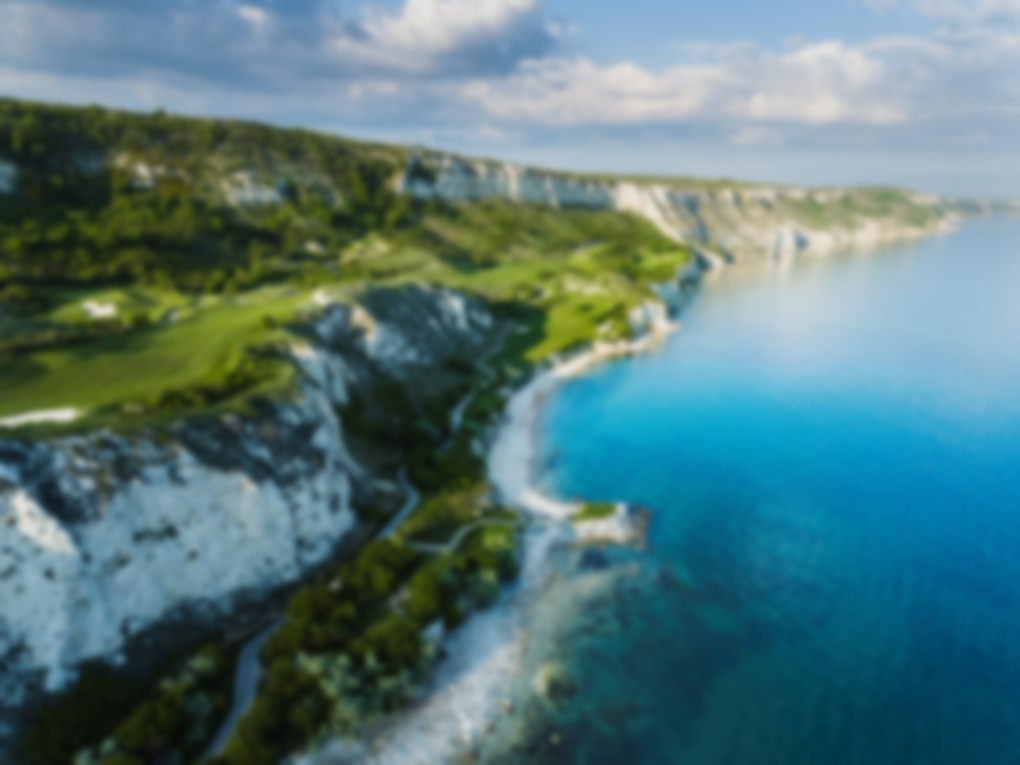
Signature Course, Thracian Cliffs Golf & Beach Resort
Must-play Gary Player courses
- Signature Course, Thracian Cliffs Golf & Beach Resort, in Varna, Bulgaria - Dramatically routed along towering cliffs above the Black Sea, the Signature Course delivers breathtaking ocean views, exposed conditions, and bold shotmaking on every hole.
- Saadiyat Beach Golf Club, in Abu Dhabi - Set along pristine white-sand beaches, Saadiyat Beach combines open fairways, coastal winds, and natural dunes to create a memorable seaside golf experience.
- Gary Player Country Club, in Sun City, South Africa - A prestigious tournament venue and one of Africa’s most recognisable courses, renowned for its immaculate conditioning, challenging layout, and championship pedigree.
Ideal for: Golfers seeking accessible design with global pedigree
Final thoughts
The best golf course architects leave a lasting impression long after the final putt drops. Their courses shape how golf is played, how it feels, and why certain rounds stay with us for years. From historic links and classic heathland layouts to bold modern designs and luxury resort courses, each architect featured here has contributed something unique to the game.

Published 29 December 2025
UK Travel Consultant
Related articles
.jpg?auto=webp&disable=upscale&blur=3&fit=crop&width=700&height=400)



_(Copy).jpg?auto=webp&disable=upscale&blur=3&fit=crop&width=700&height=400)

.jpg?auto=webp&disable=upscale&blur=3&fit=crop&width=700&height=400)





About Golfbreaks
Speciality holiday types
Popular golf destinations


Proudly in partnership with


