'/%3e%3c/svg%3e)
.webp?auto=webp&width=880&height=495&disable=upscale&quality=75&fit=bounds)


.JPG?auto=webp&width=880&height=495&disable=upscale&quality=75&fit=bounds)
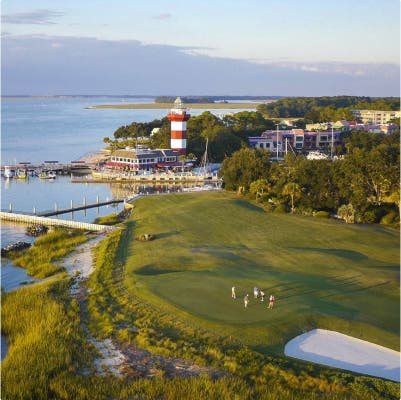
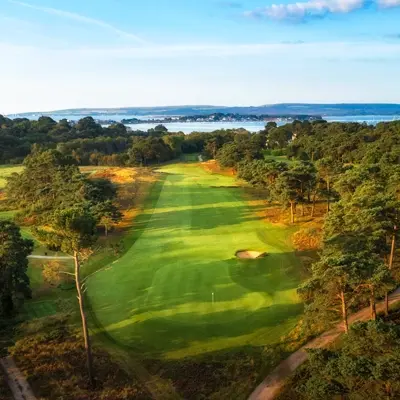









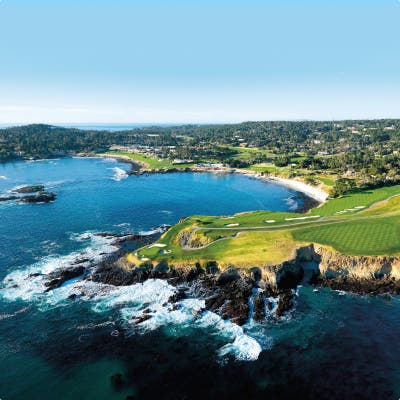
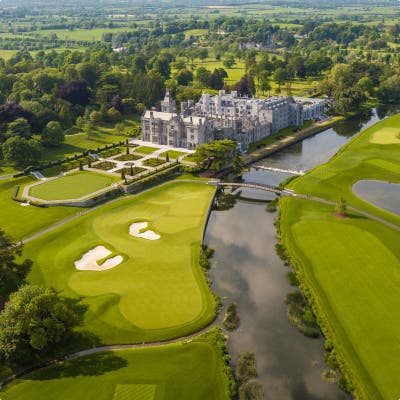







It’s no surprise that the Royal golf courses across the UK & Ireland rank among the finest in the world. With fewer than 70 clubs worldwide holding this prestigious title, the “Royal” designation represents heritage, prestige, and exceptional quality.
Granted by the reigning Monarch, this rare honour is reserved for golf clubs that have demonstrated historical significance, excellence in the game, and a long-standing contribution to their community. Many Royal golf courses feature regularly on The Open Championship rota and are consistently ranked among the top golf courses in the world.
Discover our picks of the best Royal golf courses to experience on your next golf trip, plus a list of all official Royal clubs worldwide, organised by destination.
Everything you need to know about Royal golf courses
What is a Royal golf course?
A Royal golf course is one that has been granted the “Royal” title by a monarch. This distinction recognises the club’s excellence, history, and connection to the royal family.
Key facts about Royal golf courses:
- There are around 64 Royal golf clubs worldwide, most of them located in the United Kingdom and Ireland.
- The first club to receive Royal status was The Royal Perth Golfing Society, granted by King William IV in 1833.
- The British Royal Family has awarded the majority of these titles, but other monarchies, like Spain’s, have granted their own version, known as “Real.”
To qualify, clubs typically demonstrate:
- Long-standing heritage and financial stability
- Exceptional standards of golf and course management
- Contributions to national or charitable causes
How does a golf club become Royal?
While the exact process isn’t publicly documented, a club usually:
- Invites royal patronage – often from a member of the British Royal Family.
- Petitions the Crown – requesting consideration for Royal status.
- Receives official approval – a formal title conferred by the Monarch.
Why play a Royal golf course?
Playing at a Royal club offers a chance to experience:
- Historic championship venues – including Open Championship and Amateur Championship hosts.
- World-class layouts – designed by legends like Old Tom Morris, Harry Colt, and James Braid.
- Impeccable conditioning – with courses maintained to the highest tournament standards.
- Heritage and atmosphere – where centuries of golfing history meet modern excellence.
1. Royal Liverpool Golf Club (England)
Granted Royal status by Queen Victoria in 1871 Location: Hoylake, Wirral | Designer: George Morris & Robert Chambers, redesigned by Harry Colt | Par: 71 | Yards: 7,383 | Opened: 1869
Why play here? Royal Liverpool, known affectionately as Hoylake, is one of the most historic and revered links courses in the world. Steeped in championship pedigree, it has hosted The Open Championship on 13 occasions, most recently in 2023, when Brian Harman claimed the Claret Jug. The course blends traditional links character with a stern strategic challenge, where positioning and precision are far more important than power.
Hoylake’s layout flows across relatively flat coastal terrain, but don’t be fooled, its subtleties and ever-shifting winds make it one of the most demanding Open venues. Deep pot bunkers, firm fairways, and small, well-protected greens require accuracy and imagination on every shot.

Royal Liverpool Golf Club, Liverpool
Course highlight: The par-5 18th, “Royal,” offers a spectacular finish, with out-of-bounds lurking down the right and deep bunkers guarding the fairway. When the grandstands rise for The Open, it becomes one of the most dramatic closing holes in golf.
Key features:
- Thirteen-time host of The Open Championship
- Birthplace of the Amateur Championship (1885)
- Fast-running links with strategic bunkering and subtle elevation changes
- A true test of precision, patience, and shot-making
Bonus fact: When Tiger Woods won The Open at Hoylake in 2006, he famously used his driver just once over four rounds, proving that at Royal Liverpool, brains beat brawn. His surgical control of irons and course management remains one of the most masterful performances in Open history, perfectly encapsulating the essence of Hoylake’s challenge.
2. Royal Belfast Golf Club (Northern Ireland)
Granted Royal status by Queen Victoria in 1885 Location: Craigavad, County Down | Designer: Harry Colt | Par: 70 | Yards: 6,306 | Opened: 1881
Why play here? Royal Belfast Golf Club holds a special place in golfing history as the oldest golf club in Ireland, founded in 1881 and granted its Royal status just four years later by Queen Victoria. Nestled on the shores of Belfast Lough, this elegant parkland course offers a serene and scenic contrast to the rugged links found elsewhere in Northern Ireland. With its mature trees, gentle elevation changes, and stunning water views, it combines natural beauty with timeless design.
The current layout, crafted by Harry Colt in 1925, reflects his signature style with well-placed bunkers, subtle green contours, and a routing that makes the most of the loughside setting. Though not long by modern standards, Royal Belfast rewards accuracy and course management over brute strength, offering a classic and rewarding test for all levels of golfer.
.jpg?auto=webp&disable=upscale&blur=3&fit=bounds)
Royal Belfast Golf Club, Northern Ireland
Course highlight: The par-4 9th hole, played downhill toward Belfast Lough, is the course’s signature moment. A well-struck drive sets up an approach to a green framed by the shimmering water beyond, a hole as picturesque as it is memorable.
Key features:
- Oldest golf club in Ireland, founded in 1881
- Classic Harry Colt design with parkland character and coastal views
- Immaculate conditioning and welcoming, traditional clubhouse
- Conveniently located just minutes from central Belfast
Bonus fact: Royal Belfast’s royal charter makes it one of the earliest clubs in the world to hold such a title. Legend has it that Queen Victoria granted the distinction after a member demonstrated the game to one of her aides during a royal visit to Ireland, sparking her curiosity about the sport.

Royal Dornoch Golf Club, Sutherland
3. Royal Dublin Golf Club (Ireland)
Granted Royal status by Queen Victoria in 1891 Location: Bull Island, Dublin | Designer: Harry Colt, redesigned by Martin Hawtree | Par: 72 | Yards: 7,269 | Opened: 1885
Why play here? Royal Dublin Golf Club is one of Ireland’s most historic and revered clubs, offering a true championship links experience just 15 minutes from the heart of Dublin city. Founded in 1885 and granted Royal status by Queen Victoria in 1891, it stands as Ireland’s second-oldest golf club and a cornerstone of Irish golfing heritage.
Set on the Bull Island Nature Reserve in Dublin Bay, Royal Dublin is a classic out-and-back links, flat, exposed, and shaped by the coastal winds that sweep in from the Irish Sea.
The design, originally laid out by Harry Colt and later refined by Martin Hawtree, is strategic and demanding rather than punishing, rewarding thoughtful play and precise ball striking. Every hole feels purposeful, with Colt’s characteristic bunkering and Hawtree’s subtle green complexes adding to the course’s depth and charm.

Royal Dublin Golf Club, East Ireland
Course highlight: The par-4 16th hole is a standout, it's long, narrow, and lined by dunes, it often plays into the prevailing wind and demands both distance and accuracy. The approach to a raised green framed by deep bunkers is one of the most intimidating shots on the course, and one of the most satisfying to pull off.
Key features:
- Second oldest golf club in Ireland, founded in 1885
- Classic Harry Colt design refined by Martin Hawtree
- Championship pedigree, hosting multiple Irish Opens
- True links layout on the scenic Bull Island, minutes from Dublin city centre
Bonus fact: Royal Dublin was the lifelong home club of Christy O’Connor Sr., one of Ireland’s greatest ever golfers. O’Connor once joked that no golfer had “ever played Bull Island without learning humility”, a sentiment every player soon understands.
4. Royal Portrush Golf Club (Northern Ireland)
Granted Royal status by King Edward VII in 1895 Location: Portrush, County Antrim | Designer: Harry Colt | Par: 71 | Yards: 7,317 | Opened: 1888 (redesigned 1929)
Why play here? Royal Portrush Golf Club is a true golf gem: dramatic, challenging, and breathtakingly beautiful. Set along Northern Ireland’s rugged north coast, it’s the only course outside of mainland Britain to have hosted The Open Championship, a testament to its championship pedigree and timeless design. The famous Dunluce Links, designed by Harry Colt in the 1920s, is widely regarded as one of the greatest links courses in the world.
Sweeping views of the Atlantic Ocean and the towering white cliffs of Portrush provide a stunning backdrop to a layout that tests every aspect of your game. With undulating fairways, deep revetted bunkers, and Colt’s masterful green complexes, every hole offers a thrilling mix of beauty and challenge.
The routing flows naturally through the dunes, culminating in a closing stretch that has produced some of The Open’s most iconic drama, none more so than Shane Lowry’s emotional victory in 2019.
.jpg?auto=webp&disable=upscale&blur=3&fit=bounds)
Royal Portrush Golf Club, Northern Ireland
Course highlight: The par-4 5th hole, “White Rocks”, is one of the most spectacular holes in world golf. Perched high above the cliffs, it demands an accurate approach to a green framed by the Atlantic below and the Skerries islands beyond. It’s a hole that perfectly captures the wild beauty and strategic brilliance of Royal Portrush.
Key features:
- Host venue for The Open Championship in 1951,2019, and 2025
- Harry Colt’s masterpiece combining natural dunes and dramatic elevation changes
- Stunning Atlantic Ocean views throughout the round
Bonus fact: When Royal Portrush was selected to host The Open again in 2019, two new holes (now the 7th and 8th) were created from land previously belonging to the club’s second course, the Valley. These holes were so seamlessly integrated into the layout that many players assumed they’d been part of the course all along
5. Royal St George’s Golf Club (England)
Granted Royal status by King Edward VII in 1902 Location: Sandwich, Kent | Designer: Dr. Laidlaw Purves | Par: 70 | Yards: 7,204 | Opened: 1887
Why play here? Royal St George’s is one of the most historic and revered courses in golf, a true jewel of the English coastline and a regular host of The Open Championship. Founded in 1887 by Dr. Laidlaw Purves, it was designed to rival the great Scottish links of St Andrews, and over a century later, it stands proudly as England’s first and most frequent Open host, having staged the championship 15 times, most recently in 2021 when Collin Morikawa triumphed.
Set among the wild, undulating dunes of Sandwich Bay, Royal St George’s is as natural a links as they come. Its rippling fairways, towering dunes, and unpredictable bounces make every shot an adventure, while the wind off the Channel adds an ever-changing dimension. The course rewards imagination and control, demanding both courage off the tee and finesse around its subtly contoured greens.

Royal St George's Golf Club, Kent
Course highlight: The par-4 4th hole features the deepest bunker in championship golf, known simply as Himalaya. Hidden behind a towering dune, it guards the fairway from the tee, setting up one of the most iconic drives in the sport.
Key features:
- Fifteen-time host of The Open Championship (most recently in 2021)
- First English course to host The Open (1894)
- Wild, natural links with rolling fairways and massive dunes
- Renowned for its challenge, character, and championship pedigree
Bonus fact: During the 1894 Open, the first ever held outside Scotland, the winner, J.H. Taylor, took home a prize of just £30.
6. Royal West Norfolk Golf Club (England)
Granted Royal status by King Edward VII in 1906 Location: Brancaster, Norfolk | Designer: Holcombe Ingleby & Horace Hutchinson | Par: 71 | Yards: 6,457 | Opened: 1892
Why play here? Royal West Norfolk, affectionately known as Brancaster, is a timeless gem that feels unchanged by the modern game. Nestled between the North Sea and the salt marshes of the Norfolk coast, it offers a truly traditional links experience, where nature and the tides are integral to the challenge. In fact, access to the course is tidal; the entrance road floods at high tide, occasionally cutting it off completely, adding to its charm and exclusivity.
The layout itself is as pure a test of seaside golf as you’ll find. The course flows naturally through dunes and marram grass, with firm fairways, fast greens, and ever-present coastal winds. Its narrow fairways and well-placed bunkers reward strategic play and imagination, while the unspoiled surroundings and lack of modern intrusion make it a rare and peaceful experience.
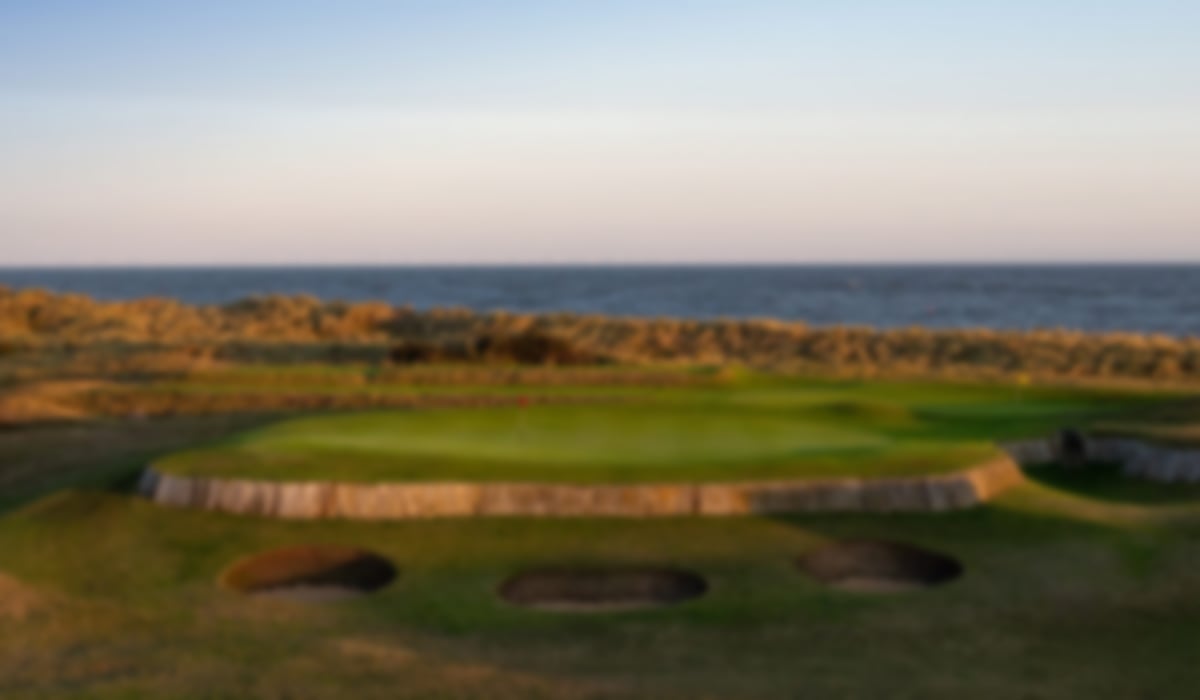
Royal West Norfolk
Course highlight: The par-4 8th hole, running along the sea wall, epitomizes the course’s character. With the beach and tide on one side and marshland on the other, accuracy is paramount. On a windy day, it’s one of the most exhilarating and picturesque holes in England.
Key features:
- Classic out-and-back links bordered by the sea and tidal marshes
- Tidal access adds to the course’s charm and challenge
- Fast-running fairways and traditional links shot-making required
- Peaceful, natural setting offering an authentic golfing escape
Bonus fact: Because of its tidal location, golfers at Royal West Norfolk often have to plan their tee times around the sea, arriving and leaving before the tide floods the entrance road. It’s the only course in the world where the elements might literally decide when you can play.
7. Royal Dornoch Golf Club (Scotland)
Granted Royal status by King Edward VII in 1906 Location: Dornoch, Sutherland | Designer: Old Tom Morris, later refined by Donald Ross & George Duncan | Par: 70 | Yardage: 6,748 | Opened: 1877
Why play here? Royal Dornoch Golf Club is often described as the purest form of links golf in the world, a timeless masterpiece set against the wild beauty of the Scottish Highlands. Perched along the Dornoch Firth, the course feels remote, natural, and utterly enchanting. Every hole flows effortlessly through towering dunes and rolling fairways, framed by gorse and heather, with breathtaking views over the sea.
Designed by Old Tom Morris and later refined by native son Donald Ross, who carried its influence to the United States, Dornoch is the spiritual home of classic links design. The greens are famously domed, precursors to Ross’s trademark style, and demand imagination, creativity, and precision. The routing, with its out-and-back layout and subtle elevation changes, ensures variety and constant engagement.
Course highlight: The par-3 6th, “Whinny Brae,” is one of the most picturesque and demanding short holes in links golf. Played from an elevated tee to a green protected by deep bunkers and steep runoffs, it perfectly captures Dornoch’s beauty and challenge in one breathtaking swing.
Key features:
- Iconic Old Tom Morris design refined by Donald Ross
- Elevated greens, natural dunes, and sweeping sea views
- Timeless, remote setting that embodies the spirit of Scottish links golf
Bonus fact: Donald Ross, who grew up in Dornoch and served as its professional before emigrating to America, based many of his most famous designs, including Pinehurst No. 2, on the principles he learned here. He once said, “The turf of Dornoch is the finest I have ever known.”
8. Royal County Down Golf Club (Northern Ireland)
Granted Royal status by King Edward VII in 1908 Location: Newcastle, County Down | Designer: Old Tom Morris, later refined by George Combe & Harry Colt | Par: 71 | Yards: 7,186 | Opened: 1889
Why play here? Royal County Down is widely regarded as not only one of the finest golf courses in Ireland but one of the greatest courses in the world. Nestled at the foot of the majestic Mourne Mountains and set along the stunning shores of Dundrum Bay, it offers a landscape and atmosphere unlike any other in golf.
The combination of raw natural beauty and timeless design has made it a perennial fixture at the top of global course rankings. Designed originally by Old Tom Morris and later enhanced by Harry Colt, the course is renowned for its strategic bunkering, blind tee shots, and rolling, heather-lined fairways that demand both accuracy and imagination.
Every hole is distinct, and the ever-changing coastal winds ensure no two rounds ever feel the same. It’s a true thinking golfer’s course, one that challenges your game and captivates your senses from the first tee to the last green.
.jpg?auto=webp&disable=upscale&blur=3&fit=bounds)
Royal County Down Golf Club, Northern Ireland
Course highlight: The par-4 9th hole is one of the most photographed in golf. From its elevated tee, players are treated to a breathtaking view across the dunes to the Slieve Donard Hotel and the Mourne Mountains beyond. The drive must thread between heather-covered mounds to a hidden fairway.
Key features:
- Consistently ranked among the top golf courses in the world
- Iconic links setting framed by the Mourne Mountains and Dundrum Bay
- Demanding layout featuring blind drives and strategic bunkering
- Host of major amateur and professional championships
Bonus fact: Royal County Down’s original designer, Old Tom Morris, was paid just four guineas (about £4.20 at the time) for laying out what would become one of the most celebrated courses in golf history, a small fee for a masterpiece that continues to awe golfers more than 130 years later.
9. Royal Porthcawl Golf Club (Wales)
Granted Royal status by King Edward VII in 1909 Location: Porthcawl, Bridgend | Designer: Charles Gibson, later refined by Harry Colt & Tom Simpson | Par: 72 | Yards: 7,065 | Opened: 1891
Why play here? Royal Porthcawl stands proudly as one of the finest links in the UK. Perched dramatically on the South Wales coast overlooking the Bristol Channel, it delivers everything that defines great links golf, rolling fairways, pot bunkers, ever-changing winds, and sweeping sea views from nearly every hole. Its natural terrain and strategic design make it both beautiful and brutally fair, testing every club in the bag and every ounce of concentration.
The course has hosted numerous major events, including The Amateur Championship, The Walker Cup, and multiple Senior Open Championships, drawing praise from the world’s best players for its immaculate presentation and pure links character. Unlike many seaside courses, Royal Porthcawl starts and finishes right beside the sea, ensuring the ocean is always a presence, both visually and strategically, throughout the round.
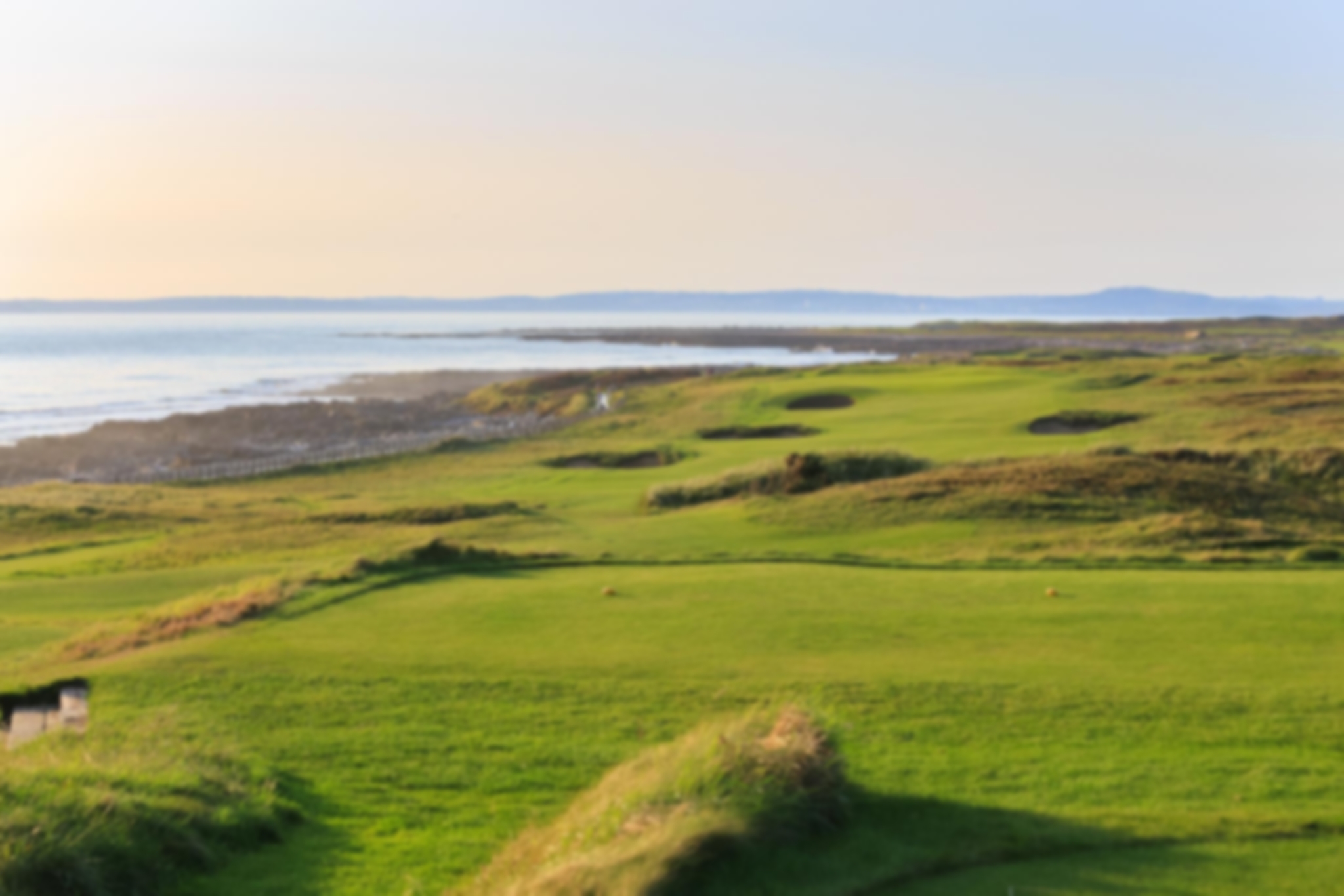
Royal Porthcawl Golf Club, Swansea
Course highlight: The par-4 5th hole is one of the most iconic in Wales. Hugging the coastline, it offers a stunning view across the Channel but demands precision off the tee to avoid the dunes and thick rough. The approach, played toward the sea, epitomises the thrill and beauty of links golf at its purest.
Key features:
- Host of major international events including The Walker Cup and Senior Open
- Traditional links design with panoramic sea views from every hole
- Exceptional conditioning and strategic shot values year-round
Bonus fact: When Royal Porthcawl hosted The 2014 Senior Open Championship, Bernhard Langer’s winning score of −18 was 13 shots clear of second place, a record-breaking margin that stunned spectators. His performance prompted golf writers to call it “the most dominant links display since Tiger at St Andrews,” cementing Royal Porthcawl’s status as a true championship venue.
10. Royal Cinque Ports Golf Club (England)
Granted Royal status by King Edward VII in 1910 Location: Deal, Kent | Designer: Henry Hunter, redesigned by James Braid & Guy Campbell | Par: 71 | Yards: 7,249 | Opened: 1892
Why play here? Royal Cinque Ports is one of England’s purest and most authentic links experiences. Set along the windswept Kent coastline, just a few miles from Royal St George’s, it embodies everything that makes traditional links golf so compelling: firm, fast-running fairways, deep revetted bunkers, and ever-changing coastal winds that demand creativity and precision.
A two-time host of The Open Championship (1909 and 1920), Royal Cinque Ports remains a championship-calibre course that continues to challenge the world’s best through events like The Amateur Championship and Final Qualifying for The Open. Its out-and-back routing provides a thrilling variety of holes, with the return stretch along the sea often playing directly into the prevailing wind, a true test of nerve and skill.

Royal Cinque Ports Golf Club, Kent
Course highlight: The closing stretch from 16 through 18 is regarded as one of the toughest finishes in links golf. The par-4 16th, in particular, demands a perfectly struck approach to a raised green perched against the coastline, an exhilarating challenge when the wind is up.
Key features:
- Two-time Open Championship host venue
- Classic out-and-back links design with dramatic coastal views
- Firm, fast fairways and deep bunkering demanding accuracy
- Regular host of elite amateur and Open Qualifying events
Bonus fact: Despite its championship pedigree, Royal Cinque Ports offers a warm and traditional club atmosphere, and its links remain refreshingly unspoiled, making it one of England’s best-kept secrets for visiting golfers seeking an authentic coastal challenge.
11. Royal St David’s Golf Club (Wales)
Granted Royal status by King Edward VIII in 1923 Location: Harlech, Gwynedd | Designer: Harold Finch-Hatton & William Henry More | Par: 69 | Yards: 6,629 | Opened: 1894
Why play here? Royal St David’s, often referred to as Harlech, is one of Wales’ best golf courses and one of the purest championship links in the British Isles. Set beneath the imposing shadow of Harlech Castle and framed by the Snowdonia mountains and Cardigan Bay, it offers a breathtakingly scenic yet stern test of traditional links golf.
The course’s reputation as one of the toughest par-69 layouts in the world is well-earned. The front nine unfolds gently across flatter terrain, lulling golfers into a false sense of comfort before the back nine ventures deep into the dunes, where the holes grow longer, tighter, and more dramatic. Small, well-defended greens and ever-present coastal winds ensure accuracy and strategy are rewarded far more than raw power.

Royal St David's Golf Club, North Wales
Course highlight: The par-4 15th is a standout, an elevated tee shot with Harlech Castle looming in the background, followed by a demanding approach into a narrow green protected by dunes and bunkers. It’s as picturesque as it is punishing, embodying the spirit of this magnificent links.
Key features:
- One of the most scenic and challenging links courses in the UK
- Dramatic setting beneath UNESCO-listed Harlech Castle
- Championship pedigree with a strong amateur tournament history
- True test of links golf requiring accuracy, touch, and patience
Bonus fact: Royal St David’s was a favourite of Harold Finch-Hatton, a co-founder of the club and cousin to the 7th Earl of Winchilsea, who helped design it after learning the game at St Andrews. His passion for authentic Scottish-style links golf inspired the creation of what many call “the St Andrews of Wales.”
12. Royal Lytham & St Annes Golf Club (England)
Granted Royal status by King George V in 1926 Location: Lytham St Annes, Lancashire | Designer: George Lowe, redesigned by Harry Colt | Par: 70 | Yards: 7,118 | Opened: 1886
Why play here? Royal Lytham & St Annes is one of the best links courses in England; it's rugged, traditional, and unapologetically demanding. Set inland from the coast and framed by red-brick houses, it may lack the sweeping sea views of other Open venues, but it more than makes up for it with its strategic brilliance and sheer toughness.
With over 170 bunkers intricately placed throughout the layout, it’s a course that demands precision, patience, and smart course management from the very first tee shot. Since hosting its first Open Championship in 1926, Royal Lytham has become a stage for some of golf’s most iconic victories.
The list of champions here reads like a hall of fame: Bobby Jones, Peter Thomson, Tony Jacklin, Seve Ballesteros, Ernie Els, and Tom Lehman, to name a few. Its narrow fairways, thick rough, and small, undulating greens combine to test every facet of a player’s game.

Royal Lytham and St Annes Golf Club, Blackpool
Course highlight: The par-4 18th is one of the finest closing holes in links golf. Flanked by bunkers on both sides, it demands a perfect drive and precise approach to a green that sits in the shadow of the historic clubhouse.
Key features:
- Eleven-time host of The Open Championship (most recently in 2012)
- Over 170 strategically placed bunkers for ultimate shot discipline
- Classic Harry Colt redesign emphasising precision and control
- Championship history featuring some of golf’s greatest champions
Bonus fact: During his 1979 Open victory, Seve Ballesteros famously hit his drive into a car park on the 16th hole, then produced a miraculous recovery shot to the green, saving par and sealing his first major title. That audacious moment, forever remembered as “the car park shot,” perfectly captures the daring spirit of both Seve and Royal Lytham & St Annes.
13. Royal Birkdale Golf Club (England)
Granted Royal status by King George VI in 1951 Location: Southport | Designer: George Lowe, redesigned by Fred Hawtree & J.H. Taylor | Par: 70 | Yards: 7,156 | Opened: 1889
Why play here? Royal Birkdale is one of the crown jewels of English golf and a true masterpiece of links design. Set among the towering sand dunes of England’s northwest coast, this legendary course offers a pure, fair, and strategic test that rewards precision over power. Its distinctive routing, where most fairways are nestled between natural dunes, provides both stunning definition and protection from coastal winds.
Host to 10 Open Championships, the Walker Cup, Ryder Cup, and numerous Women’s Open and Senior Open Championships, Royal Birkdale has long been a stage for the game’s greatest moments. From Arnold Palmer’s heroic win in 1961 to Jordan Spieth’s thrilling 2017 triumph, its storied fairways are etched into golfing history.

Royal Birkdale Golf Club, Southport
Course highlight: The par-4 18th is one of golf’s great finishing holes, a long, demanding test that climbs toward the imposing Art Deco clubhouse. With deep bunkers flanking the fairway and green, it’s a fitting finale to one of the most respected links in the world.
Key features:
- Ten-time host of The Open Championship
- Classic links layout set among dramatic natural dunes
- Known for fairness, impeccable conditioning, and strategic beauty
- Iconic Art Deco clubhouse overlooking the final green
Bonus fact: Royal Birkdale is consistently ranked among the top 10 golf courses in the world, and it remains a favourite among Open Championship venues for both players and fans, thanks to its exceptional design and unforgettable atmosphere.
14. Royal Troon Golf Club (Scotland)
Granted Royal status by Queen Elizabeth II in 1978 Location: Troon, Ayrshire | Designer: Willie Fernie, later refined by James Braid & Alister MacKenzie | Par: 71 | Yards: 7,208 | Opened: 1878
Why play here? Royal Troon is one of Scotland’s true championship treasures, a classic links that epitomises everything great about seaside golf. Stretching along the rugged Ayrshire coast, it offers a perfect balance of beauty, history, and challenge. Known for its shifting winds, deep revetted bunkers, and firm, fast-running fairways, Troon rewards precision and punishes even slight mistakes.
A nine-time host of The Open Championship (and set to return in 2024), Royal Troon has witnessed some of golf’s most iconic moments, from Arnold Palmer’s victory in 1962 to Henrik Stenson’s record-breaking duel with Phil Mickelson in 2016, one of the greatest final rounds in major championship history.

Royal Troon Golf Club, South Ayrshire
Course highlight: The par-3 8th, “The Postage Stamp,” is one of the most famous holes in the world. Measuring just 123 yards, its tiny, sloping green is surrounded by deep bunkers, demanding absolute precision. Short or long, left or right, it’s instant trouble.
Key features:
- Nine-time host of The Open Championship
- Traditional out-and-back links layout with dramatic coastal views
- Home to the legendary Postage Stamp par-3
- Perfect blend of strategy, history, and natural beauty
Bonus fact: During the 2016 Open, Henrik Stenson set a new major championship scoring record of 264 (−20), outdueling Phil Mickelson in a legendary head-to-head duel that golf fans still call “The Duel at Troon.” Their extraordinary shootout cemented Royal Troon’s status as one of golf’s greatest championship arenas.
A comprehensive list of Royal Golf Courses
Scotland
- Royal & Ancient Golf Club of St Andrews
- Royal Aberdeen
- Royal Burgess
- Duff House Royal Golf Club
- Royal Dornoch
- Royal Montrose
- Royal Musselburgh
- Royal Perth
- Royal Troon
England
- Royal Ascot
- Royal Ashdown Forest
- Royal Blackheath
- Royal Cinque Ports
- Royal Cromer
- Royal Eastbourne
- Royal Epping Forest
- Royal Liverpool
- Royal Lytham
- Royal Mid Surrey
- Royal North Devon
- Royal Norwich
- Royal St George’s
- Royal West Norfolk
- Royal Wimbledon
- Royal Winchester
- Royal Worlington & Newmarket
Wales
- Royal Porthcawl
- Royal St Davids
Ireland
- Royal Belfast
- Royal Dublin
- Royal County Down
- Royal Portrush
- Royal Curragh
Guernsey (Channel Islands)
- Royal Guernsey
Australia
- Royal Adelaide
- Royal Canberra
- Royal Fremantle
- Royal Hobart
- Royal Melbourne
- Royal Perth (Australia)
- Royal Queensland
- Royal Sydney
New Zealand
- Royal Auckland
- Royal Wellington
Canada
- Royal Colwood
- Royal Mayfair Golf & Country Club
- Royal Montreal
- Royal Ottawa
- Royal Quebec
- Royal Regina
South Africa
- Royal Cape
- Royal Durban
- Royal Johannesburg
- Royal Port Alfred
As well as:
- Royal Calcutta (India)
- Royal Colombo (Sri Lanka)
- Royal Selangor (Malaysia)
- Royal Nairobi (Kenya)
- Royal Harare (Zimbabwe)
- Royal Malta (Malta)
- Royal Homburger (Germany)
- Royal Mariánské Lázně (Czech Republic)
Some Royal Golf Course FAQs
Q: How many Royal golf courses are there? A: There are around 64 officially recognised Royal golf clubs worldwide, with the majority located in the United Kingdom and Ireland. Others can be found in countries such as Canada, Australia, India, and South Africa.
Q: Which was the first golf club to receive Royal status? A: The first club to be granted Royal status was The Royal Perth Golfing Society in Scotland, which received the honour from King William IV in 1833.
Q: Which Royal golf courses host The Open Championship? A: Several Royal clubs have hosted The Open, including Royal St George’s, Royal Liverpool, Royal Troon, Royal Birkdale, and Royal Lytham & St Annes. These iconic venues are considered among the greatest tests in championship golf.
Q: Are all golf courses with ‘Royal’ in the name officially Royal? A: No. Only clubs that have received formal recognition from a monarch can use the title legitimately. Some clubs include “Royal” in their name informally, but they are not officially recognised by the Crown.
Q: What’s the difference between ‘Royal’ and ‘Real’ golf courses? A: In Spain and some other monarchies, the royal title is expressed as “Real” (Spanish for Royal). Examples include Real Club Valderrama and Real Club de Golf Sotogrande, both recognised by the Spanish royal family.
Q: Which Royal golf courses are best for visitors to play? A: Some of the most popular and accessible include Royal Dornoch (Scotland), Royal County Down (Northern Ireland), Royal Birkdale (England), and Royal Porthcawl (Wales). These courses combine championship pedigree with breathtaking scenery and warm hospitality.
Final thoughts
Playing a Royal golf course isn’t just about ticking a name off your bucket list, it’s about experiencing the very heart of the game. These clubs represent over a century of golfing tradition, architectural brilliance, and championship pedigree. From the windswept dunes of Royal County Down to the timeless links of Royal St George’s, every Royal course tells a story shaped by history, nature, and the game’s greatest moments.
Updated 29 October 2025
Head of UK & Ireland Sales
Related articles

.jpg?auto=webp&disable=upscale&blur=3&fit=crop&width=700&height=400)





About Golfbreaks
Speciality holiday types
Popular golf destinations
Proudly in partnership with