
.webp?auto=webp&width=880&height=495&disable=upscale&quality=75&fit=bounds)


.JPG?auto=webp&width=880&height=495&disable=upscale&quality=75&fit=bounds)






















For golf enthusiasts, there is nothing quite like turning up to a golf club and immediately getting a sense of history. Making your way to the course early, learning about the club’s traditions and geeking out over old photos is just part of the experience, and that’s even before you’ve stepped foot on the course.
From Old Tom Morris designs in Scotland to early layouts down south, our team of Golf Travel Experts have explored the oldest golf courses in the world and are able to break down exactly how to plan a trip around them.
1. Old Course, St Andrews
Opened in: 1552 | Designed by: Old Tom Morris (evolved) | Par: 72 | Yards: 7,313 | Region: St Andrews
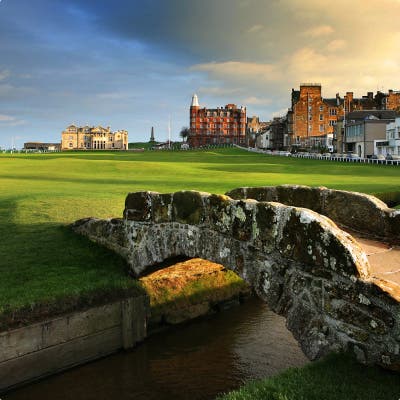
Let’s be honest, we weren’t going to start anywhere else! The Old Course is known the world-over as the ultimate golfing pilgrimage. Old Tom Morris designed the course to have some unique characteristics you rarely find anywhere else such as the widest opening and closing fairway in golf, double-greens, challenging slopes, fairways faster than many regular golf club’s greens and deep bunkers.
Golf has been played on this hallowed turf for almost 500 years, with The Open contested here every four years it really is one of golfs greatest experiences.
Old Course, St Andrews Links
The town of St Andrews is a golfing destination unlike any other, with several of the pubs in town having dedicated golf bag storage facilities – perfect for that post-round pint! Away from the ‘Auld Lady’, six other layouts belong to the St Andrews Links Trust,
Signature hole: There is no looking past the iconic 'road hole'. The par-4 17th requires a tee shot over a hotel before an approach shot demanding superb accuracy.
Travel tip: With more than 25 additional courses in close proximity. If you’re looking for something a little more modern on your next trip to the Home of Golf, check out the New Course… built in 1895.
2. Montrose Golf Links
Opened in: 1562 | Designed by: Evolved links | Par: 71 | Yards: 6,580 | Region: Dundee & Perth
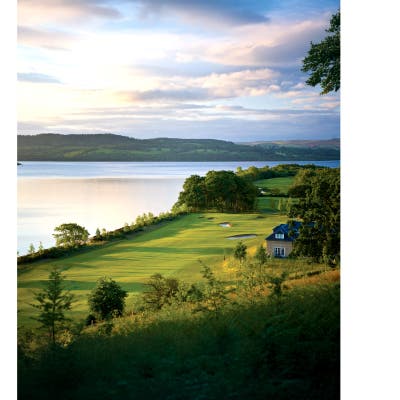
Nestled along Montrose Bay to shield the town from coastal weather, Montrose Golf Links dates back to 1562. Being the second oldest course on this list the club hosts two unique experiences - the esteemed 1562 Course and the scenic Broomfield Course.
Montrose Golf Links
The 1562 Course is famed for hosting prestigious events and Open Championship qualifiers, attracting golfers worldwide. With its breathtaking coastal views and rich history, this course is a must-visit for any golf enthusiast.
Signature hole: Short in length, however so much to cause concern at the par-5 6th. Three fairway bunkers must be avoided before the fairway gently moves slightly down towards the green. Your approach here then threads between four bunkers to a big green that slopes from back to front giving you a good chance to get close in three.
Travel tip: Try to tee off as early as possible to avoid the high afternoon winds and give yourself more favourable conditions.
3. Kingsbarns Golf Links
Opened in: 1793 (modern course 2000) | Designed by: Kyle Phillips | Par: 72 | Yards: 7,224 | Region: St Andrews
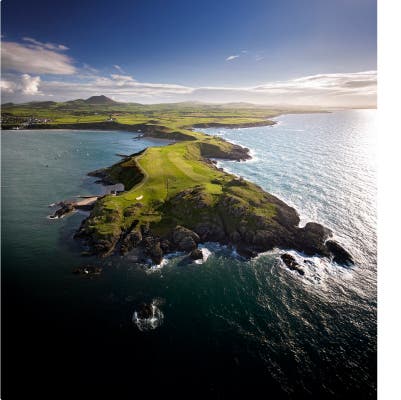
Nestled along the coast near St Andrews, Kingsbarns treats golfers to panoramic views of the North Sea and boasts a rich history dating back to 1793. After 3 years of development, a new modern layout emerged in 2000. Designed by Kyle Phillips the new course is a par 72 spanning 7,224 yards and is the modern layout we all enjoy today.

Kingsbarns Golf Links
Consistently ranked among the world's Top 100 Courses according to Top 100 Courses, the course is a beautiful example of links golf at its best and is characterised by its perfect incorporation of all the features you would think to find on a links golf course: high winds, pot bunkers, long rough, undulating fairways, tight greens, and incredible coastal views.
Signature hole: Enjoy the stunning par-5 12th, hugging the North Sea it offers not just a fantastic test to all golfers but views that will remain with you long past the round.
Travel tip: Tee times for Kingsbarns are high in demand so we always recommend booking as early as possible.
4. Scotscraig Golf Club
Opened in: 1817 | Designed by: Old Tom Morris | Par: 71 | Yards: 6,669 | Region: St Andrews
Located in St Andrfews, Scotscraig Golf Club's journey from its humble beginnings to its current status as a renowned links course is a testament to its evolution. Established in 1817, it ranks as the 13th oldest course globally, blending a coastal charm with heathland features. Spanning 6,669 yards with a par of 71, its layout presents a captivating challenge.
.jpg?auto=webp&disable=upscale&blur=3&fit=bounds)
Scotscraig Golf Club
Since 1984, Scotscraig has been a prestigious venue for the Final Open qualifying during St Andrews' Open tournaments. Legends of the game, such as Ian Baker-Finch and Duffy Waldorf, have graced its fairways, leaving behind tales of memorable golfing experiences.
Signature hole: A short and strategic hole, the par-4 7th personifies the design, requiring much more accuracy than distance.
Travel tip: Scotsdale offers some fantastic value compared to some nearby St Andrews course, use it as the ideal spot for a warm up round at the beginning of your tour.
5. North Berwick West Links
Opened in: 1832 | Designed by: Children & Davie Strath (later Ben Sayers) | Par: 71 | Yards: 6,642 | Region: East Lothian
Established in 1832, the West Links Golf Course at North Berwick Golf Links is a historic gem among the world's oldest golfing destinations. From novices to seasoned pros, navigating this course is no easy feat. With its unforgiving rough, deep bunkers, and various other obstacles, success demands precision and nerves of steel.

North Berwick West Links
Despite the challenges, the course's array of superb holes makes it a beloved choice for amateurs and professionals alike. It's no wonder that many of the world's top golfers choose to hone their skills here, especially in preparation for The Open Championship.
Signature hole: The famous par-4 13th where the green sits behind an cobble wall will be the most memorable hole from a truly unique point of view.
Travel tip: Consider staying in Edinburgh if you want a good nightlife option for your stay it just under an hour away from the course.
6. Carnoustie Golf Links
Opened in: 1834 | Designed by: Allan Robertson (later Old Tom Morris & James Braid) | Par: 72 | Yards: 7,421 | Region: Dundee & Perth
Established in 1834, Carnoustie Golf Club stands among the world's oldest, initially offering a 10-hole course designed by Allan Robertson. Expanded to 18 holes by Old Tom Morris in 1867, it laid the groundwork for the revered Championship Course. James Braid's 1926 upgrades further elevated its status, leading to its hosting of the Open Championship in 1931, won by Tommy Armour.

Carnoustie Golf Links
Today, Carnoustie Golf Links features three courses, including the Burnside, Buddon and the renowned Championship Course. Nicknamed 'Carnasty' because of its formidable challenges and unforgettable moments, such as Jean van de Velde's infamous collapse in the 1999 Open.
Signature hole: One of the toughest closing holes in Scotland, the 18th is truly iconic. The Barry Burn crosses right in front of the green and it poses a huge obstacle for the second shot.
Travel tip: As with many of the courses on this list, there are so many top courses nearby, make sure to stay locally to get as much quality golf in on your trip as possible.
7. Prestwick Golf Club
Opened in: 1851 | Designed by: Old Tom Morris | Par: 71 | Yards: 6,908 | Region: Ayrshire
It’s fair to say that if your club hosted the very first Open, it’s likely to have been around for a while. Prestwick welcomed the world’s best 24 times between 1860 and 1925, and is still a hotbed for golfers looking to play every course which has hosted the game’s oldest Major. Another typical Old Tom Morris design with plenty of quirks.
Prestwick Golf Club
Conveniently then, the course is situated on Scotland’s West Coast, and just a short journey from both Royal Troon and Turnberry. Old Tom Morris famously was the 'Keeper of the Green' at Prestwick from 1851-1864, following a fall out with his former boss and mentor Allan Robertson at his previous base in St Andrews. Old Tom designed the initial 12-hole layout at Prestwick, before going on to lift the Claret Jug on four occasions, although he finished runner up in the first Championship to Willie Park Jr.
Signature hole: The 3rd hole typifies the design, a shortish par-5 by modern day standards, the sharp dog leg right offers the chance for players to go for it in two, however with an undulating fairway before the green any shot left short is left in the 'lap of the gods'.
Travel tip: As mentioned there are so many of Scotland's best courses so near, make use of that and create a tour of a lifetime!
8. Royal North Devon
Opened in: 1864 | Designed by: Old Tom Morris | Par: 72 | Yards: 6,627 | Region: Devon
Old Tom’s input wasn’t restricted to Scotland, and in 1864 he headed to Royal North Devon (often known as Westward Ho!), helping to create the oldest golf course in England. One of the most natural and rugged layouts in our portfolio, Royal North Devon provides an incredible backdrop for the sport, with its original fairways still in use today.
Royal North Devon Golf Club
Our golfers love the secluded nature of the course, heading away for a few days with golf truly at the heart of the trip. The course has a particular dedication to sustainability, becoming one of the first to ban the use of plastic tees and limiting its use of some of the lesser-environmentally-friendly greenkeeping techniques.
Signature hole: The 9th hole offers fantastic views over the course and is one of the most memorable holes of your round. Avoid taking too much off of the dog-leg as your ball will trickle into well placed fescue.
Travel tip: Expect year-round firm conditions and wind, pack multiple layers as the weather can flip very quickly!
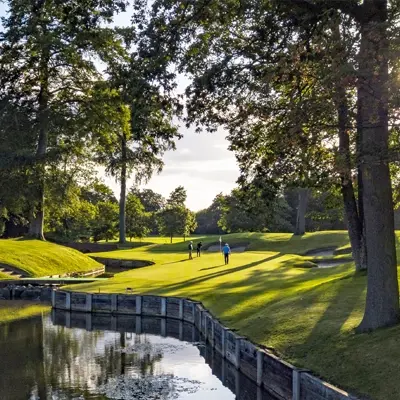
Royal St George’s, Kent
Opened in: 1887 | Designed by: Dr William Laidlaw Purves | Par: 70 | Yards: 7,211 | Region: Kent
Following the success of The Open in Scotland, the tournament ventured south to Royal St. Georges for the first time in 1894. The course in Sandwich was first laid out by local surgeon, Dr William Laidlaw Purves, and has grown over the last century into one of the finest courses on the planet.

Royal St George's Golf Club
Constantly ranked within the Top 10 courses in the UK, and Top 100 in the World, the course has accumulated an incredible history – including playing host to one of the most prestigious Amateur tournaments in the world, the Grand Challenge Cup, won in 1959 by a young Jack Nicklaus.
Nowadays, Golfbreaks guests often tie a trip to this corner of the Kent coast in with a visit to Royal Cinque Ports and Prince’s, with The Lodges at Prince’s being a popular base in the area.
Signature hole: Although there are a host of signature holes, the 4th take the spot for us. The blind tee shot taken over a tall natural bunker will stick with you for a long time.
Travel tip: Base yourself at Prince’s or in Sandwich for a trio trip including Royal Cinque Ports.
FAQs for playing some of the worlds oldest golf courses
Q: Do I need a handicap certificate to play them? A: Most traditional links courses (like St Andrews, Royal St George’s, and Carnoustie) require an official handicap certificate, though this can vary depending on the course, it is always best to check before travelling.
Q: How far in advance do i need to book a tee time for these courses? A: For high-demand courses such as St Andrews Old Course or Kingsbarns, you should book several months to a year in advance. Others like Montrose or Scotscraig are more accessible but still benefit from early booking in peak season.
Q: Are caddies available, and should I take one? A: Yes, many of these courses offer caddies. While optional, they’re recommended as they can add to the experience, especially on links layouts with blind shots and tricky greens (e.g. Prestwick or North Berwick).
Q: Are these courses walkable? A: yes, that is the beauty of most of these courses they are designed to be walked. Buggies are available on a small number of them mainly only for medical reasons.

Published 16 April 2024
UK Travel Consultant
Related articles

.jpg?auto=webp&disable=upscale&blur=3&fit=crop&width=700&height=400)
.jpg?auto=webp&disable=upscale&blur=3&fit=crop&width=700&height=400)



.jpg?auto=webp&disable=upscale&blur=3&fit=crop&width=700&height=400)



About Golfbreaks
Speciality holiday types
Popular golf destinations


Proudly in partnership with


