
.webp?auto=webp&width=880&height=495&disable=upscale&quality=75&fit=bounds)


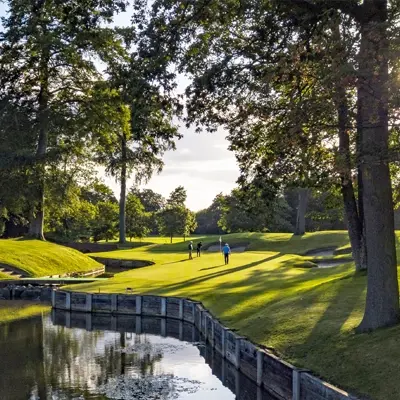
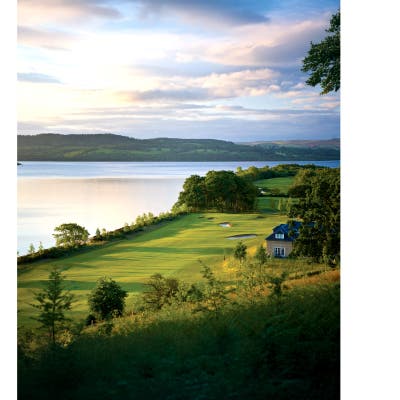
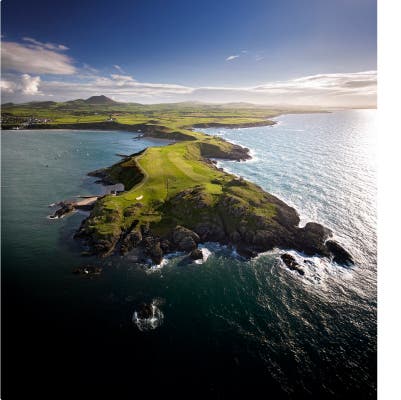
.JPG?auto=webp&width=880&height=495&disable=upscale&quality=75&fit=bounds)


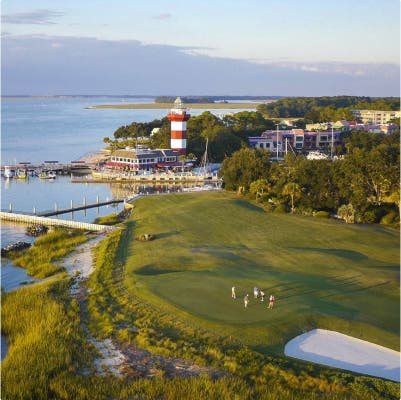


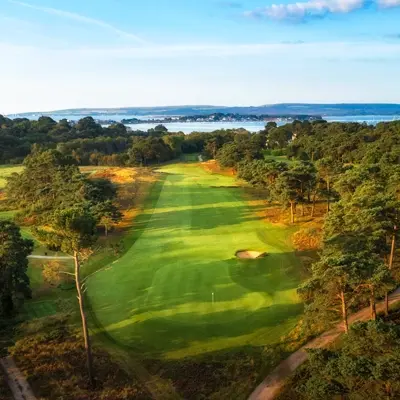










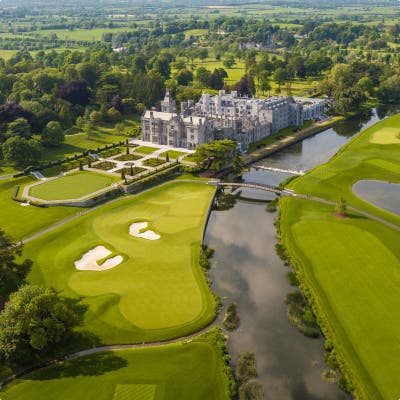








.jpg?auto=webp&disable=upscale&blur=3&fit=bounds&width=1000)
Not all golf courses are created equal. From windswept links courses on the British coastline to immaculate desert layouts in the American Southwest, the style of course you play can completely change the experience and the way you approach your round.
But what actually makes a course a links, heathland or parkland? And where do terms like championship and resort course fit in? While some course types are defined by their landscape, terrain and playing characteristics, others are less official classifications and instead describe a course's purpose, setting or reputation.
In this guide, we break down six of the most commonly used golf course types and terms, what each one means, where you're most likely to find them, and some of our favourite examples you can play on a golf holiday.
Golf course types at a glance
1. Links courses
Golf in its most traditional form, shaped by the coast, the wind and the land Typically found: UK & Ireland | Terrain: Coastal, sandy & undulating | Conditions: Firm & fast | Key challenge: Wind, weather & unpredictable bounces
Famous for: Pot bunkers, dunes, thick rough, rolling fairways and few trees Best suited to: Creative golfers, those who enjoy course management & players who embrace the elements
What is a links golf course?
Links golf is the oldest and most traditional form of the game, originating on the sandy coastal land of Scotland. True links courses are built close to the sea on naturally sandy terrain, resulting in firm fairways, undulating landscapes and conditions that can change dramatically with the weather.
That sandy soil also provides excellent drainage, helping links courses remain playable during wetter periods and making them particularly well suited to winter golf. For golfers happy to embrace the wind and weather, a links break can therefore be a great option outside the traditional golf season.
Rather than relying on water hazards and trees for defence, links courses use natural contours, deep bunkers, thick rough and, perhaps most importantly, the wind. The result is a style of golf where creativity and course management can be just as important as distance.
What defines a links course?
- Coastal location and sandy soil
- Firm, fast-running fairways
- Natural dunes and undulating terrain
- Deep pot bunkers and thick rough
- Wind and changing weather play a major role in course difficulty
- Often well suited to winter golf thanks to naturally good drainage
Links golf highlight: Few experiences compare to standing on a coastal tee with the wind blowing, dunes surrounding the fairway and the sea in the distance. If you're used to manicured inland courses, links golf can feel like an entirely different game.
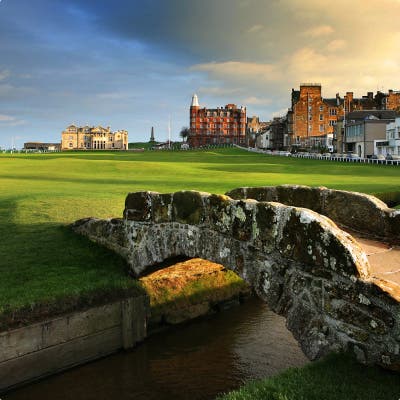
Old Course at St Andrews
Some of our favourites:
- The Old Course, St Andrews, Scotland - The Home of Golf and perhaps the world's most famous links, ranked the No. 7 golf course in the world by Top 100 Golf Courses in 2025.
- Royal County Down, Northern Ireland - A spectacular combination of towering dunes, blind shots and views across the Irish Sea. Its reputation is matched by its No. 3 world ranking from Top 100 Golf Courses.
- Royal Portrush, Northern Ireland - Ranked No. 9 in the world by Top 100 Golf Courses, this Open Championship venue offers a challenging journey through some of Northern Ireland's most dramatic coastal dunes.
- Ballybunion Old Course, Ireland - Ballybunion Old Course, Ireland - Classic Irish links golf with rugged terrain and spectacular Atlantic views, helping it earn the No. 1 spot in Golf Digest's 'The Best Golf Courses in Ireland' in 2025.
Who it suits:
- Golfers who enjoy thinking their way around a course
- Players who like experimenting with different shots
- Anyone looking to experience golf in its most traditional form
- Golfers who don't mind embracing unpredictable conditions
- Golfers looking for courses that can remain playable through the wetter winter months
Our tip for playing links golf: Keep it low. Strong winds can make high shots difficult to control, so get comfortable with punch shots and lower ball flights. Around the greens, don't automatically reach for a wedge either. Firm conditions make the bump-and-run, and even the putter, your friend.
2. Desert courses
Pristine fairways, dramatic landscapes and golf unlike almost anywhere else Typically found: Southwest USA & Middle East | Terrain: Desert, rock & mountains | Conditions: Dry & firm | Key challenge: Accuracy
Famous for: Striking scenery, immaculate fairways, desert waste areas and dramatic elevation changes Best suited to: Accurate ball-strikers & golfers looking for something different
What is a desert golf course?
Desert courses are exactly what their name suggests: golf courses built in arid landscapes, with irrigated fairways and greens creating a striking contrast against the surrounding sand, rock and desert vegetation.
They are particularly associated with destinations such as Nevada, Arizona, Utah and Dubai, where spectacular mountain and desert scenery often forms part of the experience. While conditions tend to be reliably dry, the surrounding desert means accuracy can be crucial.
What defines a desert course?
- Lush playing surfaces surrounded by natural desert
- Rocky landscapes, sand and native vegetation
- Generally dry, sunny playing conditions
- Dramatic mountain and desert views
- A premium on accuracy from the tee
Desert golf highlight: The contrast is what makes desert golf so special. Perfectly maintained green fairways set against rugged mountains, red rocks and vast stretches of desert create some of the most photogenic holes in golf.

Sand Hollow Golf Course
Some of our favourites:
- Wolf Creek Golf Club, Nevada - One of America's most visually spectacular courses, with huge elevation changes and fairways carved through the Nevada desert. Top 100 Golf Courses ranks it No. 5 in Nevada.
- Sand Hollow Golf Course, Utah - Ranked the No. 3 golf course in Utah by Top 100 Golf Courses, this spectacular desert layout features dramatic cliffside holes, red-rock scenery and sweeping views across the surrounding landscape.
- Troon North Golf Club, Arizona - A Scottsdale favourite where immaculate fairways weave through giant boulders, cacti and the Sonoran Desert, ranked No. 24 in Arizona by Top 100 Golf Courses in 2025.
- Emirates Golf Club, Dubai - Ranked No. 4 in Dubai by Top 100 Golf Courses in 2025, Emirates is home to the famous Majlis Course and offers world-class golf in an unmistakable desert setting.
Who it suits:
- Golfers who value spectacular scenery
- Accurate players who can keep the ball in play
- Those looking for reliably warm and dry golf
- Golfers wanting to experience a style of course they may not find at home
Our tip for playing desert golf: Prioritise accuracy over distance. A slightly wayward shot on a parkland course might leave you in the rough, but in the desert it can bring rocks, sand and native vegetation into play. Knowing when to leave the driver in the bag can save plenty of shots.
3. Heathland Courses
Firm conditions, colourful heather and some of Britain's finest inland golf Typically found: England | Terrain: Sandy, undulating & wooded | Conditions: Firm & free-draining | Key challenge: Heather, strategic bunkering & changing conditions
Famous for: Heather, gorse, pine trees, sandy soil and natural-looking layouts Best suited to: Strategic golfers & fans of traditional course design
What is a heathland golf course?
Heathland courses are most closely associated with Britain, particularly the sandy areas of southern England. Although found inland, their free-draining sandy soil can produce the firm and fast conditions more commonly associated with links golf.
The sandy ground also drains particularly well after wet weather, helping many heathland courses remain playable throughout winter when softer parkland layouts can struggle.
Heather, gorse and mature trees help give heathland courses their distinctive appearance, while strategic bunkering and natural undulations place a premium on positioning. Many of Britain's most highly regarded inland courses fall into this category.
What defines a heathland course?
- Sandy, free-draining soil
- Heather and gorse bordering fairways
- Pine, birch and other mature trees
- Firm playing surfaces
- Strategic bunkering and natural contours
- Often well suited to winter golf thanks to excellent natural drainage
Heathland golf highlight: Heathland golf offers many of the strategic qualities associated with links golf but in a completely different environment. Heather-lined fairways, towering pines and firm turf make these courses particularly memorable.
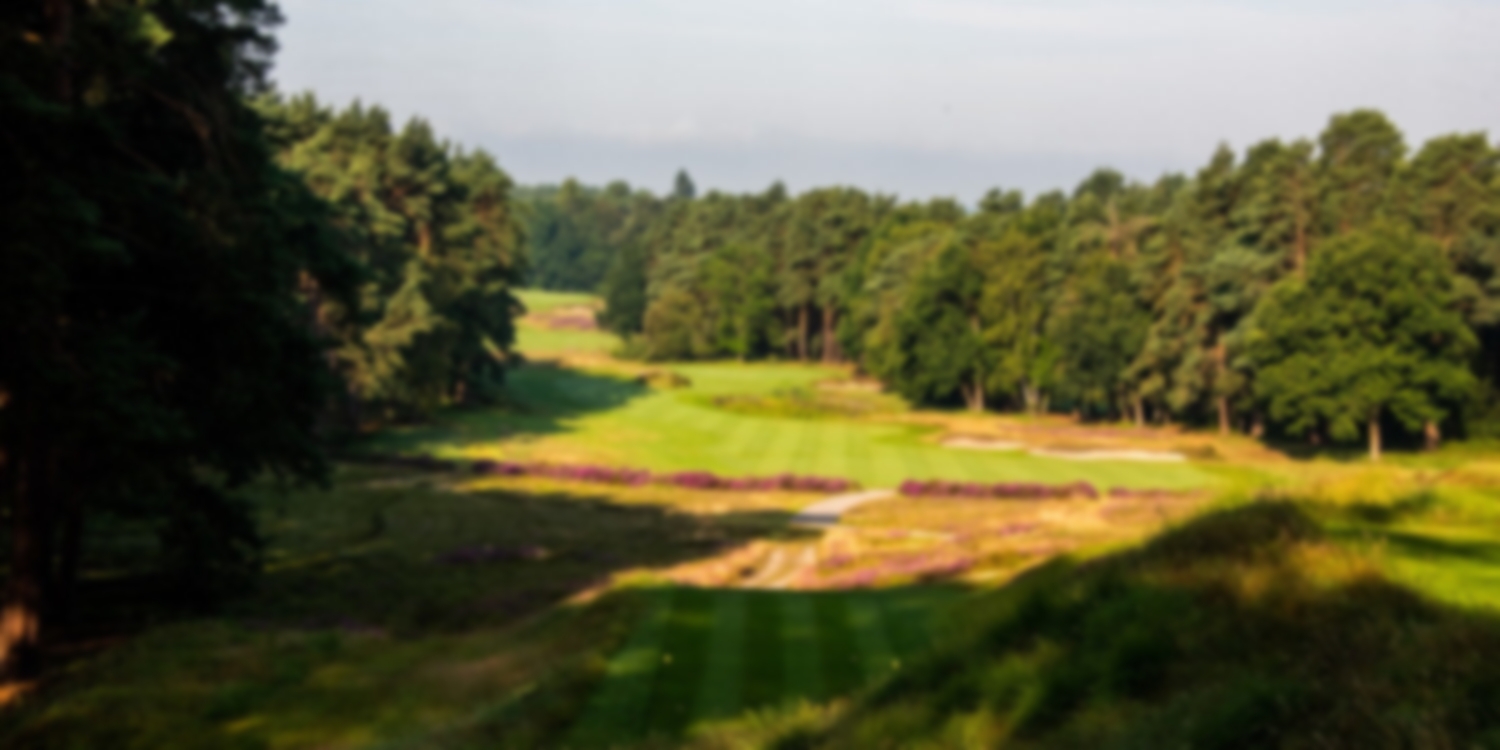
Sunningdale Golf Club
Some of our favourites:
- Sunningdale Golf Club, England - Home to two exceptional courses and one of the most celebrated examples of heathland golf, with its quality reflected in a No. 2 ranking in England from Top 100 Golf Courses.
- Walton Heath Golf Club, England - Ranked the No. 15 golf course in England by Top 100 Golf Courses, this historic Surrey venue is characterised by beautiful heather, strategic bunkering and wonderfully natural terrain.
- Woodhall Spa, England - The Hotchkin Course is renowned for its classic heathland setting and formidable bunkering. Top 100 Golf Courses ranks it No. 13 in England.
Who it suits:
- Golfers who enjoy strategic course management
- Players who appreciate traditional architecture
- Those who enjoy firm, fast conditions without being by the coast
- Golfers who value natural surroundings and understated course design
Our tip for playing heathland golf: Stay out of the heather. It may look picturesque, but it can quickly turn a minor miss into a difficult recovery. Focus on finding the correct side of the fairway rather than chasing maximum distance from every tee.
4. Parkland courses
Tree-lined fairways, lush surroundings and one of golf's most familiar settings Typically found: Worldwide | Terrain: Inland, green & tree-lined | Conditions: Typically softer | Key challenge: Positioning & approach play
Famous for: Mature trees, manicured fairways, water hazards and lush surroundings Best suited to: All abilities & golfers who enjoy a traditional inland layout
What is a parkland golf course?
Parkland is one of the broadest golf course categories and describes the lush inland layouts familiar to golfers around the world. These courses are typically built on richer soils than links and heathland layouts, creating greener and often softer playing conditions.
Mature trees frequently frame the holes, while lakes, streams and carefully positioned bunkers can provide additional challenges. Because the category is so broad, parkland golf can range from relaxed resort courses to some of the world's toughest tournament venues.
What defines a parkland course?
- Inland setting
- Lush, well-maintained fairways
- Mature trees lining many holes
- Softer playing conditions
- Water hazards and strategically positioned bunkers
Parkland golf highlight: There is something wonderfully familiar about a great parkland course. Tree-lined fairways, pristine greens and beautifully maintained surroundings provide the classic golf experience many players know and love.
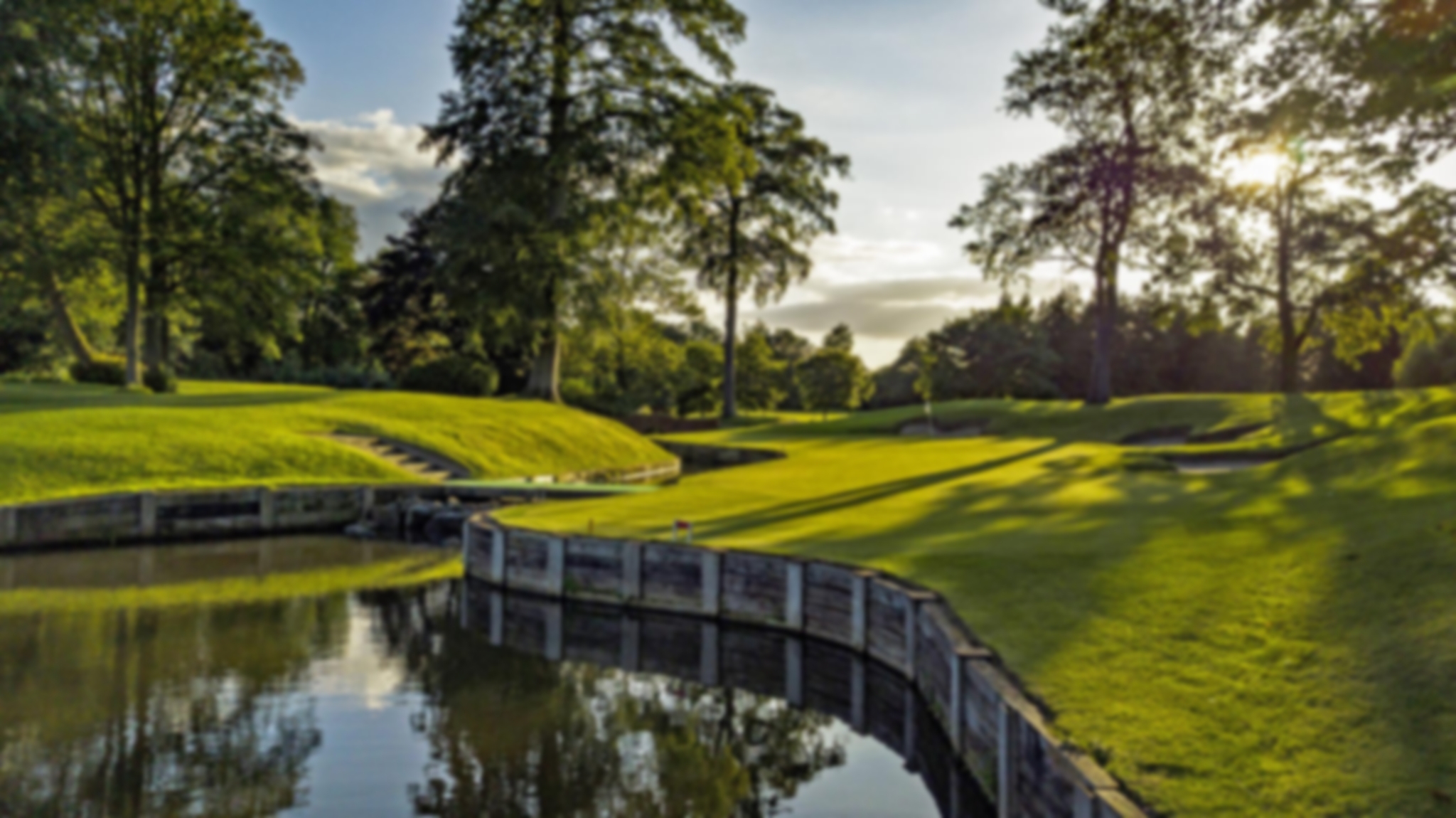
Brabazon Course
Some of our favourites:
- The Brabazon, The Belfry, England - One of Britain's best-known tournament courses and a four-time Ryder Cup host.
- The K Club, Ireland - A picturesque parkland layout alongside the River Liffey that famously hosted the 2006 Ryder Cup.
- The Twenty Ten, Celtic Manor, Wales - Purpose-built for the 2010 Ryder Cup and packed with memorable risk-and-reward holes.
- Bay Hill Club & Lodge, Florida - Arnold Palmer's iconic Orlando course and the long-time home of the PGA TOUR's Arnold Palmer Invitational, featuring tree-lined fairways, strategic water hazards and a demanding layout.
Who it suits:
- Golfers of almost every ability
- Players who prefer softer, more receptive greens
- Golfers who enjoy clearly defined holes
- Those who enjoy traditional inland golf
Our tip for playing parkland golf: Think beyond simply hitting the fairway. Mature trees can block your approach even after a relatively small miss, so consider which side of the fairway gives you the best angle into each green.
5. Championship courses
Big-stage golf designed to challenge the very best Found: Worldwide | Course style: Links, parkland, desert & more | Typical difficulty: Challenging | Key challenge: Course management
Famous for: Professional tournaments, demanding layouts, iconic holes and championship history Best suited to: Golfers looking to test their game & follow in the footsteps of the professionals
What is a championship golf course?
Unlike links, desert, heathland and parkland, "championship" does not describe the landscape on which a golf course is built. Instead, it is a term generally associated with courses capable of hosting high-level professional or amateur tournaments.
There is no single official formula that makes a golf course a championship course. However, these layouts tend to offer sufficient length, challenging hazards, excellent conditioning and facilities capable of accommodating major events. A championship course can therefore fall into another category too. It might be a links beside the sea, a tree-lined parkland layout or even a dramatic desert course.
What defines a championship course?
- A challenging test from the back tees
- High-quality playing surfaces
- Strategic hazards and demanding green complexes
- Often associated with professional or elite amateur events
- Multiple tee options to make the course accessible to different abilities
Championship golf highlight: Playing a championship course gives you the chance to recreate some of golf's most famous moments. Whether you're attacking the 17th at TPC Sawgrass or standing where Ryder Cup history was made at The Belfry, the setting adds another dimension to the round.
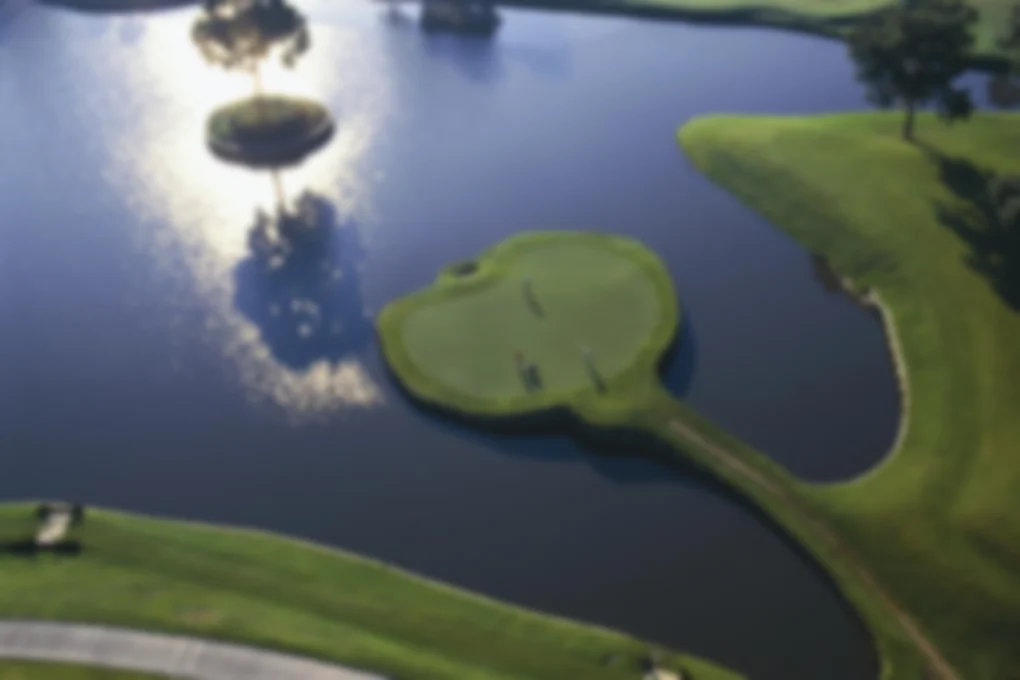
TPC Sawgrass
Some of our favourites:
- The Stadium Course at TPC Sawgrass, Florida - Ranked the No. 2 golf course in Florida by Top 100 Golf Courses, this iconic layout is home to THE PLAYERS Championship and one of the most recognisable tournament courses in world golf.
- Real Club Valderrama, Spain - One of Europe's most celebrated championship courses and host of the 1997 Ryder Cup. Ranked the No. 1 golf course in Spain by Top 100 Golf Courses, it is renowned for its narrow fairways, cork trees and demanding approach shots.
- Le Golf National, France - Host of the 2018 Ryder Cup and a regular venue for the Open de France, with water hazards and risk-and-reward holes creating a formidable championship test. Top 100 Golf Courses ranks it No. 10 in France.
- The Blue Monster at Trump National Doral, Florida - Ranked the No. 35 golf course in Florida by Top 100 Golf Courses, this renowned championship layout has a long history of hosting professional tournaments and is known for its length, water hazards and demanding finishing stretch.
Who it suits:
- Golfers who enjoy testing every part of their game
- Fans who want to play famous tournament venues
- Groups looking for a memorable bucket-list round
- Players who enjoy strategic and challenging golf
Our tip for playing championship golf: Choose the right tees. You don't need to recreate the distances played by the professionals to experience a championship course properly. Pick tees appropriate to your ability and give yourself the chance to enjoy the architecture rather than spending the day hitting long clubs into every green.
6. Resort courses
Great golf with everything you need for the perfect golf getaway close at hand Found: Worldwide | Setting: Golf resorts & holiday destinations | Typical difficulty: Varied | Key feature: Golf, accommodation & amenities in one place
Famous for: Excellent facilities, high-quality conditioning, accessibility and memorable golf trips Best suited to: Golf holidays, groups & players who want convenience alongside great golf
What is a resort golf course?
Like championship golf, "resort course" doesn't refer to one particular style of architecture or terrain. Instead, it generally describes a golf course located within, or closely connected to, a wider resort. Resort courses can therefore take almost any form. You could stay beside a links course overlooking the ocean, play a desert layout in Arizona or tackle a championship parkland course without ever leaving your resort.
What tends to unite them is convenience. Accommodation, restaurants, practice facilities and often multiple golf courses are available in one place, making them particularly well suited to a golf holiday.
What defines a resort course?
- Located within or alongside a resort
- Accommodation and golf conveniently combined
- Excellent practice and clubhouse facilities
- Often designed to accommodate a wide range of abilities
- Frequently found in established golf holiday destinations
Resort golf highlight: Convenience is hard to beat. Being able to finish your round, head straight to the clubhouse and have your hotel, restaurants and other facilities just a short walk or buggy ride away is exactly why resort golf works so well for a golf holiday.
.jpg?auto=webp&disable=upscale&blur=3&fit=bounds)
PGA National
Some of our favourites:
- The Ocean Course at Kiawah Island, South Carolina - Ranked the No. 1 golf course in South Carolina, this spectacular oceanfront layout is a major championship venue and forms part of one of America's great golf resorts.
- Teeth of the Dog at Casa de Campo, Dominican Republic - A bucket-list Caribbean layout with several breathtaking holes directly alongside the sea, often ranked as the No. 1 golf course in the Caribbean.
- PGA National Resort, Florida - A major golf destination offering multiple courses, including the renowned Champion Course, which is ranked No. 65 in Florida.
- Streamsong Resort, Florida - Ranked No. 4 in Florida, Streamsong offers a modern golf escape built around several highly regarded courses, with accommodation and excellent facilities on site.
Who it suits:
- Groups looking for a convenient golf break
- Golfers who want multiple courses in one destination
- Mixed-ability groups
- Those who value off-course facilities as much as the golf itself
Our tip for playing resort golf: Make the most of everything on offer. Arrive early enough to use the practice facilities, find out whether caddies or forecaddies are available and give yourself time to enjoy the clubhouse afterwards. At a great golf resort, the experience goes far beyond the 18 holes.
What other types of golf courses are there?
While links, desert, heathland and parkland are among the terms you'll hear most often, golf courses can be described in plenty of other ways too. These aren't always official classifications, and there can be considerable crossover between them, but they help describe the landscape and character you can expect.
- Moorland courses - Typically found on exposed, elevated terrain, moorland courses are characterised by rolling landscapes, natural grasses, heather and often far-reaching countryside views. Their exposed locations mean wind and changing weather can play a big part in the challenge.
- Woodland courses - As the name suggests, woodland courses are defined by their heavily wooded surroundings. Tree-lined fairways place a premium on accuracy and positioning from the tee, with wayward shots often leaving a difficult route to the green. Many woodland layouts could also be classified as parkland courses.
- Sandhills courses - Built on naturally sandy, often rolling terrain, sandhills courses tend to offer excellent drainage and firm playing surfaces. The sandy landscape can produce dramatic contours, natural bunkering and plenty of variety from hole to hole. The term is particularly associated with regions such as the Sandhills of North Carolina in the US, home to some of America's most celebrated golf courses.
- Downland courses - Most commonly associated with southern England, downland courses are built across rolling chalk hills and open countryside. They tend to drain well, feature significant elevation changes and offer expansive views, with wind often adding to the challenge.
- Clifftop courses - Courses positioned on elevated coastal land above the sea. They can have spectacular ocean views and exposed, windy conditions, but importantly, a clifftop course isn't automatically a true links course.
- Mountain courses - Built in mountainous or high-altitude settings, these courses are known for dramatic elevation changes, spectacular scenery and uneven lies. The thinner air at altitude can also cause the ball to travel further than golfers are used to.
Which type of golf course is right for you?
Ultimately, there is no single "best" type of golf course. Part of the fun of travelling for golf is experiencing how different the game can feel depending on where you play.
For traditionalists and creative shot-makers, links golf is difficult to beat. If you're looking for spectacular scenery and sunshine, a desert course could be the answer, while heathland golf combines firm conditions with some of Britain's most beautiful inland landscapes.
Parkland courses provide the classic tree-lined golf experience, while a championship course gives you the chance to follow in the footsteps of the professionals. And if convenience is a priority, resort courses make it easy to combine great golf with accommodation, dining and everything else you need for a memorable trip.
Of course, these categories aren't mutually exclusive. A course can be both a links and a championship venue, or a desert course located within a luxury resort. That's all part of what makes exploring different golf courses around the world so interesting.

Published 25 August 2026
Golf Travel Expert



About Golfbreaks
Speciality holiday types
Popular golf destinations


Proudly in partnership with


