



















.svg?v=34675)



Where to travel & when
Experience new & exciting destinations throughout the year
When planning a golf trip, when you travel can be just as important as where. Weather, course conditions, demand, and price all change throughout the year. The same destination can deliver completely different experiences depending on the season. Some golfers want to hit the big-name courses when they’re in peak condition, while others are happy to trade that for better value or quieter tee sheets. Either way, having a rough idea of peak, shoulder, and low seasons helps you plan a trip that fits what you’re looking for.
Browse your next golf vacation by month
.jpg?auto=webp&width=150&height=150&disable=upscale&blur=1&fit=bounds)
.jpg?auto=webp&width=150&height=150&disable=upscale&blur=1&fit=bounds)

.jpg?auto=webp&width=150&height=150&disable=upscale&blur=1&fit=bounds)


.jpg?auto=webp&width=150&height=150&disable=upscale&blur=1&fit=bounds)

.jpg?auto=webp&width=150&height=150&disable=upscale&blur=1&fit=bounds)






Peak season: destinations worth the splurge
Some destinations are only truly worth visiting in peak season, when conditions are at their absolute best. Iconic U.S. experiences like Pebble Beach & Monterey are best played from late spring through early fall, when coastal weather is more stable and the courses play as intended.
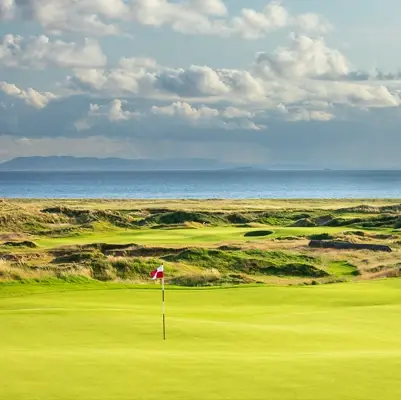
Similarly, Scotland (St Andrews, Ayrshire, Highlands) and Ireland’s southwest and northwest regions come into their own in summer, with longer daylight hours, firmer links conditions, and a far more enjoyable overall experience. In these cases, traveling outside peak season can mean challenging weather, softer course conditions, and a very different style of golf - so if it’s a bucket-list trip, it’s worth timing it right!
.jpg?auto=webp&width=150&height=150&disable=upscale&blur=1&fit=bounds)


Shoulder seasons: the smart sweet spot
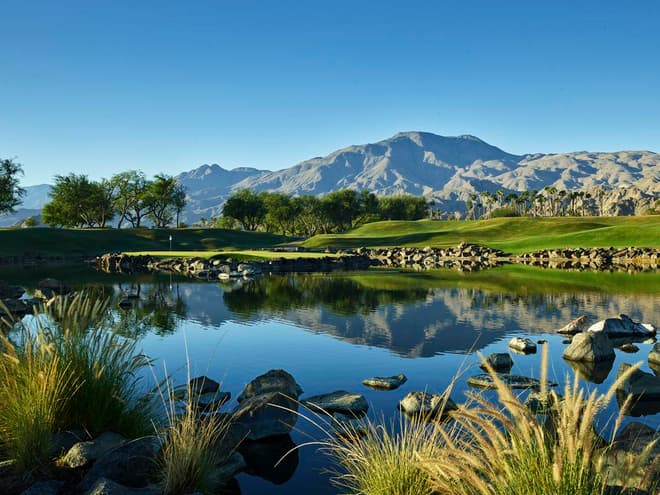
Shoulder season is where you’ll often find the best balance between conditions, value, and availability. Destinations like Scottsdale & Phoenix, Palm Springs, and Las Vegas are ideal in spring and fall, offering perfect playing temperatures without the intensity of peak-season demand.
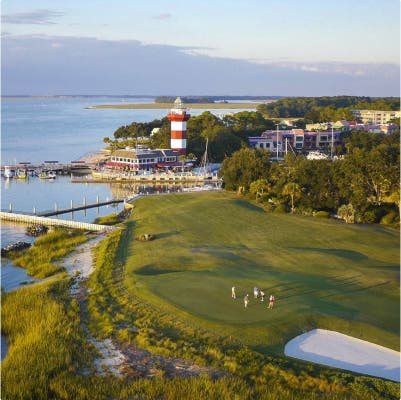
Across the Atlantic, regions like the Algarve in Portugal and Sotogrande in Spain also thrive in shoulder season, with excellent course conditions and more attractive pricing. Even premium U.S. destinations such as Hilton Head Island, Myrtle Beach, and Kiawah Island are particularly enjoyable during these periods, when humidity and peak crowds are lower. For many golfers, this is the sweet spot for planning a trip.



Low season: play more for less
Low season isn’t a one-size-fits-al trip which can require more planning and depends entirely on the destination. In some places, it’s when demand drops due to heat, weather, or timing, which can mean lower prices and better availability.
For example, Scottsdale & Phoenix and Palm Springs are much quieter in the height of summer. While temperatures are higher, golfers who are happy to play early in the morning or later in the day can access top courses at a fraction of peak-season prices. The key is knowing where low season actually benefits you.
.jpg?auto=webp&width=150&height=150&disable=upscale&blur=1&fit=bounds)




.jpg?auto=webp&disable=upscale&blur=3&fit=crop&width=700&height=400)



About Golfbreaks
Speciality golf packages


Proudly in partnership with

