











.svg?v=37389)



Hilton Head Island is one of the most iconic golf destinations in the United States, known for its blend of championship pedigree, scenic Lowcountry landscapes, and resort-driven convenience. From PGA TOUR venues to marsh-framed layouts and coastal designs, the island offers a diverse and highly accessible golf experience.
Whether you're planning a dedicated Hilton Head golf trip or a relaxed coastal getaway, these are the best golf courses in Hilton Head.
1. Harbour Town Golf Links
Location: Sea Pines Resort | Par: 71 | Designer: Pete Dye (Jack Nicklaus) | Opened: 1969 Ranked the no.7 course in South Carolina by Top 100 Golf Courses
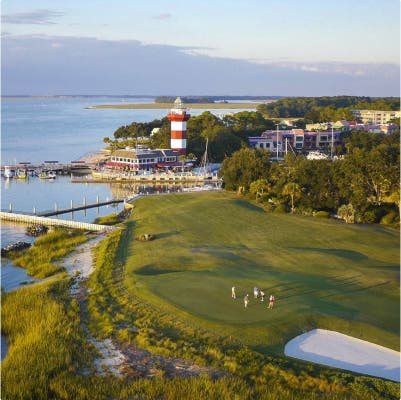
Habour Town is the most famous golf course in Hilton Head, located at Sea Pines Resort, and one of the most strategically demanding layouts in the United States. Designed by Pete Dye with input from Jack Nicklaus, the course rewards precision, positioning, and intelligent course management over distance. Tight, tree-lined fairways and small, well-guarded greens demand accuracy from tee to green, while sharp doglegs force players to carefully consider angles of approach.
As host of the PGA TOUR's RBC Heritage, Harbour Town consistently challenges the world's best despite its modest yardage. The routing transitions from inland corridors to a dramatic coastal finish along Calibogue Sound, creating one of the most memorable closing stretches in golf.
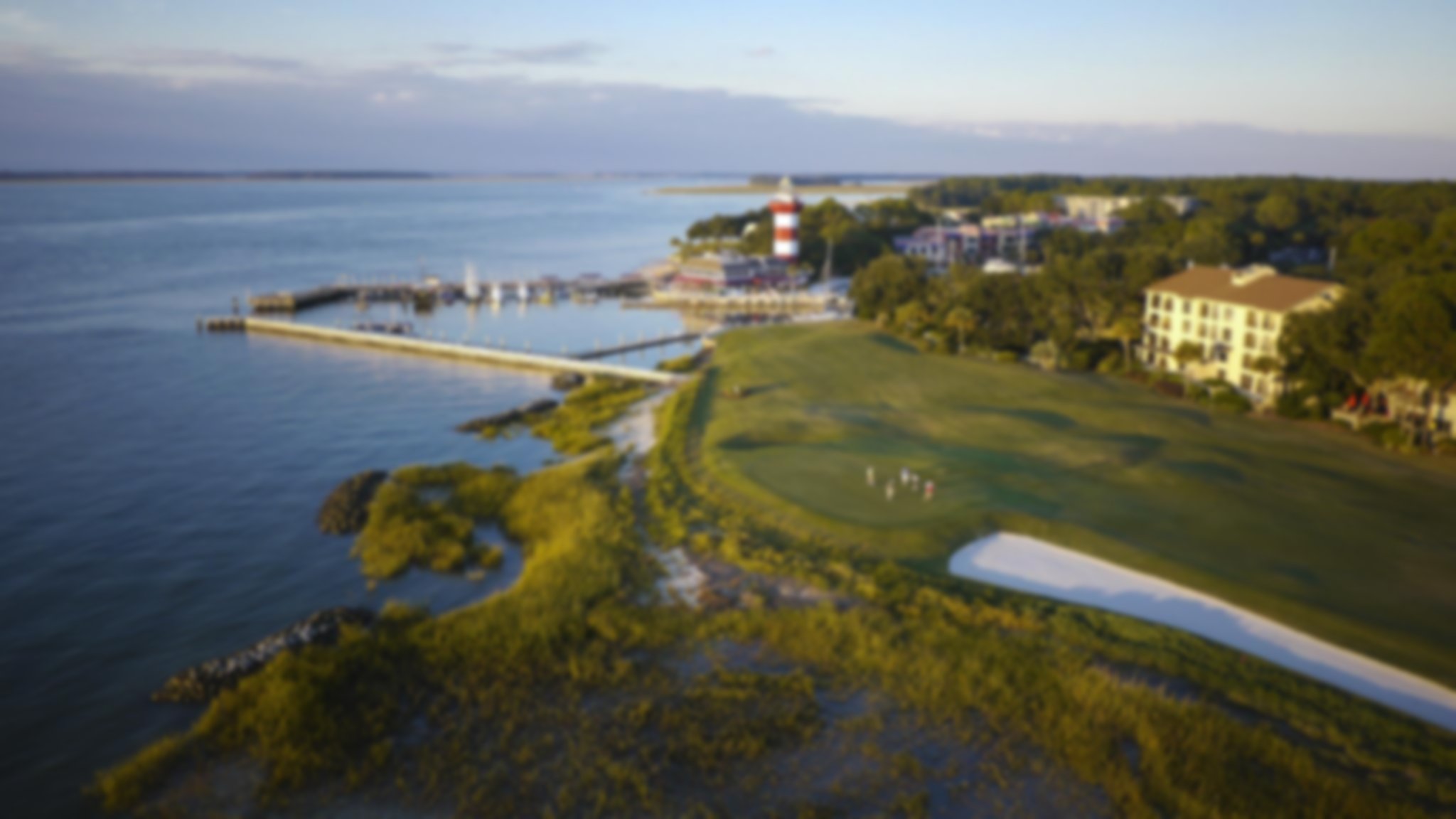
Harbour Town Golf Links
Signature hole: Par 4, 18th The 18th plays toward the iconic Harbour Town Lighthouse with Calibogue Sound lining the left side. A precise drive is essential to avoid the water, while the approach must hold a narrow green exposed to wind. It is one of the most recognizable finishing holes in golf.
Key features:
- PGA TOUR host venue
- Precision-based design over power
- Iconic lighthouse finishing hole
Did you know? The Harbour Town Lighthouse behind the 18th green is one of the most photographed landmarks in golf and has become synonymous with the RBC Heritage tournament.
2. Atlantic Dunes
Location: Sea Pines Resort | Par: 72 | Designer: Davis Love III | Reopened: 2016
Atlantic Dunes offers a more expansive and coastal-focused complement to Harbour Town, delivering a modern interpretation of classic Lowcountry golf. Redesigned by Davis Love III, the course blends wider fairways, improved sightlines, and strategically contoured green complexes to create a layout that is both visually striking and highly playable.
The routing moves fluidly between maritime forest, tidal marsh, and exposed oceanfront holes, providing a strong sense of place throughout the round. While the fairways are more forgiving than Harbour Town, positioning remains key - particularly on approach shots, where angles into subtly contoured greens can significantly influence scoring opportunities. Bunkering has been thoughtfully reintroduced to frame landing zones and protect green complexes, reinforcing strategic decision-making without overly penalising the player.
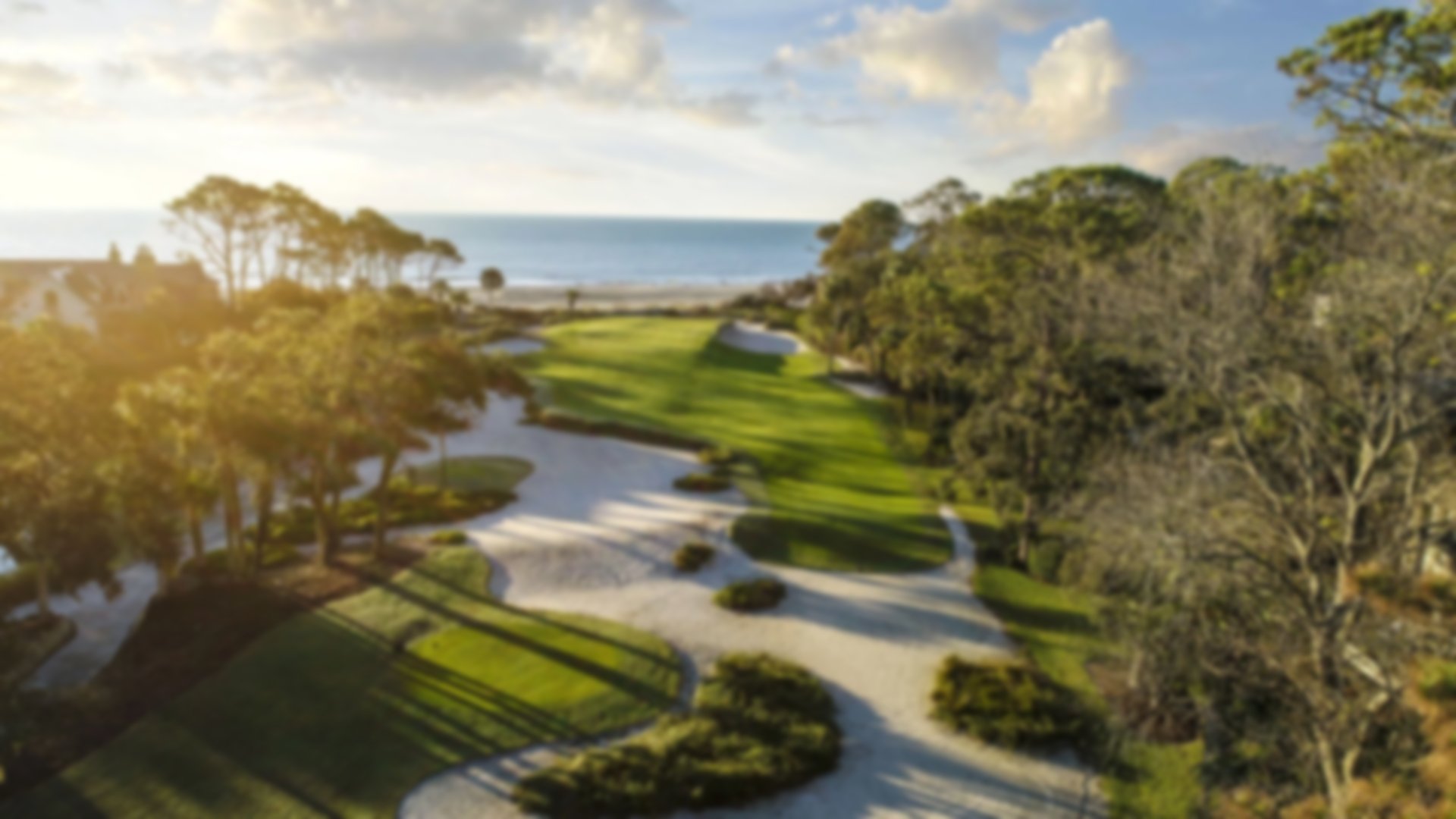
Atlantic Dunes
Signature hole: Par 3, 15th The par-3 15th is one of the most memorable holes on Hilton Head, playing directly along the Atlantic coastline. The tee shot carries over marshland to a green set against the ocean backdrop, with wind often dictating both club selection and shot shape.
Key features:
- True oceanfront holes with significant wind influence
- Modern redesign inspired by classic Lowcountry architecture
- Wider fairways balanced by strategic approach play
Did you know? Atlantic Dunes was redesigned by Davis Love III with inspiration drawn from traditional seaside layouts, reintroducing classic shaping and strategic elements while preserving the natural beauty of the Lowcountry landscape.
3. Heron Point
Location: Sea Pines Resort | Par: 72 | Designer: Pete Dye | Reopened: 2007
Heron Point delivers a bold and visually dynamic contrast to Harbour Town, showcasing Pete Dye's more expressive architectural style. The layout incorporates expansive waste bunkers, water hazards, and dramatic shaping to create a visually striking and strategically engaging round.
Fairways offer reasonable width, but positioning is critical to access the best angles into elevated, well-protected greens. The routing introduces more pronounced risk-reward opportunities, allowing players to take on hazards in pursuit of scoring advantages. This creates a more aggressive playing style compared to Harbour Town’s disciplined precision.
Signature hole: Par 4, 9th A strategic par-4 where water comes into play on the approach, tempting players to take on a more aggressive line from the tee to shorten the second shot. Execution is key, as misjudgment can quickly lead to dropped strokes.
Key features:
- Bold Pete Dye design features
- Risk-reward opportunities throughout
- Visually striking layout with strong shaping
Did you know? Heron Point was completely redesigned by Pete Dye, transforming the original George Cobb course into one of the most visually distinctive layouts on Hilton Head.
4. Robert Trent Jones Course
Location: Palmetto Dunes Resort | Par: 72 | Designer: Robert Trent Jones Sr. | Opened: 1969
The Robert Trent Jones Course at Palmetto Dunes Resort is one of Hilton Head’s most balanced and enjoyable layouts, blending classic resort playability with thoughtful strategic design. The course is defined by its extensive lagoon system, which comes into play on numerous holes and shapes both tee shots and approaches.
Fairways are generous, encouraging confident driving, but elevated greens and carefully placed hazards demand precision on approach. The routing alternates between sheltered inland holes and more exposed stretches, where wind adds an additional layer of challenge. This variation ensures a well-rounded and engaging round for golfers of all abilities.
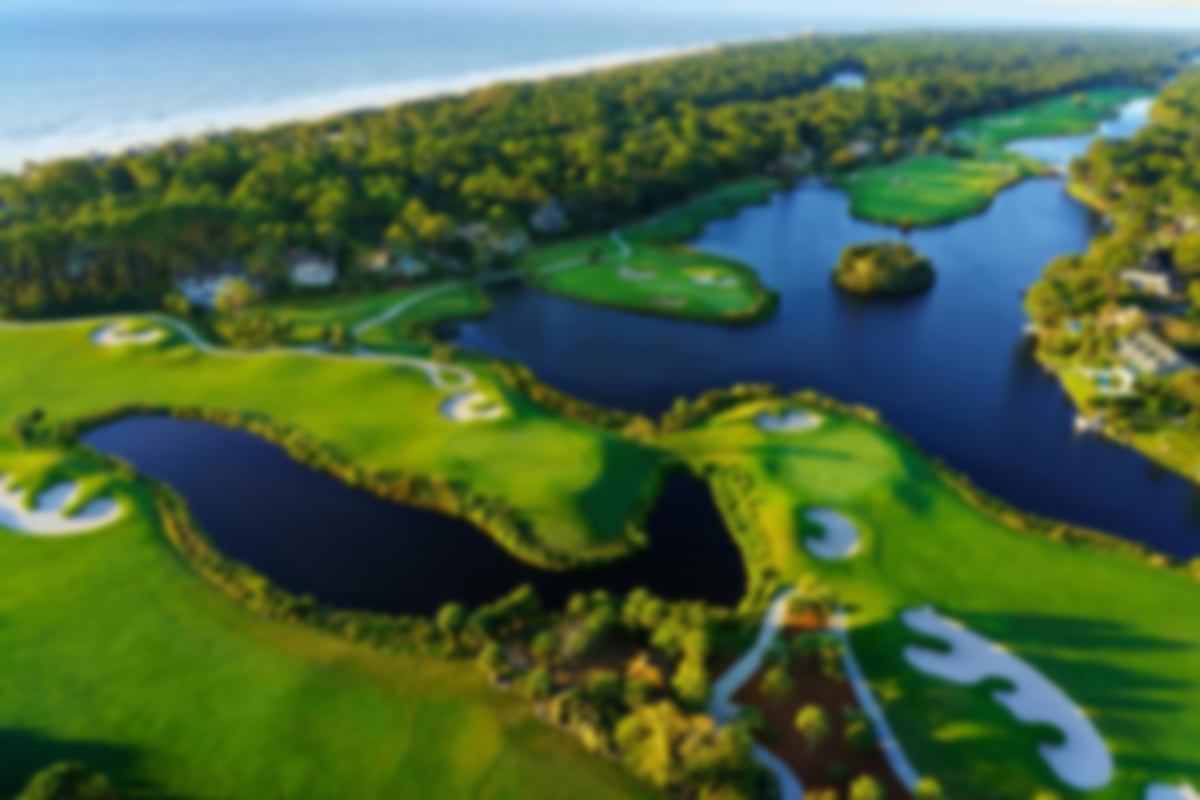
Robert Trent Jones Course
"Excellent layout and condition - a decent but fair test off the blue tees. Very good for a resort course" - Trusted Golfbreaks customer
Signature Hole: Par 5, 10th A classic risk–reward par-5 where a lagoon guards the approach to the green. Players must decide whether to attempt the carry in two or lay up for a safer third shot, making it one of the most strategic holes on the course.
Key Features:
- Lagoon-influenced design throughout
- Accessible yet strategically engaging layout
- Central location within Hilton Head
Did you know? The lagoon on the 10th hole runs alongside the Atlantic coastline, creating one of the most unique settings on the island.
5. Oyster Reef Golf Club
Location: Hilton Head Plantation | Par: 72 | Designer: Rees Jones | Opened: 1982
Oyster Reef Golf Club is one of Hilton Head’s most scenic and rewarding layouts, offering a blend of maritime forest and marshland holes. Designed by Rees Jones, the course features rolling fairways, strategically placed bunkers, and elevated greens that create both visual appeal and strategic challenge.
The routing gradually builds toward a stunning marsh-front back nine, where exposure to wind and water hazards increases the difficulty. Fairways are playable, but approach shots require precision to navigate well-guarded greens. The combination of natural beauty and thoughtful design makes Oyster Reef a standout public-access course on the island.
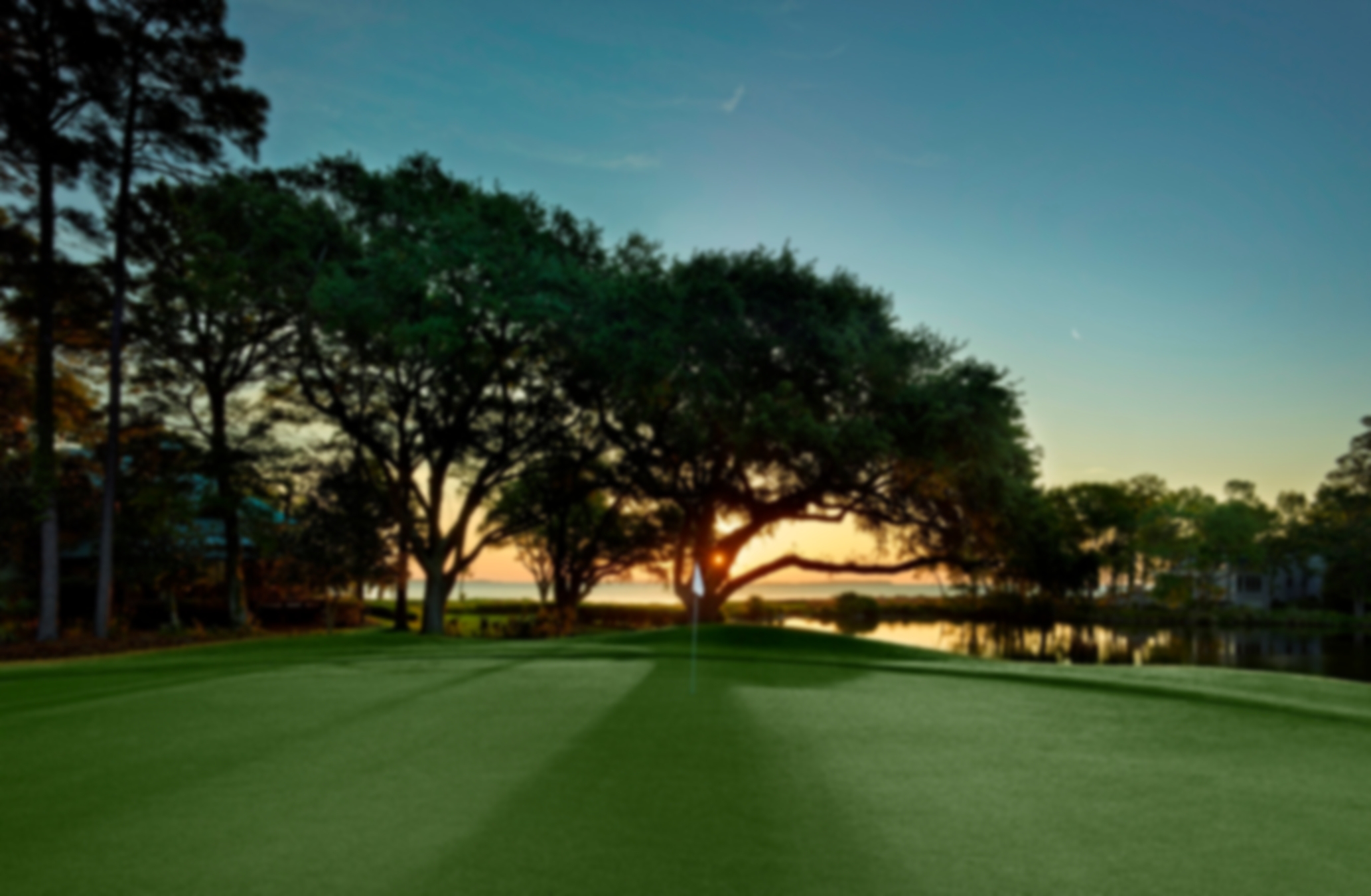
Oyster Reef Golf Club
Signature Hole: Par 3, 6th A picturesque short hole playing toward Port Royal Sound, requiring precise distance control to a well-protected green framed by marshland and coastal scenery.
Key features:
- Scenic marsh-front holes
- Strategic Rees Jones design
- Strong back-nine finish
Did you know? Oyster Reef’s closing stretch is considered one of the most scenic sequences on Hilton Head, with several holes offering expansive views over Port Royal Sound.
6. Arthur Hills Course
Location: Palmetto Dunes Resort | Par: 72 | Designer: Arthur Hills | Opened: 1986
The Arthur Hills Course offers one of the most distinctive layouts on Hilton Head, blending inland elevation changes with classic Lowcountry marshland. Unlike many flatter island courses, Hills’ design incorporates rolling terrain, elevated tees, and varied sightlines that create both visual interest and strategic complexity.
Fairways are generally generous, but the routing rewards careful positioning to open the best angles into raised, well-protected greens. Bunkering is more pronounced than on neighbouring courses, and several holes introduce forced carries over marsh or water, demanding confident ball-striking. The course’s varied landscape ensures a dynamic round, combining inland parkland character with exposed coastal elements.
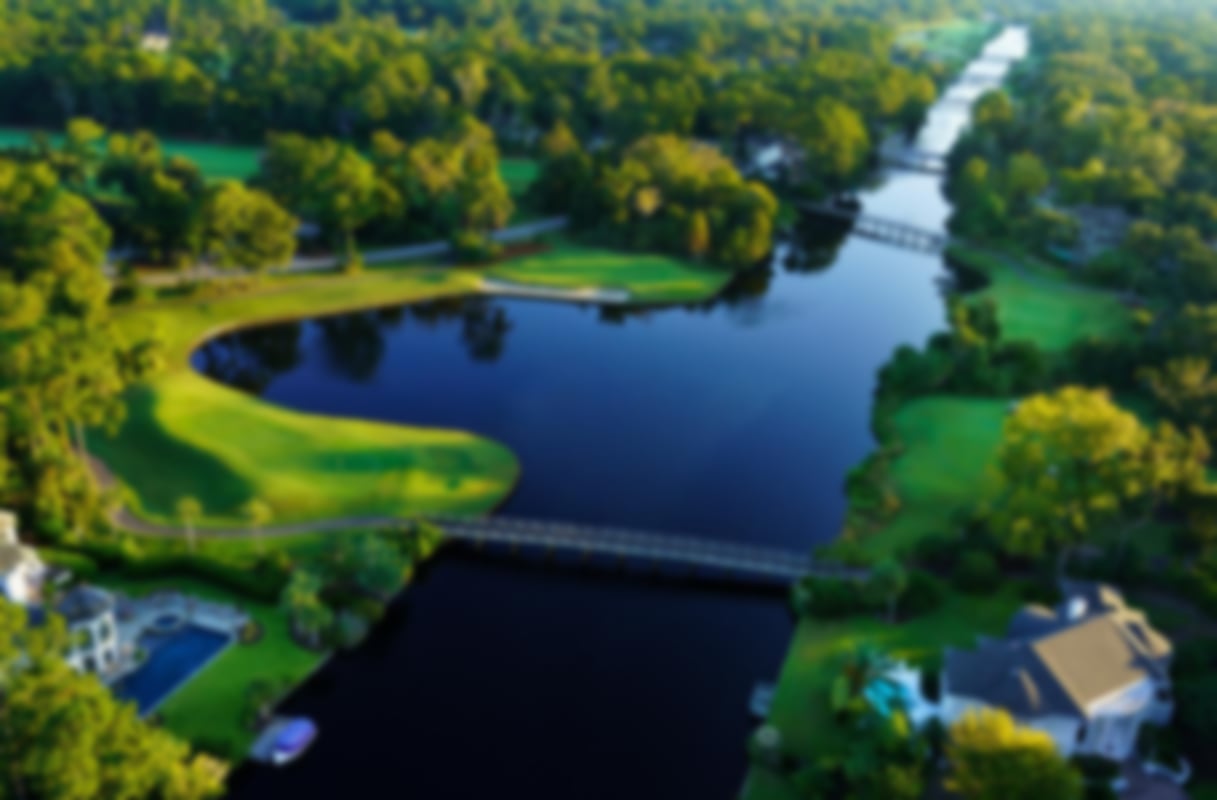
Arthur Hills Course
Signature Hole: Par 4, 17th A demanding par-4 that plays across marshland to a narrow fairway before turning toward a well-guarded green. Precision off the tee is essential to set up a manageable approach, while wind exposure adds an extra layer of challenge.
Key Features
- Unique elevation changes for Hilton Head
- Blend of inland and marshland holes
- Strong strategic bunkering and green complexes
Did you know? The Arthur Hills Course is one of the few layouts on Hilton Head to feature significant elevation changes, giving it a distinctly different feel from the island’s flatter coastal courses.
7. George Fazio Course
Location: Palmetto Dunes Resort | Par: 70 | Designer: George Fazio | Opened: 1974
The George Fazio Course delivers a more traditional, shot-maker’s test within the Palmetto Dunes Resort. Known for its narrower fairways and smaller green complexes, it places a premium on accuracy and precision, offering a stronger challenge for lower-handicap players.
The routing moves through tree-lined corridors with less water than the neighbouring RTJ Course, shifting the focus toward ball-striking and controlled approach play. Greens are typically smaller and more subtly contoured, requiring confident putting and precise distance control. While shorter in length, the course’s tighter design ensures it remains a demanding and rewarding round.
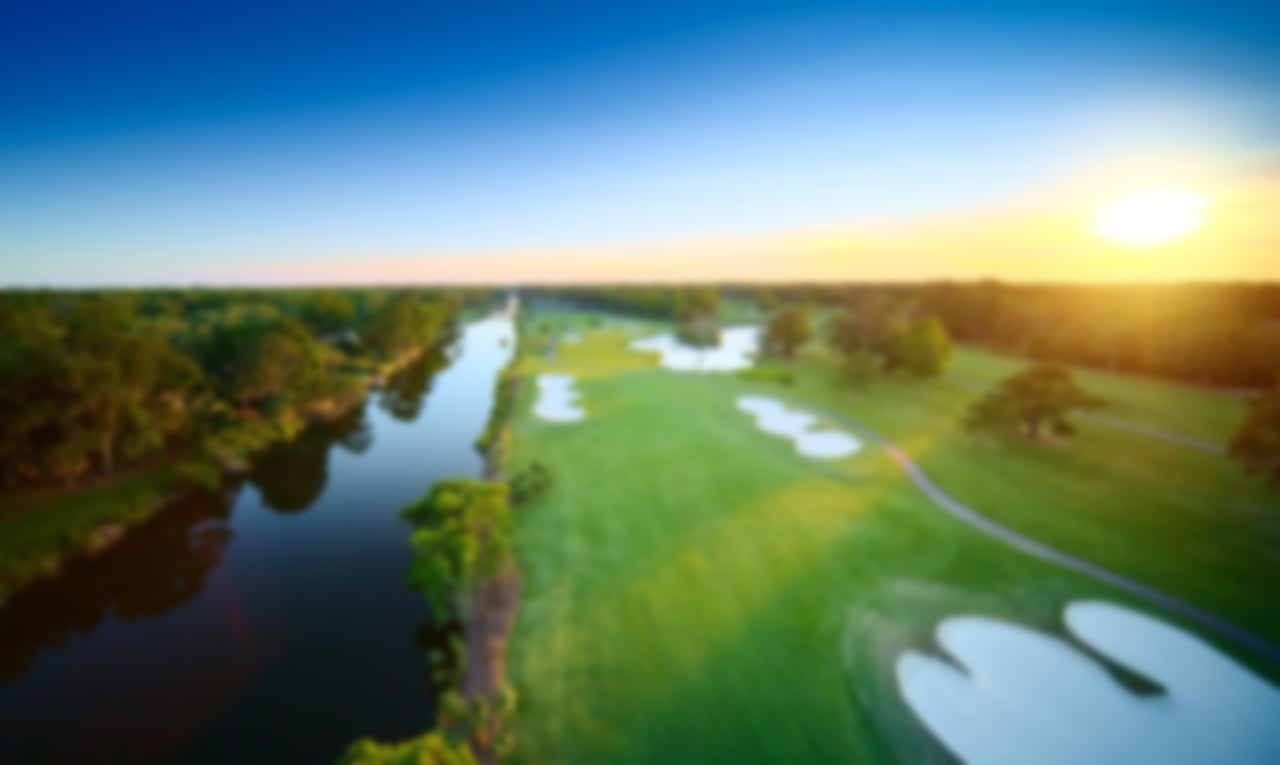
George Fazio Course
Signature Hole: Par 4, 18th A well-framed finishing hole requiring a precise drive to avoid bunkers and set up a controlled approach into a guarded green. The subtle contours of the putting surface reward accurate iron play.
Key features:
- Narrower, more technical layout
- Smaller, well-protected greens
- Ideal for skilled ball-strikers
Did you know? The George Fazio Course was the first course built at Palmetto Dunes and remains a favourite among locals for its more traditional, shot-making challenge.
8. Hilton Head National
Location: Bluffton | Par: 71 | Designer: Gary Player & Boby Weed | Opened: 1989
Hilton Head National offers a more open and forgiving alternative to the island’s tighter, tree-lined layouts. Wide fairways and minimal rough provide a more accessible playing experience, while strategic bunkering and water hazards maintain interest for lower-handicap players.
The routing allows for a more relaxed style of play, with fewer forced carries and greater margin for error off the tee. Despite its playability, the course still rewards strong approach play into well-maintained greens, ensuring a satisfying and balanced round.
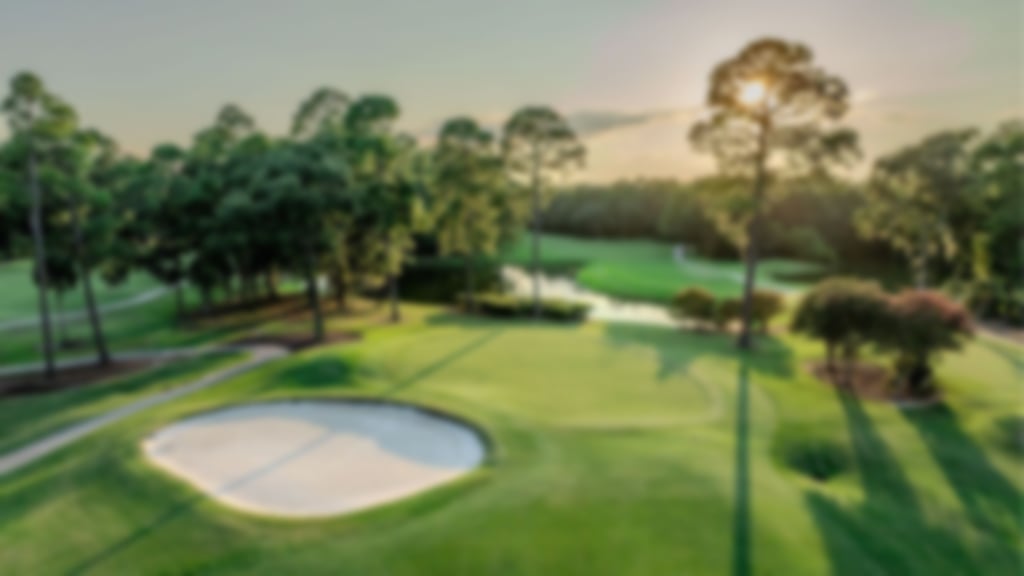
Hilton Head National
Signature Hole: Par 4, 15th A well-framed hole requiring a controlled tee shot to set up a precise approach into a guarded green. Subtle green contours add to the challenge on approach and putting.
Key features:
- Wide, forgiving fairways
- Consistently strong conditioning
- Excellent value option near Hilton Head
Did you know? Hilton Head National is one of the few courses in the area without surrounding residential development, offering a more open and uninterrupted golfing environment.
9. Barony Course
Location: Port Royal Plantation | Par: 72 | Designer: George Cobb | Opened: 1963
The Barony Course at Port Royal Golf Club is a classic Hilton Head layout that blends tree-lined fairways with marshland exposure. Originally designed by George Cobb and later updated to modern standards, the course offers a traditional Lowcountry experience rooted in strategic simplicity and strong fundamentals.
Fairways are framed by mature trees, encouraging accuracy off the tee, while marshland and water hazards influence several key holes. Green complexes are moderately contoured and well-defended, rewarding precise approach play. The routing offers a consistent test throughout, combining playability with enough challenge to engage a wide range of golfers.
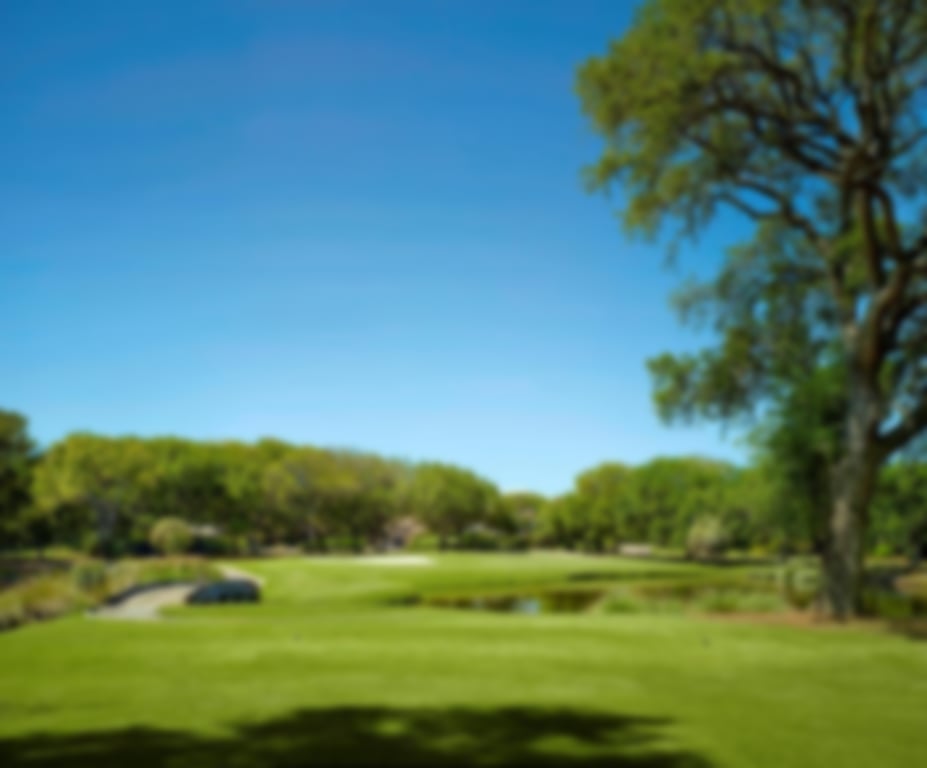
Barony Course
Signature Hole: Par 4, 6th A scenic par-4 playing alongside marshland, requiring a well-placed drive to avoid hazards and set up a controlled approach into a guarded green. Wind exposure often influences the approach shot.
Key features:
- Classic George Cobb design
- Tree-lined fairways with marshland influence
- Balanced challenge for all abilities
Did you know? Port Royal Golf Club has hosted numerous professional and amateur events, reinforcing its reputation as one of Hilton Head’s most established golf venues.
10. Robber's Row Course
Location: Port Royal Plantation | Par: 72 | Designer: George Cobb | Opened: 1961
Robber’s Row is the most distinctive and visually bold of the three courses at Port Royal Golf Club, offering a more modern and expressive contrast to the traditional Barony Course. Originally designed by George Cobb and later updated by Pete Dye, the layout incorporates wider fairways, creative shaping, and more pronounced bunkering, giving it a slightly more contemporary feel while retaining its Lowcountry character.
The routing moves through a mix of tree-lined corridors and marsh-adjacent holes, with water hazards and strategic bunkering influencing key approach shots. Fairways are generally generous, encouraging confident driving, but positioning remains important to access the best angles into subtly contoured greens. The course offers a balanced challenge, combining playability with enough strategic depth to engage a wide range of golfers.
Robber’s Row is particularly appealing for those seeking a relaxed yet visually engaging round, with a variety of hole styles that keep the experience fresh from start to finish.

Robber's Row Course
Signature Hole: Par 3, 16th The par-3 16th is a standout hole, playing across marshland to a well-protected green framed by bunkers and coastal vegetation. Club selection is critical, especially when wind is present, and the exposed setting leaves little room for error, making it one of the most memorable holes on the course.
Key features:
- Updated design incorporating Pete Dye influences
- Wider fairways with strategic bunkering
- Blend of tree-lined and marsh-adjacent holes
Did you know? Robber’s Row is named after the nearby historic Port Royal Sound area, once frequented by pirates and privateers, adding a touch of local heritage to the course’s identity.
Frequently asked questions
Q: When is the best time to play golf in Hilton Head? A: The best time to visit is March to May and September to November, when temperatures are comfortable, and course conditions are at their best. Winter is also popular for mild weather, while summer can be hot and humid but offers better value.
Q: Are Hilton Head golf courses suitable for all skill levels? A: Yes, Hilton Head offers a wide range of courses suitable for all abilities. While Harbour Town is more challenging and strategy-focused, courses like Atlantic Dunes and Palmetto Dunes RTJ provide more forgiving layouts ideal for resort golfers and mixed-ability groups.
Q: Do I need to stay at a resort to play golf in Hilton Head? A: Some courses, such as those at Sea Pines Resort, may require staying on-site or booking through a package provider to access tee times. However, many courses in the area are available to non-resort guests, especially through golf travel providers.
Q: How many golf courses are there in Hilton Head? A: Hilton Head Island and the surrounding Bluffton area are home to over 20 golf courses, offering a wide variety of layouts, including coastal, parkland, and marsh-integrated designs.
Q: What makes Hilton Head different from other golf destinations? A: Hilton Head stands out for its Lowcountry scenery, strategic course design, and resort convenience. Unlike desert or links destinations, it combines tree-lined fairways, marshland views, and coastal winds with easy access to accommodation and multiple courses in close proximity.
_(Copy).jpg?auto=webp&disable=upscale&blur=3&fit=bounds)
Palmetto Dunes Oceanfront Resort
Hilton Head offers one of the most complete golf experiences in the United States, blending championship pedigree with scenic Lowcountry landscapes and resort convenience. From the strategic precision of Harbour Town to the coastal beauty of Atlantic Dunes and the variety of layouts across the island, it delivers something for every type of golfer.
Whether you’re planning a dedicated golf break or combining golf with a coastal escape, Hilton Head remains a standout destination for year-round play.
Updated 15 April 2026
Product & Pricing Manager
Product & Pricing Manager, I work directly with our venues, ensuring we have the best rates and packages for our clients


About Golfbreaks
Speciality golf packages


Proudly in partnership with

