
.webp?auto=webp&width=880&height=495&disable=upscale&quality=75&fit=bounds)

.JPG?auto=webp&width=880&height=495&disable=upscale&quality=75&fit=bounds)

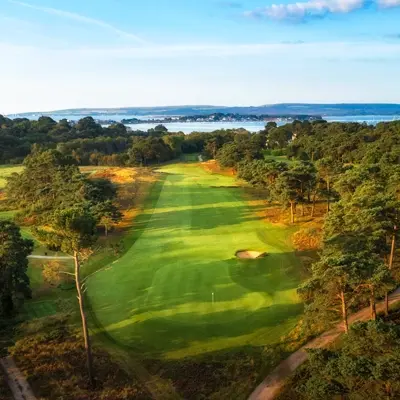









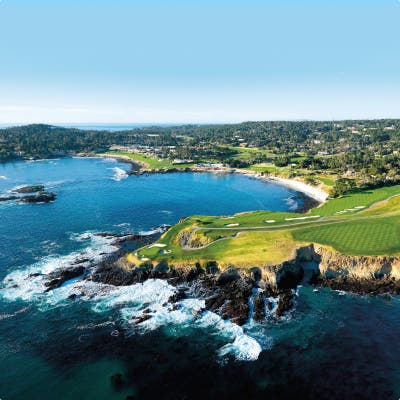
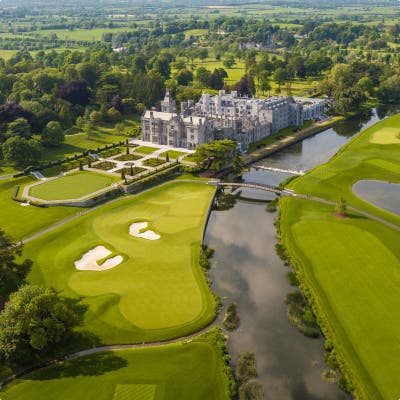






South West Ireland is home to some of the most celebrated links golf in the world. Stretching along the Wild Atlantic Way, this rugged coastline delivers a collection of courses that are as dramatic as they are historic - where towering dunes, crashing waves and ever-changing winds shape every round.
From the iconic fairways of Ballybunion and Lahinch to the breathtaking clifftop holes at Old Head, this is golf in its purest form. It’s a region that has inspired legends, challenged the world’s best and earned its place firmly on every golfer’s bucket list.
Take a look at our picks for the best golf courses in South West Ireland to visit on your next golf vacation.
Old Course, Ballybunion Golf Club
Consistently ranked among the Top 20 courses in the world (Golf Digest / Top 100 Courses) Location: Co. Kerry, Ireland | Designer: Tom Simpson (updates), original links | Par: 71 | Yards: ~6,800 | Founded: 1893
Why play here? Ballybunion’s Old Course is as pure as links golf gets. Set high above the Atlantic, it delivers a raw, natural experience where towering dunes shape every shot and every decision. This is not manufactured drama - it’s nature doing the heavy lifting.
The routing builds beautifully, easing you in before unleashing one of the most exhilarating back nines in golf. Fairways twist between massive dunes, greens sit on plateaus or nestle into valleys, and the wind is a constant companion. It’s no surprise this course captured Tom Watson’s imagination and helped elevate it to global fame.
Old Course, Ballybunion Golf Club
“There are no weak holes at Ballybunion - just pure links brilliance from start to finish.”
Highlight/signature hole: Par-4 11th – A stunning hole weaving through dunes with a perfectly framed green.
Key features:
- Dramatic dune landscape throughout
- Five outstanding par 3s
- World-renowned back nine
- True traditional links experience
Bonus fact: Tom Watson famously called Ballybunion his favourite course in the world.
Waterville Golf Links
Top 50 in the world (regularly featured in Golf Magazine rankings) Location: Co. Kerry, Ireland | Designer: Eddie Hackett (updated by Tom Fazio) | Par: 72 | Yards: ~7,300 | Founded: 1889
Why play here?
At the edge of the Ring of Kerry, Waterville blends rugged beauty with strategic brilliance. The course flows naturally through rumpled dunes, framed by mountains on one side and the Atlantic on the other - arguably one of the most scenic settings in golf.
The routing has a rhythm to it, with elevated tees offering panoramic views before demanding precise approaches into subtly contoured greens. It’s a thinking golfer’s links, where creativity and control matter more than brute force.
Waterville Golf Links
“Waterville feels like it was carved by nature purely for golf.”
Highlight/signature hole: Par-5 11th “Tranquility” – A breathtaking and strategic risk-reward hole.
Key features:
- Spectacular coastal and mountain views
- Strong, strategic green complexes
- Elevated tees for course visibility
- Hosted Irish Open and top amateur events
Bonus fact: Charlie Chaplin was a regular visitor and has a statue in the village.
Tralee Golf Club
Top 100 courses in the world (Golf Digest) Location: Co. Kerry, Ireland | Designer: Arnold Palmer | Par: 72 | Yards: ~6,800 | Founded: 1984
Why play here?
Tralee is all about visual drama. Designed by Arnold Palmer, the course reaches its peak on the back nine - famously described by Palmer as “surely designed by God.”
Towering dunes, crashing waves, and cliff-edge holes create one of the most exhilarating stretches in Irish golf. The greens are bold and sloping, demanding precision, while the fairways offer generous landing areas that encourage confident driving.
Tralee Golf Club
“The back nine at Tralee is one of the most spectacular in golf.”
Highlight/signature hole: Par-3 16th – A cliffside hole with jaw-dropping ocean views.
Key features:
- Iconic back nine
- Dramatic coastal setting
- Challenging, sloped greens
- Designed by Arnold Palmer
Bonus fact: Arnold Palmer considered Tralee one of his proudest designs.
Lahinch Golf Club
Top 50 in the world (Top 100 Courses / Golf Magazine) Location: Co. Clare, Ireland | Designer: Old Tom Morris, Alister MacKenzie | Par: 72 | Yards: ~6,950 | Founded: 1892
Why play here?
Lahinch is steeped in history and character. This is classic links golf, where blind shots, natural dunes, and quirky routing combine to create an unforgettable experience.
The course constantly changes direction, testing your adaptability in shifting winds. Its famous holes - untouched for over a century - offer a glimpse into golf’s origins while still challenging modern players.
.jpg?auto=webp&disable=upscale&blur=3&fit=bounds)
Lahinch Golf Club
“Lahinch is wild, unpredictable, and utterly brilliant.”
Highlight/signature hole: Par-5 4th “Klondyke” – A blind approach over towering dunes.
Key features:
- Historic design influences
- Unique blind shots
- Hosted Irish Open
- Ever-changing wind conditions
Bonus fact: Often used by pros as preparation for The Open Championship.
Old Head Golf Links
Top 100 courses in the world (Golf Digest) Location: Co. Cork, Ireland | Designer: Ron Kirby & Eddie Hackett | Par: 72 | Yards: ~7,200 | Founded: 1997
Why play here?
Few courses in the world can match the sheer drama of Old Head. Set on a narrow peninsula, nearly every hole offers views of the Atlantic crashing against cliffs hundreds of feet below.
Despite the intimidating setting, the course is surprisingly playable, with wide fairways and generous landing areas. The challenge comes from the wind and the exposure, making every round a memorable test.
.jpg?auto=webp&disable=upscale&blur=3&fit=bounds)
Old Head Golf Links
“One of the most spectacular golfing landscapes on earth.”
Highlight/signature hole: Par-4 12th – Played along cliffs with breathtaking exposure.
Key features:
- 300-foot cliffs on multiple holes
- 360-degree ocean views
- Luxurious clubhouse and facilities
- Unique peninsula layout
Bonus fact: Nine holes play directly along cliff edges.
Dooks Golf Club
Top 100 in Ireland (regularly ranked among hidden gems) Location: Co. Kerry, Ireland | Par: 71 | Yards: ~6,500 | Founded: 1889
Why play here?
Dooks is one of Ireland’s oldest courses and one of its most charming. It offers a more understated links experience, where strategy and shot-making take precedence over power.
Set against the backdrop of the MacGillycuddy’s Reeks, the course delivers stunning views in every direction. Its smaller scale and classic design make it a favourite among purists.
Dooks Golf Club
“A thinker’s links - subtle, beautiful, and endlessly enjoyable.”
Highlight/signature hole: Par-4 2nd – Offers sweeping views across the landscape.
Key features:
- Exceptional green quality
- Scenic mountain and sea views
- Traditional links layout
- Less crowded, authentic feel
Bonus fact: Celebrated its 125th anniversary in 2014.
Cashen Course, Ballybunion Golf Club
Renowned modern links design by Robert Trent Jones Sr. Location: Co. Kerry, Ireland | Designer: Robert Trent Jones Sr. | Par: 72 | Yards: ~6,900 | Founded: 1984
Why play here?
Often overshadowed by its famous sibling, the Cashen Course delivers a more modern and dramatic take on links golf. The dunes here are even larger, creating bold elevation changes and unique shot demands.
It’s a more unconventional layout, with raised greens and less traditional playability, but that’s part of its charm - it challenges you to think differently.
Cashen Course, Ballybunion Golf Club
“Wild, unconventional, and hugely entertaining.”
Highlight/signature hole: Par-4 16th – A thrilling hole framed by towering dunes.
Key features:
- Massive dune formations
- Elevated greens
- Distinct modern design
- Dramatic closing stretch
Bonus fact: Designed by one of golf’s most influential architects.
Cork Golf Club
Designed by Alister MacKenzie (Augusta National architect) Location: Cork Harbour, Ireland | Designer: Alister MacKenzie | Par: 72 | Yards: ~6,800 | Founded: 1888
Why play here?
Cork Golf Club offers something different - a parkland-style course with links influences. It winds through Cork Harbour, blending coastal views with inland features.
The standout stretch runs through an old limestone quarry, creating a unique visual and strategic experience. Combined with MacKenzie’s signature design touches, it’s a must-play for architecture enthusiasts.
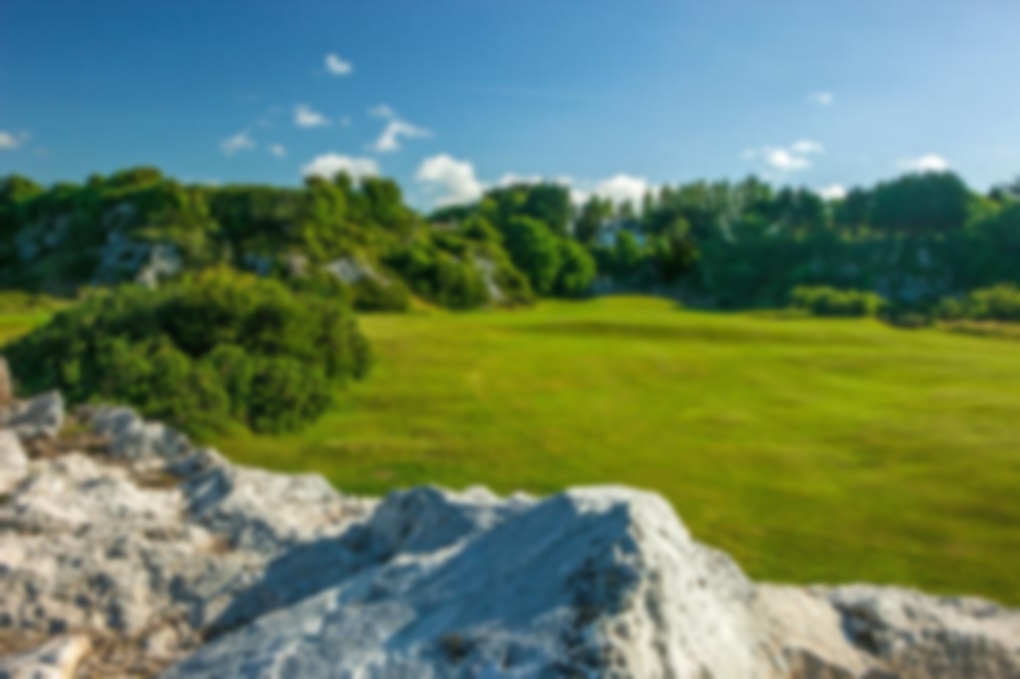
Cork Golf Club
“A fascinating mix of parkland and links character.”
Highlight/signature hole: Quarry holes (various) – Dramatic and visually unique.
Key features:
- MacKenzie design pedigree
- Quarry-based holes
- Challenging bunkering
- Hosted Irish Open
Bonus fact: Features “Seve’s Tree,” planted to mark a legendary drive.
Doonbeg Golf Links
Top 100 courses in the world (Golf Digest) Location: Co. Clare, Ireland | Designer: Greg Norman (updated by Martin Hawtree) | Par: 72 | Yards: ~7,000 | Founded: 2002
Why play here?
Doonbeg is a modern links that still feels completely natural. Greg Norman worked with the land rather than against it, letting the dunes dictate the routing and shape of each hole.
The course offers a mix of challenging and scenic holes, with several greens perched dramatically above the coastline. It’s visually stunning but also highly playable, making it a favourite among visiting golfers.
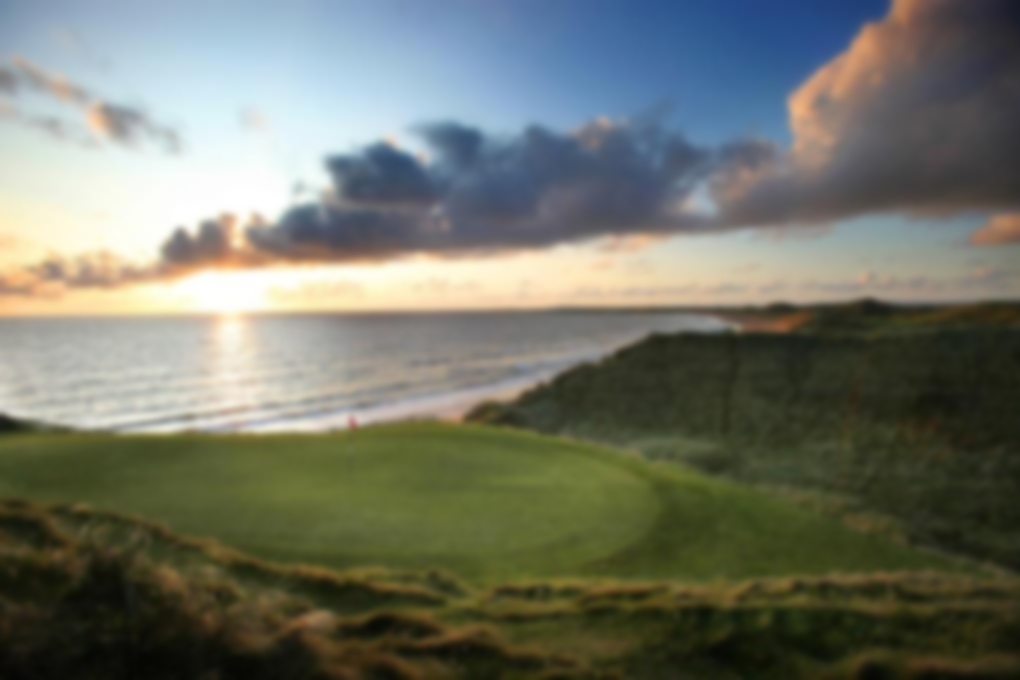
Doonbeg Golf Links, Trump Doonbeg International Golf Links & Hotel
“A modern links that respects the traditions of the game.”
Highlight/signature hole: Par-3 6th – A spectacular short hole with a dramatic green setting.
Key features:
- Natural dune routing
- Coastal views throughout
- Luxury resort setting
- Redesigned by Martin Hawtree
Bonus fact: Built with environmental constraints that shaped its unique design.
Fota Island Resort
Host of the Irish Open (multiple times) Location: Co. Cork, Ireland | Designer: Christy O’Connor Jr. | Par: 71 | Yards: ~7,100 | Founded: 1993
Why play here?
Fota Island offers a different pace from the rugged links courses nearby. Set across a lush island estate, it provides a polished resort experience with wide fairways and immaculate conditioning.
The course winds through woodland and lakes, with elevation changes adding variety and visual appeal. It’s less punishing than traditional links, making it ideal for a relaxed but high-quality round.
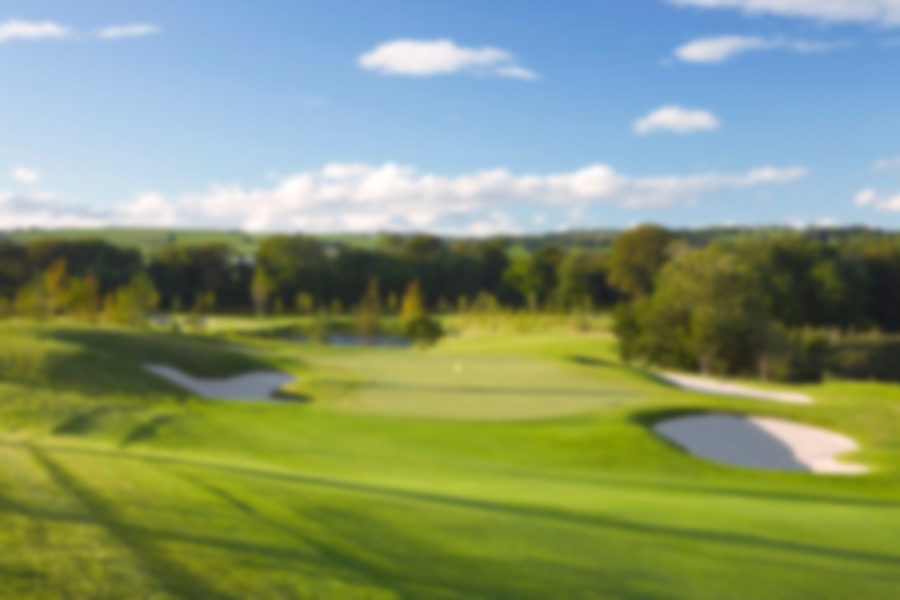
Barryscourt Course, Fota Island Resort
“A resort course that blends playability with championship pedigree.”
Highlight/signature hole: Par-5 18th – A strong finishing hole framed by water and trees.
Key features:
- 27-hole complex
- Irish Open venue
- Resort facilities
- Scenic woodland layout
Bonus fact: Shares the island with a wildlife park, where animals can often be heard during play.
Travel tips for South West Ireland
-
Plan your route carefully Courses like Ballybunion, Waterville, Lahinch and Tralee look close on a map, but coastal roads can be slow and winding. Build in extra travel time and avoid cramming too many rounds into tight schedules.
-
Rent a car Public transport won’t get you to most top courses. A rental car gives you flexibility, especially if you're playing multiple courses along the Wild Atlantic Way.
-
Book tee times well in advance The top courses (especially Ballybunion, Lahinch and Old Head) fill up quickly during peak season (May–September). Aim to book several months ahead to secure preferred times.
-
Be ready for all weather You can experience sunshine, wind and rain in a single round. Pack waterproofs, layers and proper golf shoes - links conditions can change quickly.
-
Don’t underestimate the wind Club selection is everything on links courses. Even short holes can play long in strong Atlantic winds - bring your low ball flight and stay adaptable.
-
Allow time off the course The South West isn’t just about golf. The Ring of Kerry, Cliffs of Moher and Dingle Peninsula are worth exploring - rushing between rounds means missing half the experience.
-
Enjoy the clubhouse culture Irish golf clubs are known for their warm hospitality. Plan time for a post-round pint or meal - it’s part of the experience.
FAQs: South West Ireland golf trips
Q: When is the best time to visit South West Ireland for golf? A: May to September offers the best weather and longest daylight hours. June and September are often ideal - good conditions with fewer crowds than peak summer.
Q: How many courses should I play on a trip? A: A typical 5–7 day trip includes 4–6 rounds. Trying to play more can feel rushed due to travel times and weather variability.
Q: Are the courses suitable for high handicappers? A: Yes, but links golf can be challenging. Wide fairways help, but wind, bunkering and fast greens add difficulty. Many courses offer multiple tee options.
Q: What should I pack for a golf trip here? A: Waterproofs, layers, hat, gloves and good walking shoes. Even in summer, conditions can be unpredictable.
Q: Is South West Ireland good for non-golfers? A: Yes. There’s plenty to see and do - coastal drives, historic towns, food, hiking and cultural attractions.
Q: How far apart are the main golf areas? A: Kerry (Ballybunion, Tralee, Waterville) and Clare (Lahinch, Doonbeg) are about 2.5–3.5 hours apart by car, depending on route and traffic.
Final thoughts
South West Ireland is one of the world’s great golf regions - where dramatic landscapes, historic links and unforgettable holes come together along the Wild Atlantic Way. From the iconic dunes of Ballybunion and Lahinch to the breathtaking cliffs of Old Head and the rhythm of Waterville, every course offers something distinct, yet equally memorable.
Whether you’re planning a bucket-list trip or looking to experience true links golf at its finest, South West Ireland delivers in every sense.
Published 09 August 2022
Scotland & Ireland Team Leader
Related articles
.jpg?auto=webp&disable=upscale&blur=3&fit=crop&width=700&height=400)


About Golfbreaks
Speciality holiday types
Popular golf destinations


Proudly in partnership with


