
.webp?auto=webp&width=880&height=495&disable=upscale&quality=75&fit=bounds)

.JPG?auto=webp&width=880&height=495&disable=upscale&quality=75&fit=bounds)









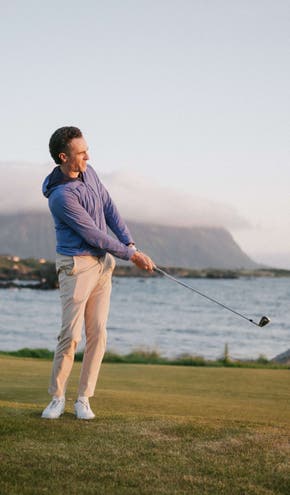
Behind the lens: Filming the ultimate South West Ireland golf trip
David Ford
6 mins read
In September 2026, we travelled to South West Ireland with creators Peter Finch, Sean Walsh and James Wilson, as full filming crew. The brief was simple: capture what makes this part of Ireland so special for golfers. It didn't take long to realise the destination would do most of the work for us.
For several of us it was our first time in Ireland, and most of the group had never played the courses before. That made this a genuine first-look experience: the same excitement, surprises and "wow" moments you'd have on your own trip, just with a few more cameras pointing at them.
Over one week we played seven courses across County Kerry and County Clare, from world-famous links like Ballybunion and Lahinch to quieter, more traditional courses that gave the trip real variety. Here's how the trip unfolded, what didn't make the final cut, and what we'd tell any golfer planning the same trip.
The drive from Dublin to Killarney takes around three hours, far quicker than many of us expected. Once we arrived, it was clear why rural Ireland feels like stepping back in time: independent pubs, family-run cafés and small towns full of character, with barely a chain in sight.
Our first night was at Killarney Plaza, a boutique hotel in the heart of town with an excellent gym and pool. After an afternoon of travelling, we headed to Pigs Lane for a whiskey tasting in an intimate private room with around 470 whiskeys. Our guide was knowledgeable, friendly and very funny, and the evening rolled naturally into dinner at The Tan Yard back at the Plaza. It was the perfect start to the week.
Travel tip: Book a whiskey tasting on your first night. It's a brilliant activity to bring the group together.
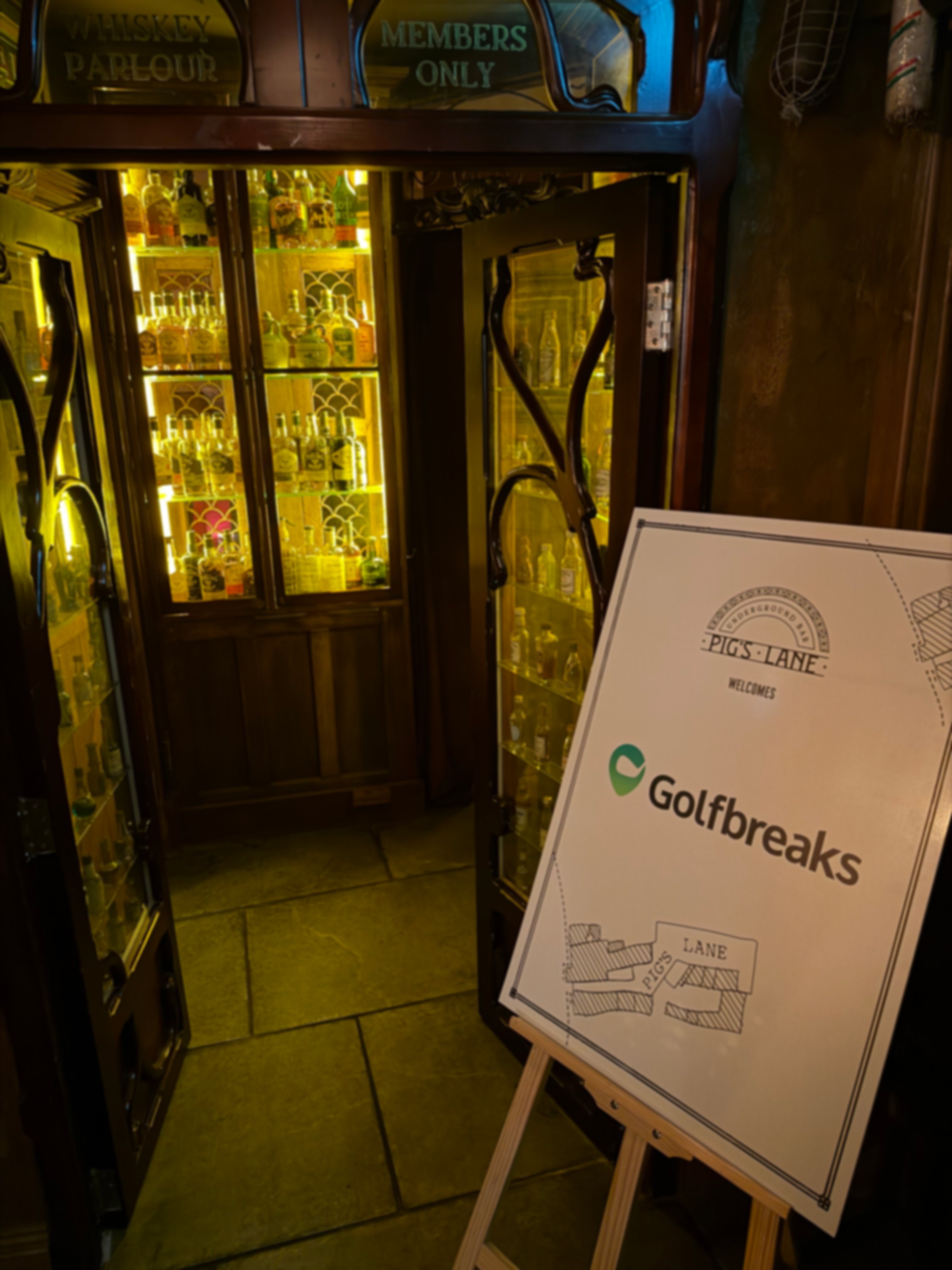
Pig's Lane
After lunch at Café du Parc in Killarney Plaza, we drove around an hour and 20 minutes along the coast to Waterville for our first taste of Kerry links golf.
Waterville is one of Ireland’s most formidable links, stretching to more than 7,000 yards from the back tees. A flatter, strategic front nine gives way to a dramatic finish among the dunes and along the shore. Its most famous hole is the par-3 12th, The Mass Hole, named after the hollow in front of the green where locals secretly held Mass when Catholicism was banned.
The clubhouse is also a highlight, with a large pro shop and a modern restaurant looking out across the course and beach beyond. It is a great place for a group meal after the round.
Behind the scenes: We booked a late tee time to catch the best light for filming, and it paid off. The sunset over the 17th, looking towards the beach, was one of the standout moments of the whole trip. It did not feel like the Ireland any of us had pictured.
We ended the evening with a Guinness at O’Donoghue’s in Killarney before checking into Killarney Avenue, the larger of the town’s two hotels and a great option for bigger groups.
Travel tip: Consider a late afternoon tee time. The course is quieter and the evening light is unforgettable.
.jpg?auto=webp&disable=upscale&blur=3&fit=bounds)
Waterville Golf Links
A 7:40am tee time at Dooks, just 40 minutes from Killarney, introduced us to the course that won everyone over.
Dooks offers a gentler, more traditional side of Irish links golf. It is flatter and more intimate than the big championship courses, with a relaxed clubhouse where you feel like a member within minutes. Golf has been played here since 1889, and the setting is superb, with the Atlantic visible from almost every hole and the McGillycuddy Reeks rising in the background.
The group’s favourite detail, though, was the club’s natterjack toad logo, a nod to the rare toads that breed on the course.
Behind the scenes: Dooks was our first early start of the trip, and it set the tone for the week. Quiet fairways, soft morning light and nobody waiting behind us allowed the crew to capture the course at its best. Watch it on our Instagram, TikTok and YouTube channels.
Dooks Golf Club
That evening, we headed to Dingle, a colourful harbour town full of traditional pubs. First stop was Dick Mack’s, an authentic pub with a bar on one side and a leather-goods shop on the other, pouring some of the best Guinness we had all week.
Dinner followed at Paul Geaney’s, a lively local favourite with excellent food and a brilliant atmosphere. With football on the screens and the pub full of locals, it was the perfect way to round off the day.
Travel tip: Pair Dooks with one of the championship links. It is a relaxed, authentic contrast and great value.
On the way to Dingle Golf Links, we got a proper taste of rural Irish life when a herd of cows was walked down the road straight towards our bus. Nobody minded the delay.
Known locally as Ceann Sibéal, Dingle is the most westerly golf course in Europe. The weather on the way was classic west coast Ireland, with grey skies, rain and howling wind, but it cleared almost as soon as we teed off. It is a traditional, open links and more forgiving than some of the region’s tougher tests, making it ideal for mixed-ability groups.
In the afternoon, we drove around an hour and a half to Tralee. If one course exceeded everyone’s expectations, this was it. Huge dunes, castle ruins and several holes running right along the ocean make it one of the most scenic courses we played.
Arnold Palmer designed the course and famously said: “I designed the first nine holes, but God designed the back nine.” The practice facilities are excellent too.
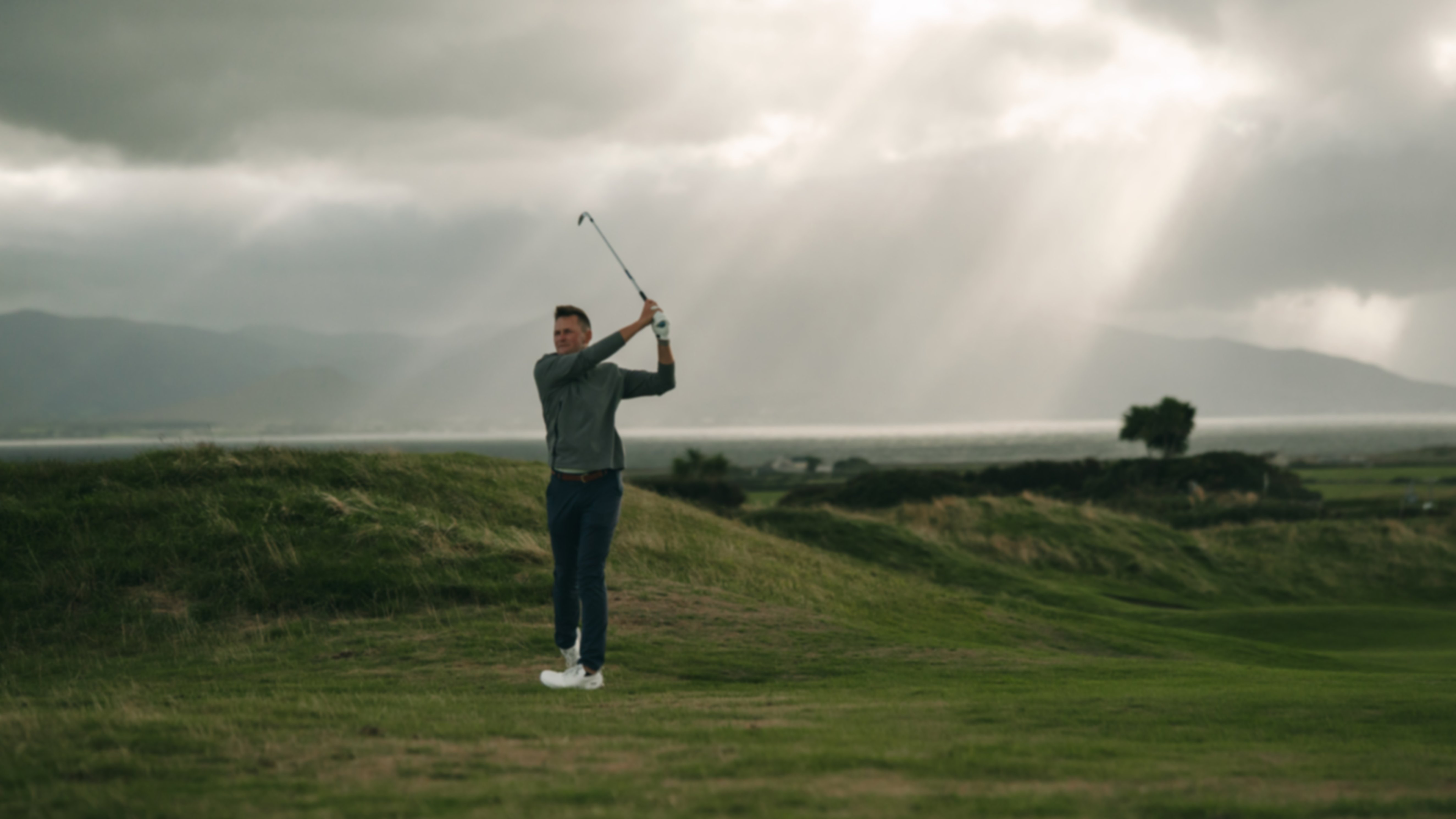
Tralee Golf Club
Behind the scenes: When we arrived, the heavens once again opened, and it looked as though the round would be a washout. We crowded into the clubhouse, watched the Irish Open on TV and waited. Just before our 4pm tee time, the rain cleared, and we finished with one of the best sunsets of the trip over the par-3 16th.
That night, we moved to a rented house in Ballybunion, directly across the road from the 2nd hole and a two-minute walk from the clubhouse.
Travel tip: Do not write off a round because of the forecast. The weather here changes quickly.
We drove two hours into County Clare for an afternoon round at Lahinch, often called the St Andrews of Ireland.
Lahinch starts gently before building into a run of memorable holes among towering dunes, with plenty of blind shots. Its signature hole is the Dell, a par 3 with a completely blind tee shot to a green hidden between two dunes. Only a white aiming stone shows you the line.
It was unlike anything most of us had played before and made Lahinch one of the most memorable rounds of the week. Look out for the goats that graze on the course, too.
Our timing was perfect. Lahinch had hosted the Walker Cup only a few days earlier, so the course was in excellent condition.
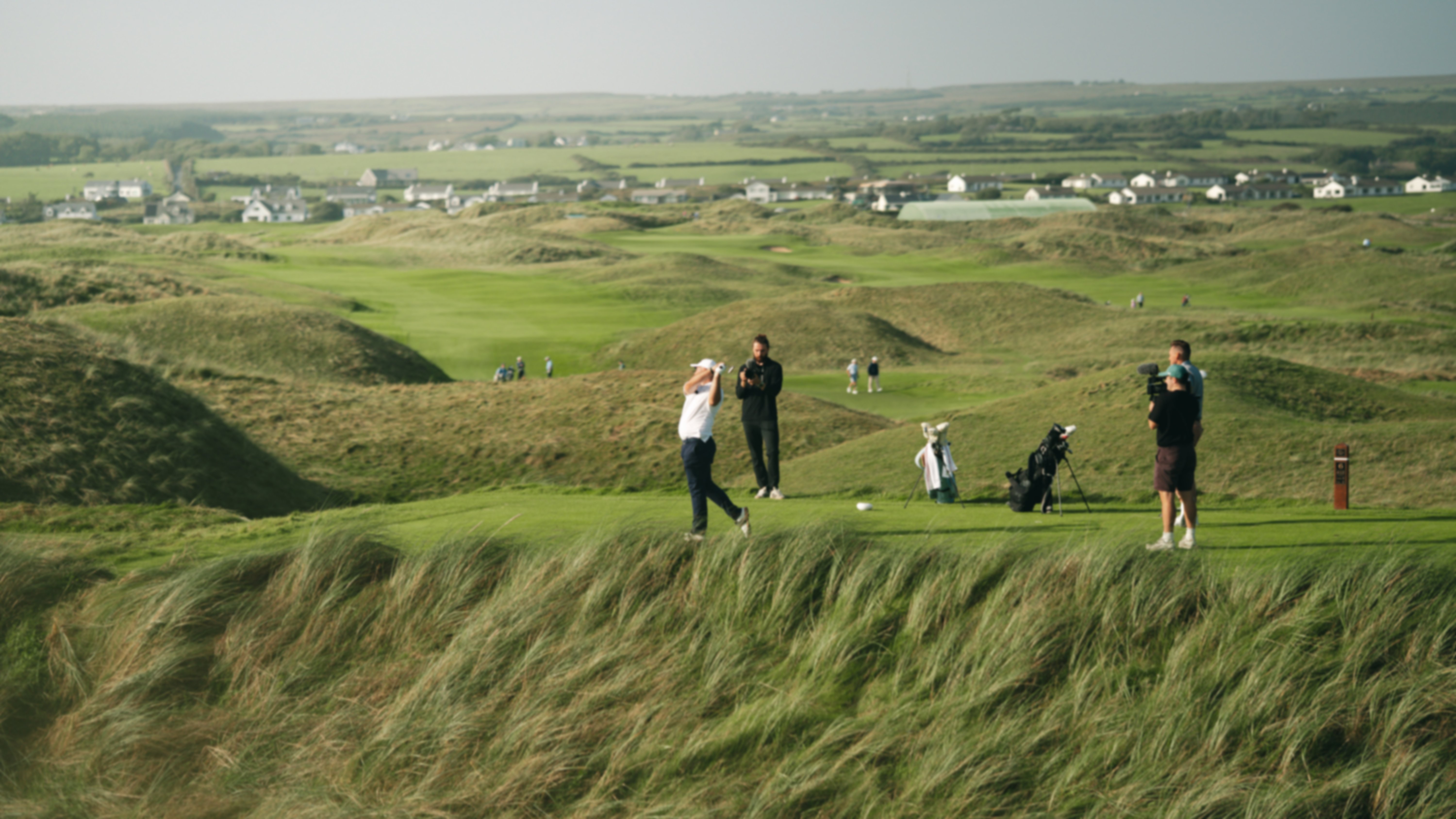
Lahinch Old Course
Back in Ballybunion, nobody fancied a formal dinner, so we ordered pizzas from a local spot and ate around the table at the house, reliving the blind shots and near-misses from the day.
Travel tip: On blind holes, trust the marker stones, commit to your line and enjoy the walk over the dune to see where your shot has finished.
It is hard to beat a two-minute stroll up the road to the first tee at Ballybunion in the morning. The Old Course has some of the largest sand dunes in Ireland and becomes more impressive as the round goes on. It is a demanding links, best suited to experienced golfers, and a favourite of five-time Open champion Tom Watson.
It is memorable from the first shot, with the opening tee shot played alongside a graveyard, which certainly focuses the mind.
The clubhouse is full of golf history, while the restaurant looks down over the 18th hole with the ocean behind. It is the perfect place to relive the round.
Behind the scenes: We spent the afternoon filming around Ballybunion. On your own trip, that free afternoon is ideal for a second round, a walk along the town’s beaches or an early evening in one of the local pubs.
Travel tip: Take a caddie if you can. Local knowledge makes a real difference on a course with this much movement.
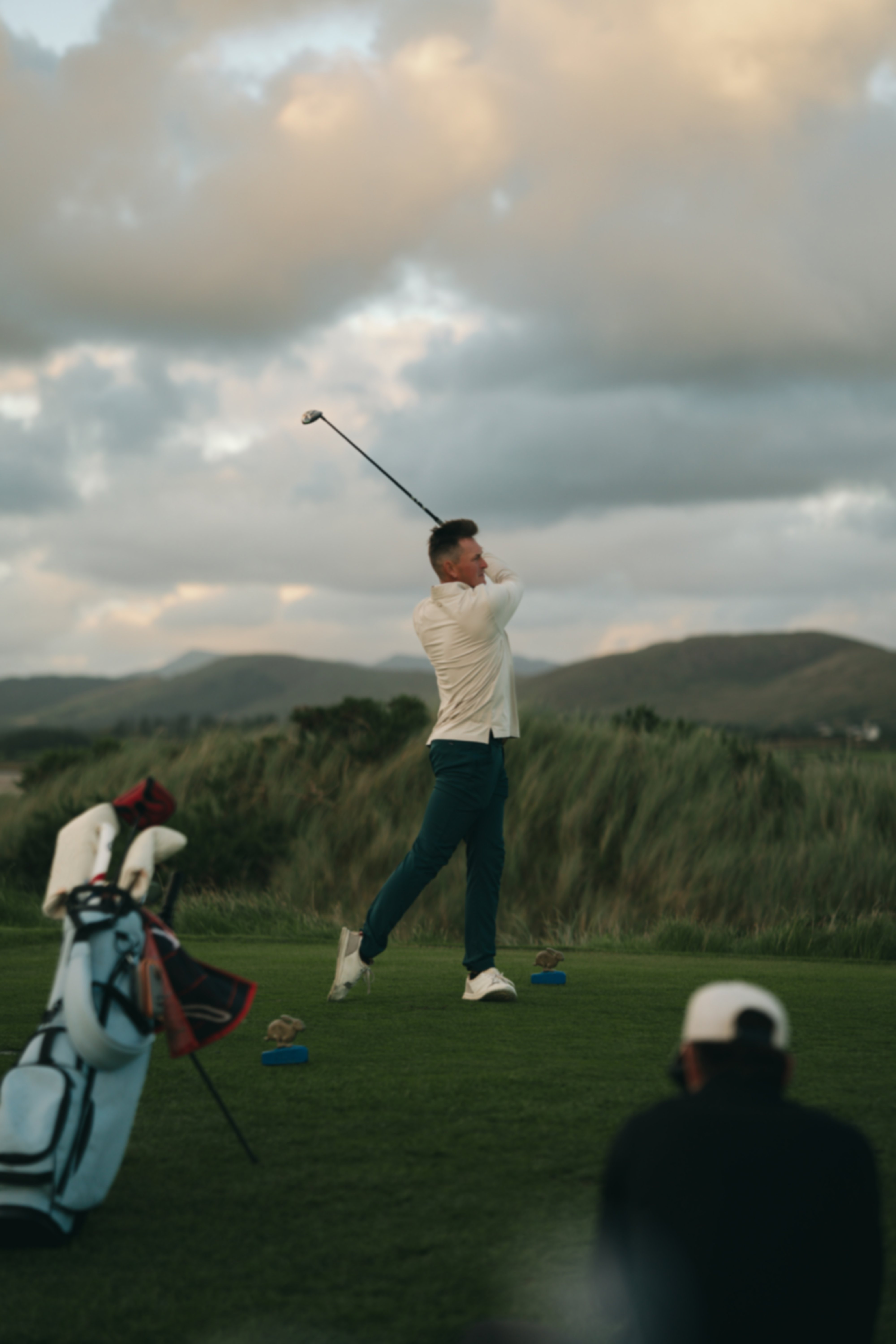
Ballybunion Golf club
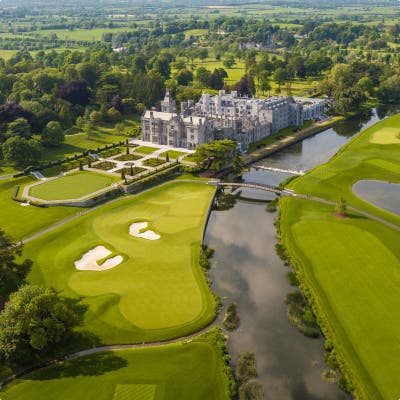
On our final morning in Ballybunion, we made the two-hour drive to the Dromoland estate, ancestral home of the O’Brien family for more than 1,000 years.
After lunch at The Fig Tree, the estate’s relaxed restaurant, we headed out for our final round. After a week of links golf, Dromoland’s parkland course was a welcome change of pace and exceeded all expectations.
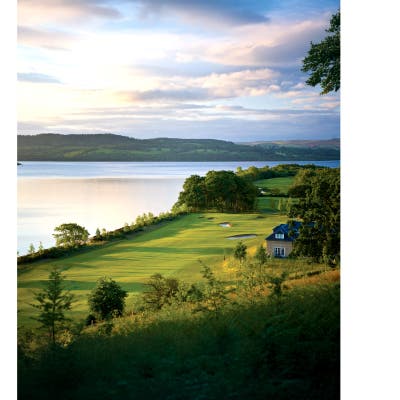
The course wraps around a lake beside the castle, was in superb condition and provided great views of the estate throughout. The standout hole is the downhill par-3 7th, with the castle and lake framing the green.
It is more forgiving than the links courses, making it ideal for a relaxed final round, mixed-ability groups or families.
Behind the scenes: Halfway round, a group of deer ran straight across the course in front of us. It would have been the perfect shot, but we couldn't get the cameras out in time. Some moments you just have to enjoy for yourself.
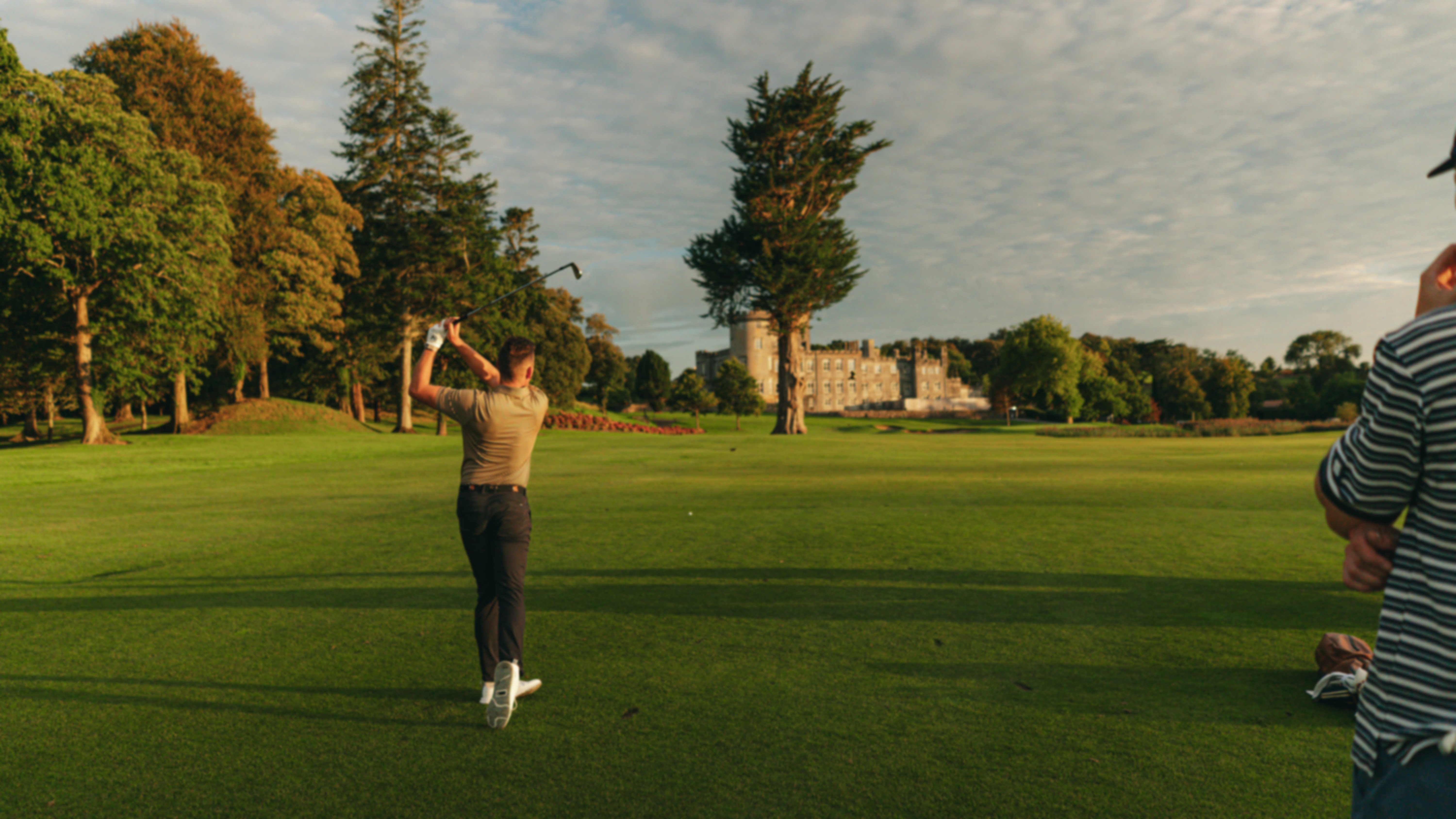
Dromoland Castle
We stayed at The Inn at Dromoland, a hotel on the estate with a traditional Irish pub, Shenanigans, offering a lower price point than the castle. For the farewell dinner, though, we went all out at Dromoland Castle.
Dinner in the Earl of Thomond restaurant, with incredible service and a harpist playing, was another highlight of the trip. It is perfect for couples, special occasions or anyone wanting to end their trip in style.
Travel tip: Make Dromoland your final stop. It is just eight miles from Shannon Airport.
After breakfast at The Inn at Dromoland, it was a short hop to the airport, with plenty of stories, hours of footage and a new appreciation for why golfers travel from all over the world to play here.
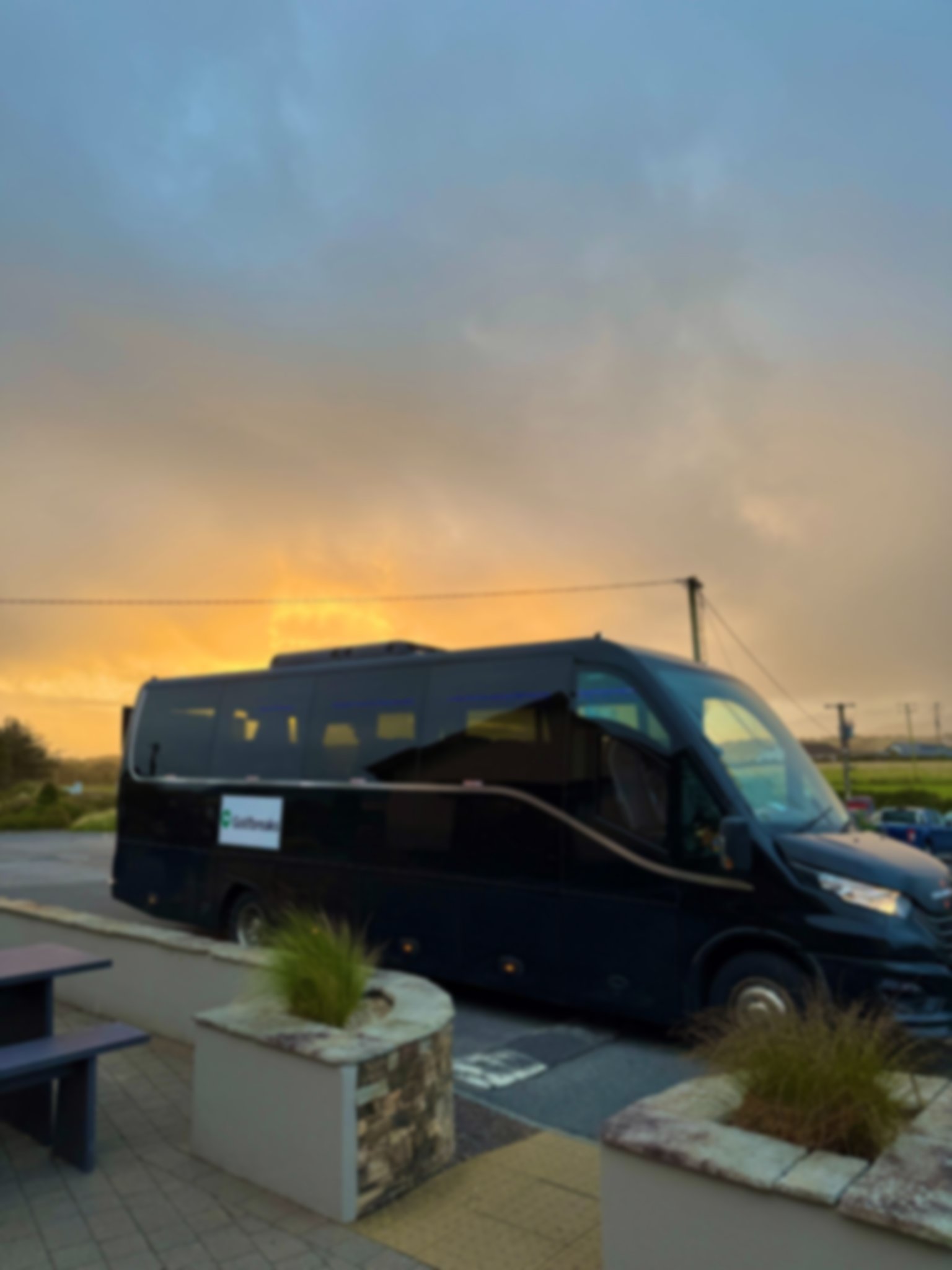
Alongside the golf, many of the group named the bus as one of the highlights. With ten people, clubs and filming kit, having the same comfortable coach and driver all week took the logistics off our hands.
We could leave our things on board, and our driver soon felt like part of the group. The bus also became the social heart of the trip, with anticipation on the way out and plenty of stories about the day’s best shots on the way back.
Travel tip: A private coach transfer is one of the best upgrades for a group trip, and Golfbreaks can arrange it all for you.
This was one of the easiest trips we have ever filmed. You could point a camera almost anywhere and capture something beautiful. Early and late tee times gave us quieter courses and some of the best sunsets we have seen on a golf trip, a trick worth borrowing for your own visit.
But the moments everyone remembers were not planned: the cows on the road to Dingle, the rain delay at Tralee that turned into a sunset, the deer at Dromoland, pizza night in Ballybunion and the warmth of the people we met everywhere.
The golf is the reason to go, but everything around it makes South West Ireland a proper experience.
South West Ireland delivers on every level, with famous links, dramatic coastal scenery, characterful towns and some of the warmest hospitality you will find anywhere.
Whether you are after a bucket-list tour of Ireland’s best-known courses or a relaxed week with friends, pubs and hidden gems, Kerry and Clare have plenty to offer.
We went to film it. You should go and play it.
Published 25 September 2026
Head of Partnerships and Brand Marketing
Proudly in partnership with


