.webp?auto=webp&width=880&height=495&disable=upscale&quality=75&fit=bounds)

.JPG?auto=webp&width=880&height=495&disable=upscale&quality=75&fit=bounds)






















The most underrated golf courses in the UK: according to golfers
Louisa Haskett
6 mins read
At Golfbreaks, authenticity and expertise have always been at the heart of what we do. A big part of that is keeping in touch with the people who know golf holidays best: the golfers taking them. Their experiences help us understand which courses live up to their reputation, which destinations offer the best value and which hidden gems deserve far more attention.
We recently asked our Facebook community to name the most underrated golf course they had played in the UK. Some of the nominations may already be familiar to keen golfers, but they are often overshadowed by more famous neighbours. Others are genuine hidden gems that remain largely unknown outside their local area.
From the most frequently mentioned course to the regional favourites that received one vote each, here are the UK golf courses our community believes deserve greater recognition.
Par: 72 | Yardage: 7,128 | Designer: Willie Park Jr | Good for: A distinctive blend of links and heathland golf | Top 100 Golf Courses UK ranking: 39th | Mentions: 3
Receiving more mentions than any other course, Formby Golf Club was the clear favourite among the golfers we asked. One golfer simply nominated “Formby”, while another described it as an “awesome championship golf course”.
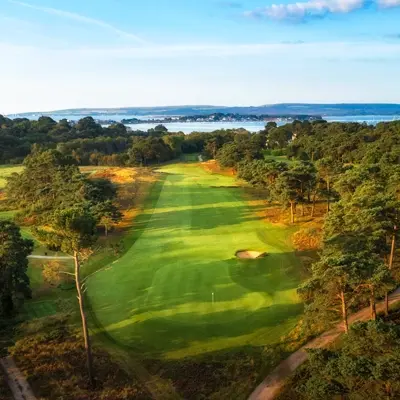
Set among the famous links courses along England’s Golf Coast, Formby combines towering pine trees and patches of heather with the firm turf and natural dunes associated with traditional coastal golf. This unusual blend gives the course a character of its own, feeling sheltered and intimate in places before opening into more exposed stretches.
Designed by two-time Open Champion Willie Park Jr, the layout places a strong emphasis on positioning. Doglegs, blind shots, strategically placed bunkers and undulating greens mean golfers must think carefully about where to leave the ball from the tee.
The ninth is regarded as one of the course’s toughest holes, while the short par-three 16th proves that length is not always required to create a demanding challenge. With several teeing options, Formby can provide a championship-level test without being inaccessible to visiting golfers.
Formby Golf Club
Par: 71 | Yardage: 7,023 | Architectural influence: Herbert Fowler, Harry Colt and Alister MacKenzie | Top 100 Golf Courses UK ranking: 61 | Mentions: 2
Two golfers selected Burnham & Berrow Golf Club, with one saying it was their choice “without doubt”.
Located on the Somerset coast, the Championship Course follows a traditional out-and-back routing. The opening holes travel north alongside the dunes before the course turns inland and heads back towards Burnham-on-Sea.
The layout has evolved through the work of several influential architects, including Herbert Fowler, Harry Colt and Alister MacKenzie. Its natural dunes, deep bunkers and changing coastal winds create a strategic test where golfers must control both their ball flight and positioning.
The course is particularly demanding when the wind blows across the Bristol Channel. Long par fours, well-protected greens and difficult approaches reward patient course management, while its exposed coastal setting gives each round a slightly different character. Burnham & Berrow has also hosted Final Qualifying for The Open, underlining the quality and difficulty of the layout.
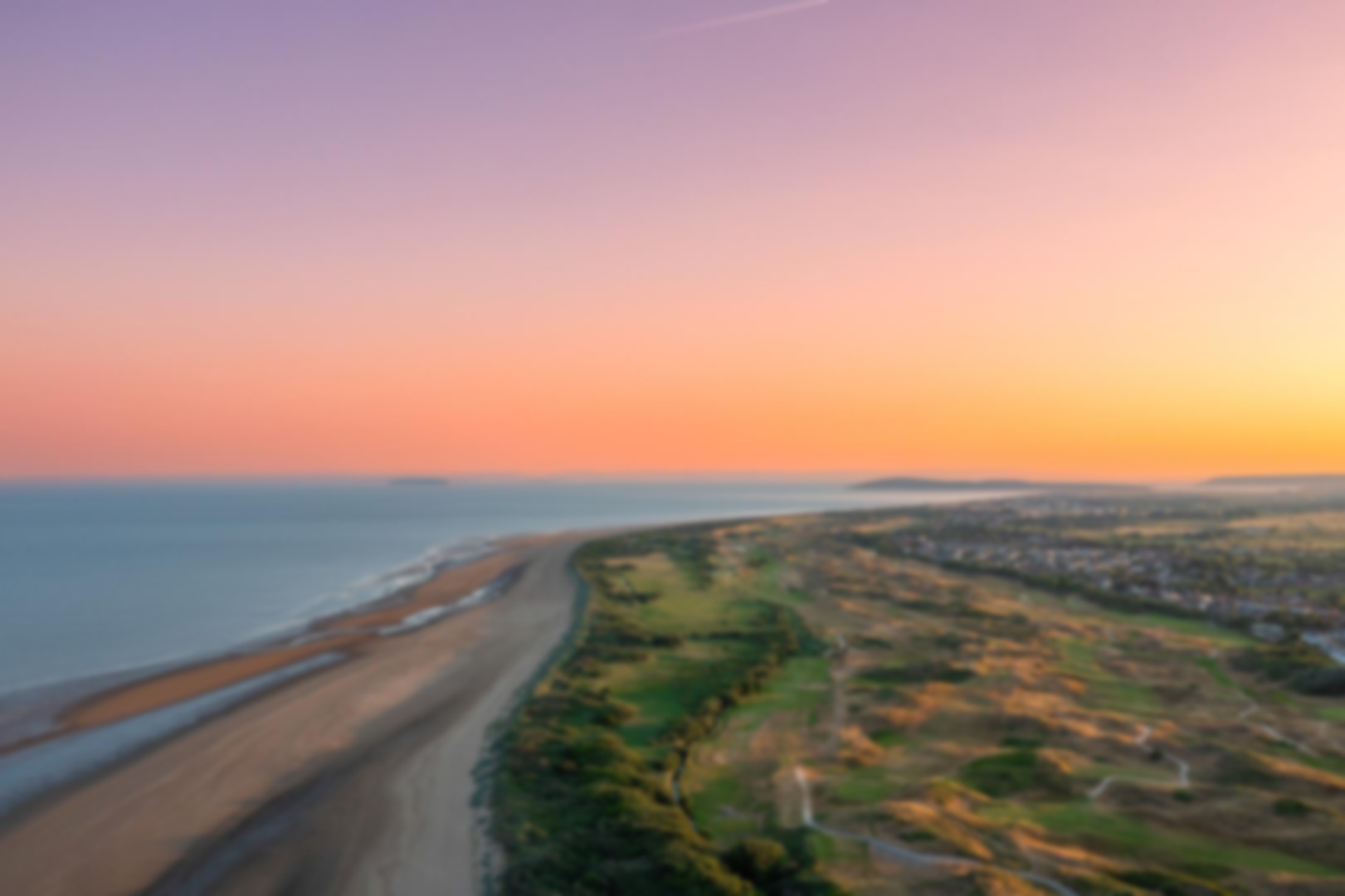
Burnham & Berrow
Par: 71 | Yardage: Approximately 6,400 | Designer: Old Tom Morris, with later influence from Alister MacKenzie | Top 100 Golf Courses England ranking: 88 | Mentions: 2
Two golfers nominated Cleeve Hill, a historic course occupying one of the highest points in the Cotswolds.
Originally laid out by Old Tom Morris in 1891, the course stretches across exposed common land rather than carefully manicured parkland. Natural slopes, limestone terrain, old quarries and changing winds all contribute to the challenge, giving it the feel of an inland links.
The elevated setting provides far-reaching views across the Severn Valley, Gloucestershire countryside and towards the Welsh mountains. Sheep may be grazing close to the fairways, while walkers share parts of the common, adding to the relaxed and traditional atmosphere.
Cleeve Hill is not excessively long, but the uneven ground and exposed conditions make club selection difficult. Golfers must use the natural contours, judge unpredictable bounces and find the correct sections of the greens. It is an imaginative course that rewards creativity more than power.
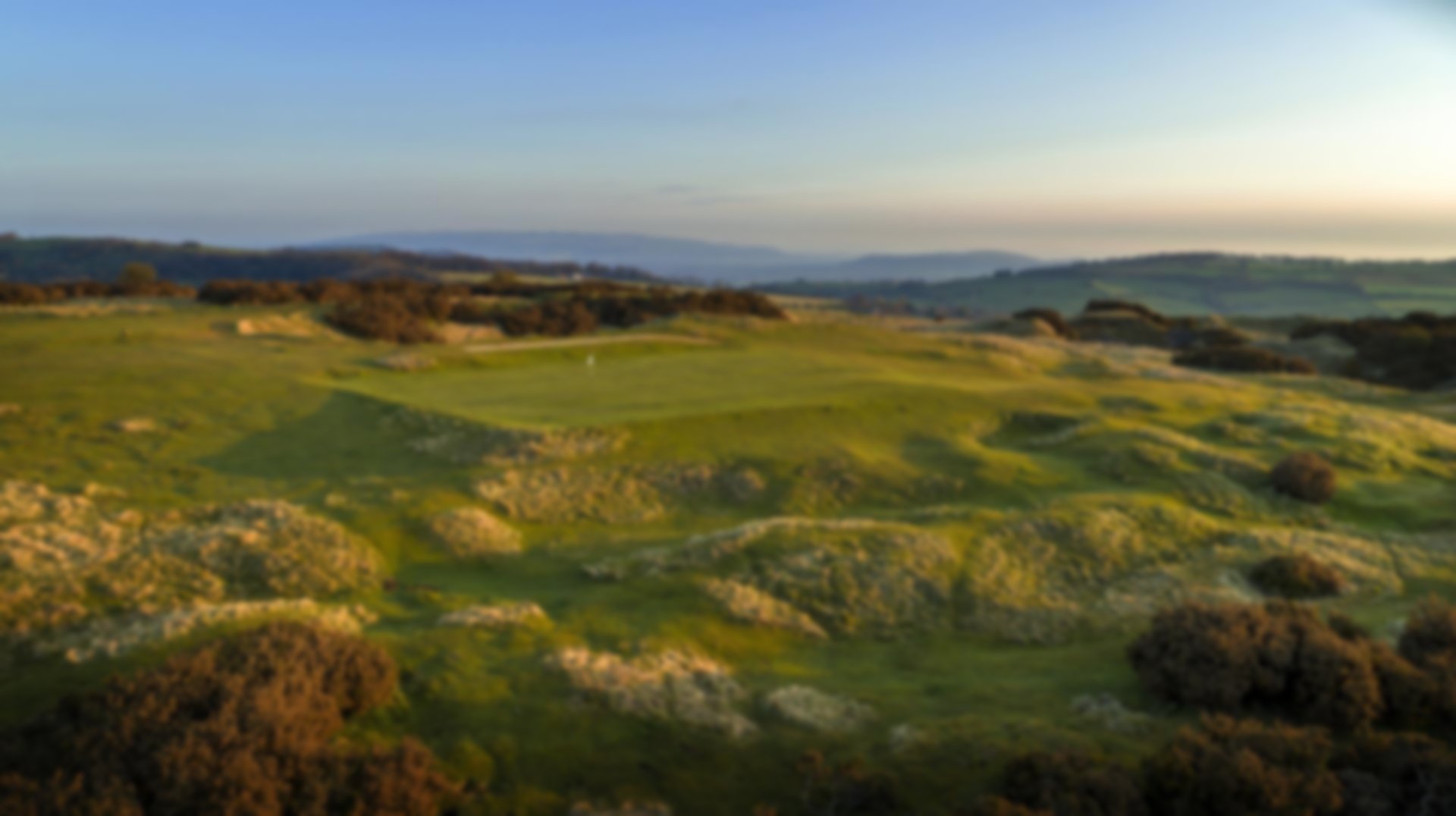
Cleeve Hill
Par: 70 | Yardage: 6,275 | Designers: James Braid and Ben Sayers | Top 100 Golf Courses Ediburgh ranking: 20 | Mentions: 2
Known locally as North Berwick’s East Links, Glen Golf Club received two votes, with both golfers referring to it simply as “The Glen”.
It is sometimes overshadowed by the famous West Links at North Berwick, but The Glen offers a memorable coastal experience of its own. Much of the course occupies elevated ground above the shoreline, producing uninterrupted views across the Firth of Forth towards Bass Rock, Fidra and the coastline of Fife.
James Braid and Ben Sayers were responsible for extending the original nine-hole layout to 18 holes in 1906. Although relatively short by modern standards, its exposed position, coastal winds, changes in elevation and wispy rough provide plenty of defence.
The signature par-three 13th, known as the Sea Hole, plays beside the rocky coastline and is one of the most photographed holes in East Lothian. The round ends with another memorable moment at Jacob’s Ladder, where the elevated 18th tee provides a dramatic downhill finish towards the clubhouse.

Glen Golf Club
Par: 71 | Yardage: 7,000+ yards | Original layout: Fred Morris | Top 100 Golf Courses UK ranking: 43rd | Mentions: 2
One golfer argued that Western Gailes Golf Club should sit higher in the leading course rankings, while another named it alongside Brora as one of Scotland’s golfing gems.
Established in 1897, Western Gailes occupies a narrow stretch of linksland between the Ayrshire coastline and the railway. The unusual routing forms a continuous loop, with the course changing direction and exposing golfers to different wind conditions throughout the round.
Undulating fairways, deep bunkers, natural dunes and three burns shape the strategy of the course. Many of its greens sit in bowls or natural hollows, sometimes gathering an approach while also making the putting surfaces difficult to read.
The sixth and seventh are widely considered two of its standout holes, while the par-four 17th provides a formidable challenge near the end of the round. With Royal Troon, Dundonald Links and several other leading courses nearby, Western Gailes can occasionally be overlooked, but it belongs on any serious Ayrshire golf itinerary.
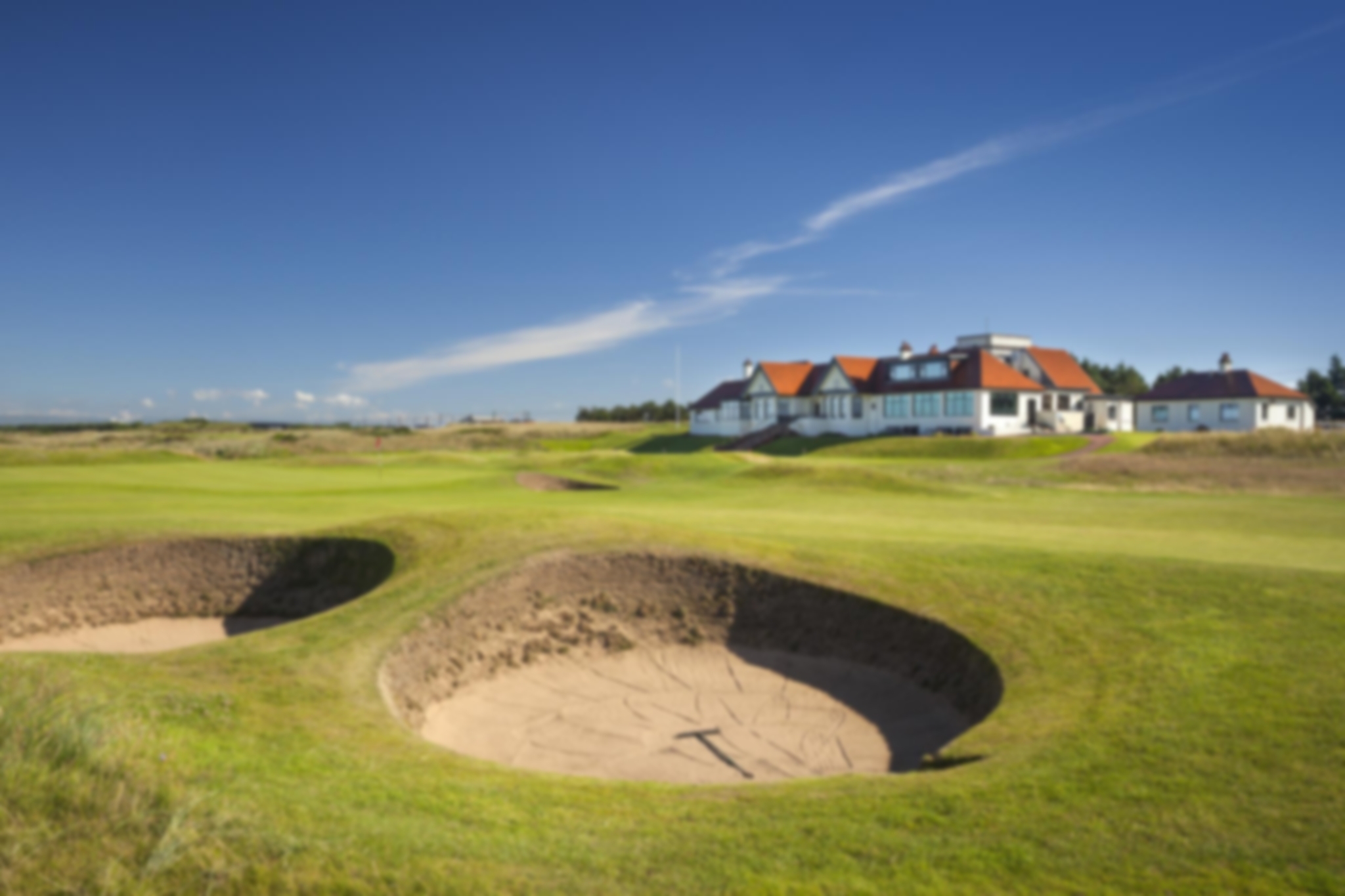
Western Gailes Golf Club
Par: 68 | Yardage: 6,351 | Designers: Guy Campbell, C.K. Hutchison and S.V. Hotchkin | Top 100 Golf Courses England ranking: 11th | Mentions: 2
Also known as Pulborough, West Sussex Golf Club received two votes despite already being recognised as one of England’s finest inland layouts.
Opened in 1931, the course is set across sandy heathland surrounded by mature woodland and colourful heather. Its peaceful location and understated presentation give it a traditional character, with very few distractions from the golf itself.
At 6,351 yards and a par of 68, West Sussex demonstrates that a course does not need extreme length to provide a serious test. Carefully positioned bunkers, narrow playing angles and firm greens place a premium on accuracy and intelligent course management.
The collection of par threes is particularly impressive. The long sixth is one of the most recognisable holes, requiring a committed shot towards a well-protected green. Throughout the course, golfers are encouraged to use the natural contours and approach greens from the correct side of the fairway.
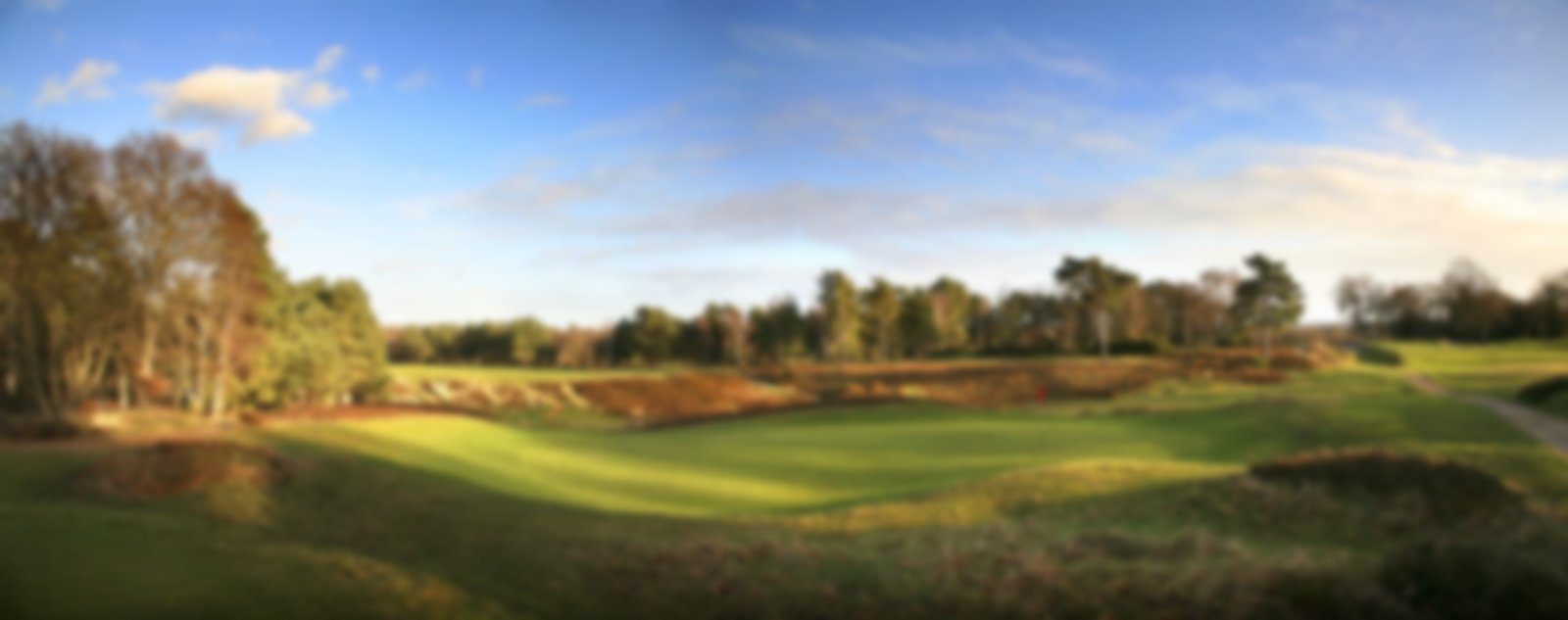
West Sussex Golf Club
Beyond the most frequently mentioned courses, several other layouts stood out among the responses.
.jpg?auto=webp&disable=upscale&blur=3&fit=bounds)
Ardglass Golf Club
Notts Golf Club (Hollinwell)

St Mellion Nicklaus Course
The responses show that an underrated golf course does not necessarily have to be unknown. Courses such as Formby, West Sussex and Burnham & Berrow already feature prominently in national rankings, yet golfers still believe they deserve more attention alongside the UK’s most famous championship venues.
Formby was the clear favourite, with golfers praising its championship quality and distinctive combination of pine-framed heathland and traditional links terrain. Western Gailes and Burnham & Berrow also demonstrate the depth of links golf available beyond the courses that regularly host The Open.
Q: What was voted the most underrated golf course in the UK? A: Formby Golf Club received the most mentions from the golfers we asked, with three separate votes. Burnham & Berrow, Cleeve Hill, Glen Golf Club, Western Gailes and West Sussex each received two mentions.
Q: What makes a golf course underrated? A: An underrated course is not necessarily unknown or absent from major rankings. It may receive less publicity than neighbouring venues, offer better value than more famous courses or provide a playing experience that golfers feel exceeds its wider reputation.
Q: Which parts of the UK have the most underrated golf courses? A: Scotland received the widest variety of nominations, with courses selected across Ayrshire, Fife, the Highlands, Aberdeen, Dundee and Dumfries and Galloway. England’s South West, South East and North West also featured strongly.
Q: Are underrated golf courses suitable for golf holidays? A: Yes. Many of the nominated courses are close to established golf destinations and can be combined with better-known venues. For example, Formby and Southport & Ainsdale can be included on an England’s Golf Coast trip, while Panmure and Downfield can complement a visit to Carnoustie.
Q: Are underrated golf courses usually more affordable? A: Some lesser-known courses offer excellent value compared with nearby championship venues, although prices vary depending on the course, season and day of the week. Highly ranked courses such as Formby and West Sussex may still command premium green fees.
Q: When is the best time to play golf in the UK? A: The main golf season generally runs from April to October, when daylight hours are longer and conditions are typically more favourable. Links courses often remain playable throughout the year, while golfers travelling in spring or autumn may find quieter tee times and better-value packages.
Q: How far in advance should I book a UK golf trip? A: Popular courses can fill their visitor tee times several months in advance, particularly between May and September. Booking early is recommended when combining several well-known courses or travelling with a larger group. Golfbreaks can arrange accommodation and tee times as part of one package.

Published 25 August 2026
Marketing Assistant
Proudly in partnership with