
.webp?auto=webp&width=880&height=495&disable=upscale&quality=75&fit=bounds)

.webp?auto=webp&width=880&height=495&disable=upscale&quality=75&fit=bounds)



.JPG?auto=webp&width=880&height=495&disable=upscale&quality=75&fit=bounds)

























The four major championships are the pinnacle of golf, but experiencing them in person is something else entirely. From the immaculate fairways of Augusta to the unpredictable coastal winds of The Open, each major offers a completely different atmosphere, tradition and fan experience.
Whether it’s your first tournament or a long-awaited bucket-list trip, this fan guide breaks down what makes each major special, along with practical tips on when to go, where to stand and how to make the most of your visit.
The Masters (April)
Best for: tradition, beauty and a true bucket-list experience Location: Augusta National, Georgia | Walking level: Moderate with some elevation changes | Demand: Extremely high
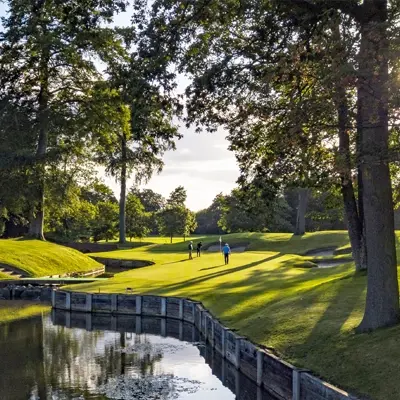
There’s nothing quite like the Masters. One of the most exclusive venues in sport is Augusta National, and from the moment you walk through the gates, everything feels deliberate, polished and steeped in history. The fairways are immaculate, the colours almost look unreal, and the atmosphere carries a quiet sense of anticipation that builds throughout the day.
It’s a tournament that feels different by design. With no mobile phones allowed and a strong focus on tradition, the experience is refreshingly uninterrupted. You’re fully immersed in the golf, the course and the moments that unfold, with only a few dedicated opportunities to capture it on camera.

What makes it special for fans?
- Built around detail, from the immaculate course to the iconic green jacket
- A timeless feel, with touches like low-cost food and traditional scoreboards
- No phones allowed, creating a quieter, more immersive atmosphere
- Roars travel across the course, making big moments feel even more powerful
Explore our top recommendations on things to do here.
Where to watch? Augusta rewards a bit of planning. Start your day by walking a few holes to take in the elevation changes and understand the layout, it always plays differently than it looks on TV.
From there, choose a base for the afternoon. Many fans head to Amen Corner, but spots fill quickly. Alternatively, position yourself at 15 or 16 where you can see risk-reward golf and dramatic swings in momentum. The key is balance. Move early, settle later, and let the leaderboard guide your decisions.

Best viewing spots:
- Amen Corner (11, 12, 13): The most iconic stretch in golf, with natural viewing areas and constant drama
- 16th hole: Especially during practice rounds, where players often entertain the crowd
- 15th green: A great spot for watching bold approach shots and potential eagles
- Grandstands at key holes: Ideal if you want a more fixed, comfortable viewing experience
Check out our tips on what day to attend the Masters here.
Insider tips:
- Get in early: Gates open early and it’s worth making the most of the quieter morning hours
- Use the chair system: You can place your chair at a spot and return later, a unique and trusted tradition
- Shop early: The merchandise shop gets busy quickly and popular items sell out
- Try the food: Affordable, classic and part of the Masters experience
- Capture the moment: Cameras are allowed during practice days (Monday to Wednesday), so many visitors bring disposable or compact cameras. Throughout the week, you can also queue at Founders Circle for a professional photo taken by official photographers, a great souvenir from Augusta.
Discover everything you need to know about the Masters.
What catches people out: The no-phone policy is the biggest adjustment for many visitors. You can’t check scores or contact friends easily, so it’s worth planning meeting points in advance.
The course also has more elevation than expected. Walking the full day can be tiring, especially in warmer conditions, so pacing yourself is important.
PGA Championship (May)
Best for: relaxed atmosphere and world-class golf Location: Rotating venues across the US | Walking level: moderate to high depending on the venue | Demand: high, but generally easier to attend than other majors
The PGA Championship offers a slightly different kind of major experience. While it still delivers world-class golf and dramatic moments, it does so in a way that feels more open, energetic and accessible for fans.
With a rotating lineup of top-tier courses across the United States, no two PGA Championships feel quite the same. What remains consistent is the atmosphere, lively crowds, strong leaderboards and a sense that you can get closer to the action than at any other major. It also creates a great opportunity to turn your trip into a wider US golf experience, whether that’s exploring nearby courses or planning a longer road trip around the host destination.
.jpg?auto=webp&disable=upscale&blur=3&fit=bounds)
PGA National
What makes it special for fans?
- A balance of elite competition and a more relaxed, fan-friendly atmosphere
- Fewer restrictions, making it easier to move around and follow groups
- Great access to players and key moments throughout the course
- Rotating venues each year, offering a mix of top courses and fresh experiences
Where to watch? The PGA Championship is one of the easiest majors to navigate, which makes it perfect for a more flexible viewing strategy.
Start by following a group for a few holes in the morning, especially if you want to see multiple top players up close. As the day progresses, move towards high-traffic areas like reachable par 5s or drivable par 4s where momentum can shift quickly.
In the afternoon, settle near a key hole or along the closing stretch to take in the atmosphere as the leaders come through.

PGA National
Best viewing spots
- Drivable par 4s: Great for potential big moments and crowd reactions
- Par 5s: Risk-reward holes where scoring swings happen
- Practice areas: A chance to see players preparing up close
- Final holes: Ideal for soaking up the energy as the tournament reaches its climax
Insider tips
- Arrive early but stay flexible: The course is easier to move around, so take advantage of it
- Follow the crowds strategically: Big groups attract attention, but quieter groups can offer better viewing
- Check the course layout in advance: Each venue plays differently, so a bit of planning helps
- Use the PGA Tour app: Unlike some other majors, you can use your phone on-site, making it easy to track scores, tee times and player locations throughout the day
- Take advantage of food and fan zones: These are often more developed than at other majors
What catches people out: The scale of the venue can vary significantly from year to year. Some courses are more spread out than expected, meaning longer walks between key holes.
Because it feels more relaxed, it’s easy to underestimate how much ground you’ll cover in a day. Comfortable footwear and a loose plan make a big difference.
The US Open (June)
Best for: intensity, challenge and unforgettable drama Location Challenging courses in the US | Walking level: High | Demand: Very high
The US Open is golf at its most demanding. Known for its punishing setups, narrow fairways, thick rough and lightning-fast greens, it pushes the world’s best players to their limits and creates a level of tension that’s felt across the entire course.
For fans, that translates into a gripping, often unpredictable experience. Pars are hard-earned, mistakes are magnified and momentum can shift quickly. It’s a major where you don’t just watch great golf, you feel the pressure with every shot.

Oakmont Country Club
What makes it special for fans?
- The toughest test in golf, with brutally challenging conditions
- A focus on survival, where pars matter and birdies feel significant
- A real appreciation for precision and course management
- Unpredictable leaderboards, with momentum shifting throughout the day
- High tension that builds from the first round to the final putt
Where to watch? The US Open rewards patience and positioning. Early in the day, walk the course and follow a group to get a feel for how players are tackling the layout. Pay attention to where mistakes are happening, this often tells you where the best viewing spots will be later.
In the afternoon, position yourself near a green or along the closing stretch. Watching approach shots into firm, fast greens gives you a real sense of the challenge, and staying in one place later in the day helps you follow the unfolding leaderboard.

Streamsong Black Course
Best viewing spots:
- Greens: The best place to understand the difficulty, especially as players battle for par
- Challenging par 4s: Where precision is tested and mistakes are common
- Closing holes: Ideal for following the final groups and soaking up the tension
- Natural elevation points: Where available, these offer wider views across multiple holes
Insider tips:
- Plan your route: US Open venues are often large, so moving efficiently saves time and energy
- Arrive early: Security, transport and entry can take longer than expected
- Stay hydrated and paced: Long days and challenging terrain can catch people out
- Use leaderboards: They’re key to knowing where the action is building
What catches people out: The physical demands of the day are often underestimated. Larger venues, longer walks and hotter conditions can make it one of the more tiring majors to attend.
The pace of play can also feel slower due to the difficulty of the course, but that’s part of what builds the tension and drama over the course of the round.
The Open Championship (July)
Best for: atmosphere, links golf and travel appeal Location: UK links courses | Walking level: Moderate to high across uneven terrain | Demand: High
Golf’s original championship delivers one of the most distinctive experiences in sport. Played across a rotation of historic links venues in the UK, The Open is set against rugged coastlines and rolling dunes, making it as much about the environment as it is about the golf. The sound of the wind, the smell of the sea air and the ever-changing conditions create a tournament that feels alive from the first tee shot to the final putt.
It’s a major that rewards exploration. Unlike more enclosed venues, links courses open themselves up to spectators, offering wide sightlines, natural vantage points and the freedom to take in the action from multiple angles throughout the day.

The 146th Open Championship
What makes it special for fans?
- A social, atmospheric feel with fans moving across the course
- Natural viewing from dunes and fairways, creating wide, open sightlines
- Big moments ripple through the crowd before you even see them
- Weather plays a major role, changing conditions throughout the day
- A unique mix of relaxed surroundings and high-stakes drama
Where to watch? The Open is best experienced by combining movement with a well-chosen base. Start your day walking a few holes with a group to get a feel for how the course is playing. Then pick a natural vantage point, often a dune or elevated area, where you can watch multiple holes at once.
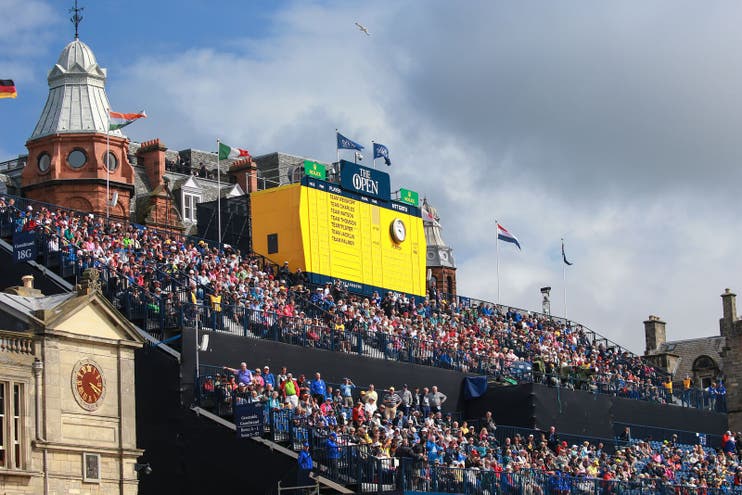
Later in the day, head towards the closing stretch and settle in. The grandstands around 18 offer a classic finish, but areas around 16 and 17 often provide just as much drama with slightly more space.
Previous experience tip: Sunday offers one of the best atmospheres in golf. If you want a spot near 16, 17 or 18, arrive early and commit to it. Discover the answers to our frequently asked questions about The Open here.

The Open
Best viewing spots:
- Elevated dunes for panoramic views across several holes
- Par 3s for close-up action and crowd energy
- The final stretch, especially 16 through 18, for atmosphere and defining moments
Insider tips:
- Dress for everything: Waterproofs, layers and sun protection are all essential in the same day
- Use public transport: Trains and shuttle systems are usually far easier than driving
- Keep moving early, settle later: You’ll see more of the course without fighting crowds
- Arrive early on Sunday: Prime spots fill quickly, especially near the finish
For more insider tips, check out our article on why you should attend The Open with Golfbreaks.
What catches people out: The weather is the biggest factor. Even in July, conditions can change quickly, and being underprepared can impact your whole day. The terrain can also be more demanding than expected, with uneven ground and longer walks between holes.
Planning your major experience
Attending a major takes a bit of preparation, but getting it right makes all the difference.
- When to book - Demand is high across all four majors, so booking at least six to twelve months in advance is recommended, particularly for accommodation.
- What to expect on-site - Expect large crowds, plenty of walking and full days on the course. Comfortable footwear and a flexible plan will go a long way.
- What to pack - Weather can vary depending on location, but layers are always a good idea. Sunscreen, waterproofs and portable chargers can all come in handy.
- Making the most of your day - Arrive early, plan a few key viewing spots and allow time to explore. Each major rewards fans who take the time to experience the course rather than staying in one place.
FAQs
Q: How far in advance should I book a trip to a major? A: It’s best to book at least 6–12 months in advance. Demand for tickets and accommodation is high, especially for the Masters and The Open, where availability can be very limited closer to the event.
Q: Which day is best to attend a major golf tournament? A: It depends on the experience you want. Practice rounds and early tournament days are great for exploring the course and getting close to players, while weekend days offer the best atmosphere and most drama.
Q: Can you follow players around the course? A: Yes, at most majors you can walk the course and follow groups, particularly earlier in the day. As crowds build, many fans choose to stay in one spot to watch more players come through.
Q: What should I wear to a golf tournament? A: Comfort is key. Wear comfortable shoes as you’ll be walking a lot, and dress for the weather. Layers are recommended, especially at The Open where conditions can change quickly.
Q: Are phones allowed at golf majors? A: Policies vary by tournament. Phones are never allowed at the Masters, you can check them in at the gate, and collect upon departure. Other majors typically do, though usage may be restricted in certain areas.
Q: How much walking is involved? A: Expect to be on your feet for most of the day, for example, Augusta has more hills than you may expect! Major venues are large, and walking several miles is common, particularly at the US Open and The Open.
Q: Can I play golf during my trip? A: Absolutely. Many major venues are located near excellent golf destinations, making it easy to combine spectating with playing a few rounds during your trip.
Final thoughts
Each major offers a completely different way to experience the game, from the traditions of Augusta to the raw, coastal drama of The Open. Whether you’re drawn by the atmosphere, the setting or the level of competition, attending a major in person is something every golf fan should experience at least once.
With the right planning, and the right support, it can become far more than just a tournament visit, but a truly unforgettable golf trip.
.jpg?auto=webp&width=150&height=150&disable=upscale&blur=1&fit=bounds)
Published 26 March 2026
Head of Tourmanents
Head of Tournaments, specializing in tournaments at Golfbreaks since 2018.
Related articles






About Golfbreaks
Speciality holiday types
Popular golf destinations


Proudly in partnership with


