
.webp?auto=webp&width=880&height=495&disable=upscale&quality=75&fit=bounds)



.JPG?auto=webp&width=880&height=495&disable=upscale&quality=75&fit=bounds)



















When choosing a golf holiday, most golfers weigh up a similar set of factors. How easy is it to get there? How many quality courses are nearby? What is the pedigree of the layouts? What is the atmosphere like once the round is over?
At first glance, Scotland and Ireland may seem quite similar. Both are steeped in golfing history and widely regarded as bucket-list destinations. However, while they share many strengths, each offers a distinct style of golf trip that can appeal to different types of travellers.
For UK golfers in particular, both destinations are easily accessible and packed with world-renowned courses, making them ideal for anything from short breaks to extended tours. Yet the experience on and off the course can vary in subtle but important ways.
To help you decide, we have broken Scotland and Ireland down into the key categories that matter most when planning a golf trip. Below, you will find a clear side-by-side comparison covering travel, course styles, off-course experiences and overall atmosphere.
Why choose Scotland or Ireland for your next golf holiday
Both Scotland and Ireland offer compelling reasons to book your next golf trip:
- Easy access from the UK, with short flights, ferries or even domestic travel options
- Home to 8 (Ireland) and 12 (Scotland) of the world's Top 100 Golf Courses
- A wealth of world-class courses, including many of the game’s most iconic layouts
- Dramatic coastal scenery alongside rolling countryside and historic landscapes
- Accommodation ranging from luxury resorts to traditional hotels and guesthouses
- Rich golfing heritage and deep-rooted traditions
- Memorable off-course experiences, from local culture to post-round hospitality
- Ideal for both short breaks and extended, bucket-list golf tours
With so much on offer, the right choice ultimately comes down to the type of golf trip you are looking for.
Not sure which to choose?
This side-by-side guide highlights what each destination is known for, helping you plan a golf holiday that perfectly matches your style.
Getting there and trip planning
Before focusing purely on the golf itself, it is worth considering the practical factors that shape your overall experience. Travel time, logistics, trip style and how easily you can move between courses all play a key role.
Here is how Scotland and Ireland compare:
Accessibility from the UK
Both destinations are extremely easy to reach, making them ideal for UK-based golfers.
Scotland: Scotland is one of the most convenient golf destinations, particularly for UK travellers. Many regions can be reached by car, while domestic flights and rail links connect major cities such as Edinburgh, Glasgow and Aberdeen. This makes it easy to travel with your own clubs and plan flexible itineraries.
Ireland: Ireland is also highly accessible, with regular short flights from across the UK into Dublin, Belfast, and Cork. Ferry routes are available if you prefer to travel with your own car and clubs, though most trips involve flying and hiring a car to reach coastal courses.
The Highlands
Climate and best time to visit
Both destinations are known for their golf conditions, though the weather plays a defining role in the experience.
Scotland: Scotland offers classic links conditions, with wind often a factor, particularly along the coast. The main golf season runs from late spring to early autumn, when daylight is long and courses are at their best. Due to its northern location, Scotland enjoys particularly long summer days, making it ideal for fitting in multiple rounds and maximising time on the course.
Ireland: Ireland shares a similar climate, with changeable weather and wind adding to the challenge, especially on links courses. Late spring through early autumn is the most popular time to visit, offering the best balance of conditions and daylight.
In short, both deliver authentic, weather-influenced golf, with Scotland often benefiting from slightly longer summer playing days.

Adare Manor
Different holiday types
While both destinations cater to a wide range of golfers, they naturally suit slightly different styles of trip.
Scotland: Scotland is perfect for both short breaks and longer tours. Regions such as St Andrews, East Lothian and Ayrshire offer clusters of courses within easy reach, making it ideal for multi-round trips without extensive travel.
Ireland: Ireland is often better suited to longer, more immersive golf trips. Many of the most famous courses are spread across different regions, encouraging road trips and extended itineraries that take in multiple coastal areas.
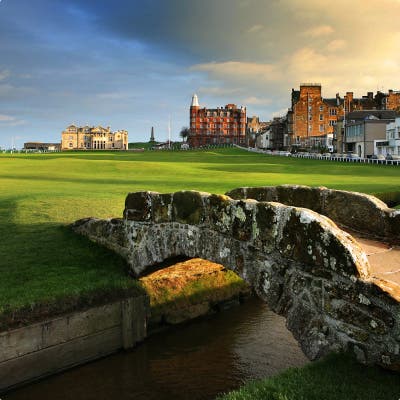
St Andrews
Ease of planning multi-course trips
How easily you can move between courses can shape your overall experience.
Scotland: One of Scotland’s biggest strengths is its concentration of courses within key regions. Areas such as St Andrews, East Lothian and Ayrshire feature multiple high-quality layouts within a short drive of each other. This makes it easy to create a varied itinerary while keeping travel time to a minimum, ideal for both short breaks and multi-round trips.
Ireland: Ireland offers incredible variety, but courses are often more spread out. While regions like Southwest Ireland and Northern Ireland provide strong clusters, many itineraries involve longer scenic drives between venues. This adds to the sense of adventure and makes Ireland perfect for memorable golf road trips.
Looking for inspiration? Discover Ireland’s Wild Atlantic Way, a spectacular coastal route stretching over 1,600 miles along the west coast, combining dramatic scenery with world-class courses and unforgettable golf experiences.
Or alternatively, check out our Iconic Scottish East Coast Adventure where historic fairways and breathtaking coastal landscapes await. This 5-night luxury bucket-list golf tour takes you to two of Scotland's premier golf destinations, offering an unforgettable blend of world-class courses and refined hospitality.
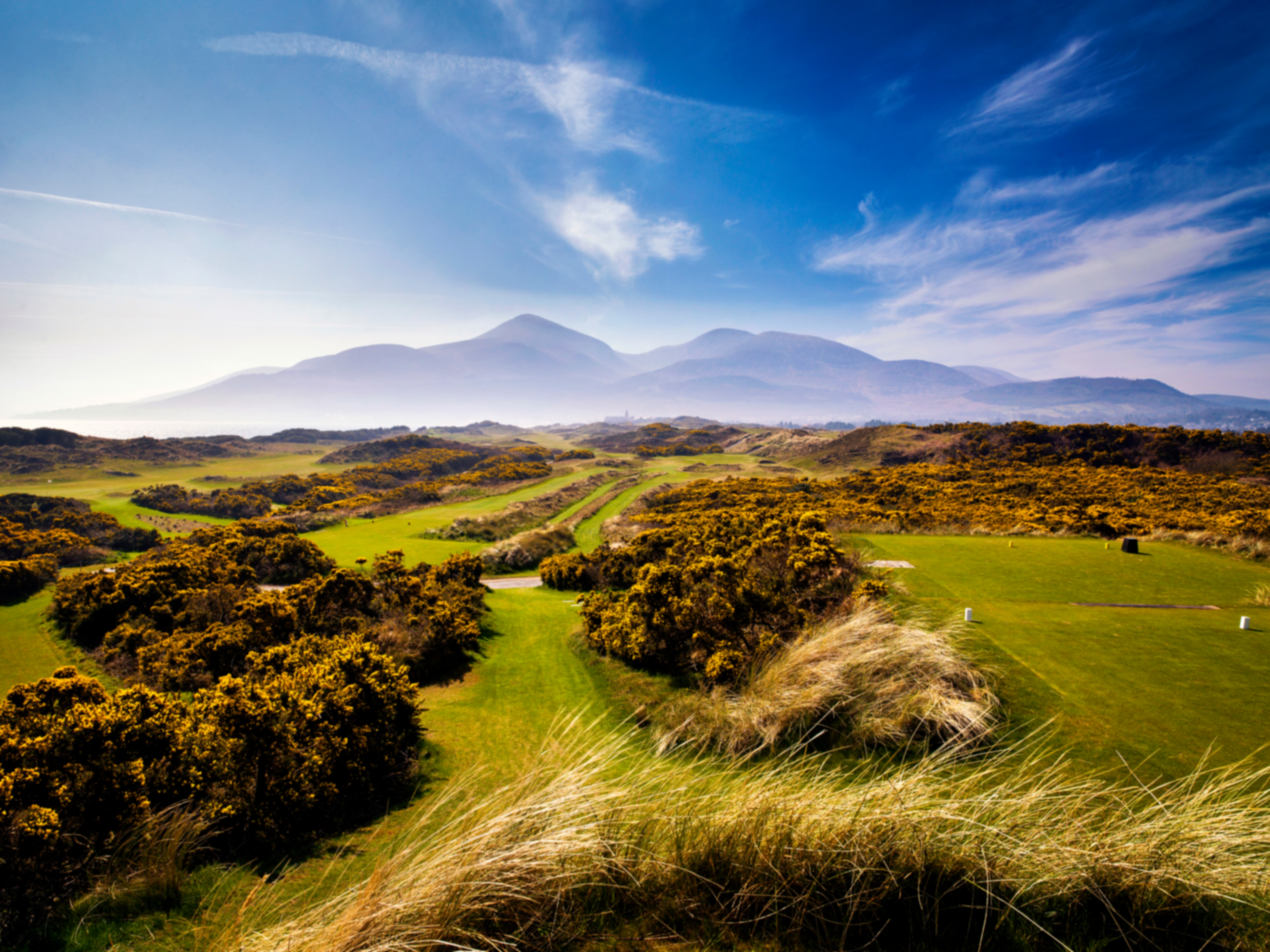
Championship Links Course, Royal County Down
Value for money
Both destinations cater to a range of budgets, but the overall value proposition varies.
Scotland: Scotland offers a broad spectrum of price points, from bucket-list courses with premium green fees to excellent value options across its many regions. While iconic venues can be expensive, there are plenty of high-quality municipal and lesser-known courses that allow you to build a memorable trip without overspending. Its accessibility from the UK can also help keep overall costs down, particularly for shorter breaks.
Ireland: Ireland is home to some of the world’s most iconic golf courses, and that reputation is reflected in the pricing. Green fees at top links venues can be premium, especially during peak season. However, for many golfers, the experience of playing these bucket-list courses more than justifies the cost.
That said, it is still possible to find great value across Ireland, with excellent courses available at more accessible prices, particularly outside peak months or in less-travelled regions. Areas such as Wexford and the east coast are ideal for golfers looking to balance quality with value.
Cruden Bay
The golf experience
At the heart of your decision is the golf itself. Both destinations are steeped in history, but the experience can feel subtly different.
Volume and variety of golf courses
The number of courses available and how different they feel can shape your itinerary.
Scotland: Scotland, the Home of Golf, offers an exceptional depth and variety of courses. From world-famous links to scenic inland layouts, the country provides a diverse mix of styles across its regions. Areas like St Andrews and East Lothian combine multiple links courses with nearby parkland options, allowing for a well-rounded golf experience within a relatively compact area.
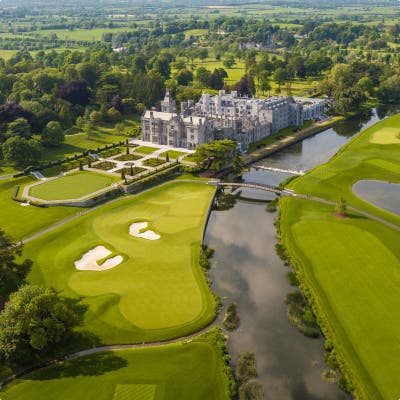
Ireland: Ireland is world-renowned for its links golf. From famous names to hidden gems, the country offers an unmatched concentration of authentic coastal courses, alongside a selection of high-quality parkland layouts. Ireland is also home to several outstanding inland resorts, including Adare Manor, The K Club and Druids Glen, which provide a different style of luxury golf experience away from the coast. The variety tends to come from travelling between regions, with each area offering its own distinct character and golf experience.
.jpg?auto=webp&disable=upscale&blur=3&fit=bounds)
The Waterville Golf Club
Championship pedigree
For many golfers, playing courses with tournament history adds an extra layer of appeal.
Scotland: Scotland boasts unmatched championship heritage, as the birthplace of golf and a regular host of The Open Championship. Iconic venues such as St Andrews, Royal Troon and Muirfield are steeped in history and tradition, offering a chance to walk in the footsteps of the game’s greatest players.
Ireland: Ireland’s reputation is built on iconic, globally recognised courses that consistently feature in world rankings. Royal County Down, in particular, is often considered one of the best golf courses in the world, and by many as the finest in the British Isles. While fewer have [hosted The Open][3], many have staged major amateur and professional events, and their heritage, setting and prestige make them true bucket-list venues for golfers worldwide.
.jpg?auto=webp&disable=upscale&blur=3&fit=bounds)
Dundonald Links
Course style and scenery
Landscape and design play a big role in how each round feels.
Scotland: Expect classic links golf shaped by nature, with firm fairways, coastal winds and historic layouts set along rugged shorelines. Regions like St Andrews and East Lothian offer iconic seaside views, while inland areas provide scenic parkland courses among rolling hills and countryside. The overall feel is traditional, varied and deeply connected to the origins of the game.
Ireland: Ireland is all about dramatic links golf. Think rugged coastlines, towering dunes and sweeping ocean views. The landscape is bold and untamed, with courses often set in remote locations where the scenery feels as memorable as the golf itself. The ever-changing weather adds another layer to the experience, making each round unique.
.jpg?auto=webp&disable=upscale&blur=3&fit=bounds)
Old Head Golf Links
Resorts and the off-course experience
A golf holiday is about more than just the rounds you play. The atmosphere after the round helps define the overall trip.
Scotland: Accommodation is often centred around well-known golf towns and regions such as St Andrews, East Lothian and Ayrshire. You will find a mix of luxury resorts, historic hotels and golf-focused stays, many located close to multiple courses. This creates a convenient and sociable base, with plenty of options for dining and relaxing after your round.
Ireland: Ireland offers a mix of luxury golf resorts, traditional hotels and guesthouses. Many of the top courses are located in more remote coastal areas, which adds to the charm and sense of escape, but can mean accommodation is more spread out and less centralised.
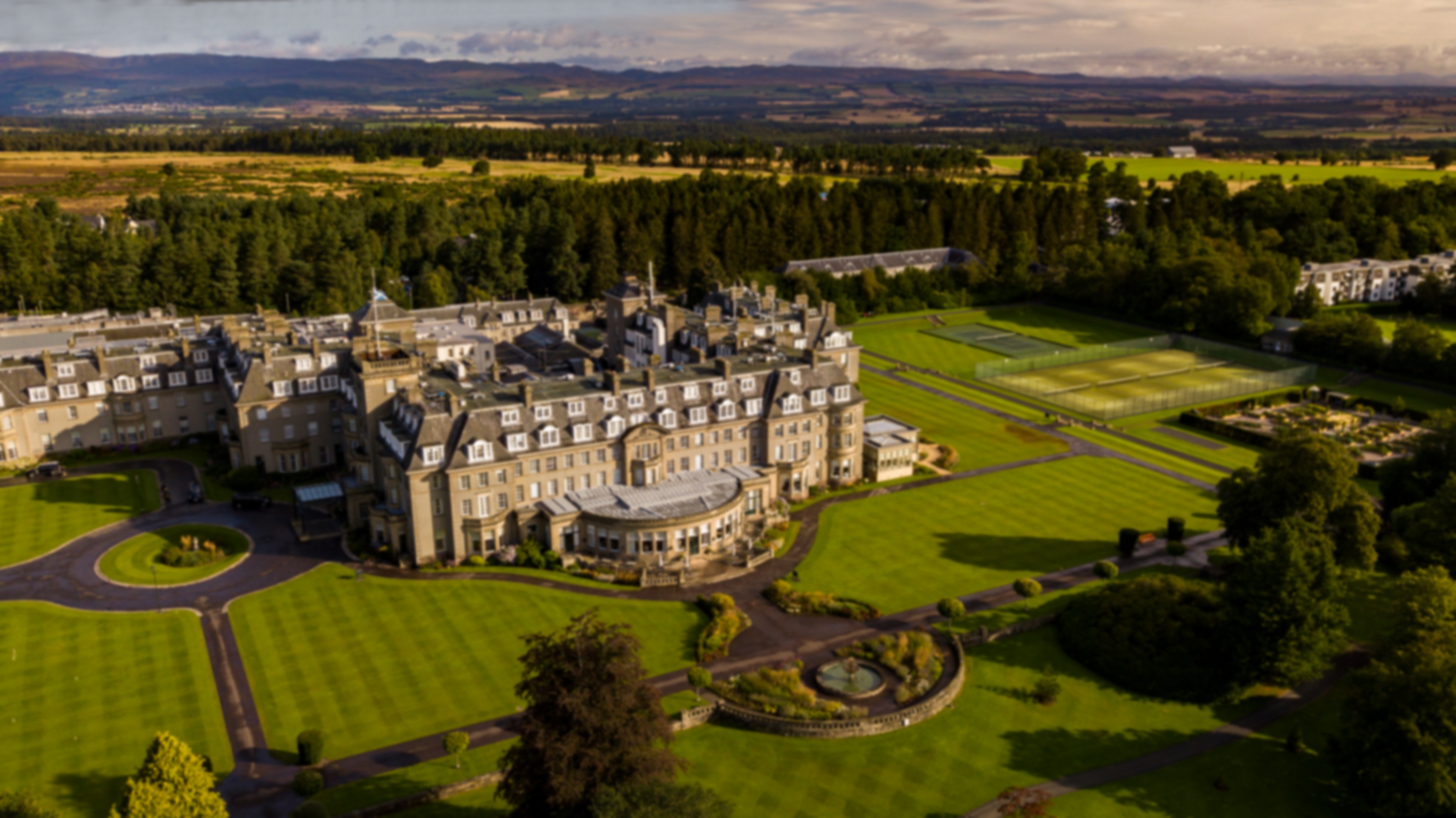
Gleneagles Resort
Where to stay and play
Both Scotland and Ireland offer fantastic stay-and-play experiences, combining top-quality golf with convenient, comfortable accommodation across some of the world’s most iconic golf regions.
Scotland favourites
- Fairmont St Andrews – A luxury resort overlooking St Andrews Bay, offering two excellent on-site courses and easy access to the Home of Golf.
- Gleneagles Hotel – One of Scotland’s most famous resorts, featuring three outstanding courses alongside five-star accommodation and world-class facilities.
- Trump Turnberry – A renowned coastal resort in Ayrshire, home to the iconic Ailsa Course and offering a true links golf experience with spectacular views.
- Rusacks St Andrews – A historic and stylish hotel in the heart of St Andrews, perfectly positioned for access to the Old Course and surrounding links.
Ireland favourites
- Carton House, A Fairmont Managed Hotel – One of Ireland’s premier golf resorts, home to the Montgomerie and O’Meara courses, blending top-quality golf with five-star accommodation just outside Dublin.
- Druids Glen Hotel & Golf Resort – Known as the “Augusta of Europe,” this resort features two outstanding courses and a luxury hotel setting in the Wicklow countryside.
- Portmarnock Resort & Jameson Golf Links – A stunning coastal resort offering true links golf just minutes from Dublin Airport, perfect for a first or final stop on an Irish golf trip.
- Lough Erne Golf Resort – A standout destination in Northern Ireland, with two exceptional courses set among breathtaking lakeside scenery.
Druids Glen
Nightlife and social scene
Scotland: Evenings in Scotland tend to be relaxed and sociable, centred around traditional pubs, good food and whisky. The atmosphere is welcoming without being overly lively.
Ireland: Ireland is famous for its vibrant pub culture, with live music, friendly locals and a lively social scene that makes it a favourite for groups.

City of Edinburgh
Food and drink culture
Scotland: Expect hearty, satisfying cuisine built around exceptional local produce, from fresh seafood and game to traditional favourites. The experience is often complemented by Scotland’s world-famous whisky, with distilleries and cosy bars adding a distinctive touch to any golf trip.
Ireland: Ireland offers an equally impressive food scene, combining traditional dishes with high-quality local ingredients, particularly fresh seafood from its coastline. The country’s renowned pub culture enhances the experience, with great food, Guinness and Irish whiskey all playing a key role in post-round relaxation.
Temple Bar in Dublin
Overall vibe
Scotland delivers a historic, authentic golf experience with a strong sense of tradition and accessibility. It is varied, flexible and deeply connected to the roots of the game.
Ireland offers a more rugged and adventurous feel, with dramatic landscapes, world-famous links and a lively, social atmosphere that makes every trip memorable.
Sample itineraries
Three-day Ayrshire golf break:
- Inspired by Scotland’s iconic west coast, this short-break itinerary highlights the very best of links golf in Ayrshire, one of the country’s most accessible and rewarding regions.
- Stay in Ayrshire, a stunning coastal base with a great selection of hotels and easy access to multiple world-class courses
- Play Trump Turnberry (Ailsa Course), one of the most famous links in the world, offering dramatic coastal views and a true championship test
- Take on Royal Troon, a historic Open venue known for its classic layout and challenging finishing holes
- Add a round at Dundonald Links or Western Gailes to experience another top-tier links within a short drive
- Enjoy minimal travel time between courses and relaxed evenings with great food and whisky
- Ideal for golfers looking for a bucket-list Scottish links experience in a compact, easy-to-navigate region
- Our Wexford trip was all about authentic Irish links golf and exploring one of the country’s hidden gem regions.
- Stay in County Wexford, a scenic base with access to several outstanding coastal courses
- Play Rosslare Strand, a traditional links offering a true test shaped by the elements
- Tee it up at St Helen’s Bay, known for its dramatic seaside setting and memorable holes
- Experience the raw beauty of Irish golf with coastal views, wind and ever-changing conditions
- Enjoy evenings in local pubs with a relaxed, sociable atmosphere and traditional Irish hospitality
- Perfect for golfers seeking an authentic links experience away from the more crowded bucket-list destinations
Planning your golf trip to Scotland or Ireland
Booking tips
- Scotland’s most famous courses, particularly in peak season, should be booked well in advance Ireland’s top links venues also require early booking, especially for summer travel
- Consider how much travel you want within your trip, with Scotland offering more compact regions and Ireland favouring longer routes
- Think about your group and trip style, whether it is a short break or a bucket-list tour
Scotland vs Ireland golf FAQs
Q: Is Scotland or Ireland better for golf? A: Both deliver outstanding golf experiences. Scotland is the Home of Golf, known for its rich history, variety and easy access. Ireland, on the other hand, is famed for its dramatic coastal links and a more rugged, immersive feel.
Q: Which destination is easier to get to from the UK? A: Both are highly accessible. Scotland is often reachable by car, train or short domestic flight, while Ireland is just a quick flight or ferry crossing away.
Q: Which has more golf courses? A: Scotland has a larger number of courses overall, offering great variety. Ireland stands out for its high concentration of world class links along its coastline.
Q: Which is better for golf groups? A: Both work well for groups. Scotland is ideal for shorter, flexible trips, while Ireland suits longer itineraries with a more immersive, away from it all feel.
Q: Which has better nightlife? A: Ireland is famous for its lively pubs and social atmosphere. Scotland offers a more relaxed pace, though still plenty of great places to unwind after a round.
Q: Can you play year-round? A: Yes, golf is played throughout the year in both destinations. For the best weather and longest days, spring through to autumn is the ideal time to visit.
Choosing your ideal golf trip
Ultimately, both Scotland and Ireland offer world-class golf within easy reach of the UK. Scotland stands out for its heritage, variety and ease of planning, while Ireland delivers unforgettable links golf and a more adventurous, scenic experience.
Whichever you choose, you can expect a golf trip defined by iconic courses, rich culture and unforgettable moments on and off the fairways.

Updated 01 May 2026
Product Manager- UK Hotels & Resorts
Related articles



About Golfbreaks
Speciality holiday types
Popular golf destinations


Proudly in partnership with


