
.webp?auto=webp&width=880&height=495&disable=upscale&quality=75&fit=bounds)



.JPG?auto=webp&width=880&height=495&disable=upscale&quality=75&fit=bounds)





















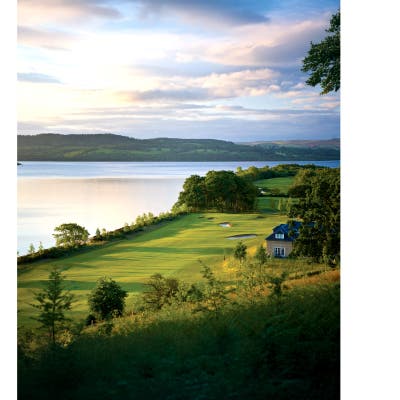
Golf courses come in all shapes and sizes, and no two offer quite the same experience. From windswept coastal links and picturesque parkland layouts to dramatic desert courses and world-famous championship venues, each has its own characteristics, challenges and appeal.
That variety is part of what makes golf so special. Every course offers something new, whether it is a different style of play, an unfamiliar landscape or a fresh challenge. Golf travel gives you the opportunity to experience even more of these differences, discovering new destinations and memorable courses around the world.
But what actually makes one golf course different from another? Why are some courses par 70 and others par 72? What makes a course particularly difficult, and what separates an everyday layout from a true bucket-list experience?
Whether you're new to golf, planning your next golf holiday or simply want to understand more about the courses you play, we've answered some of the most common questions about golf courses below.
What are the different types of golf courses?
Golf courses come in several different styles, each shaped by its location, terrain and design. The main types include:
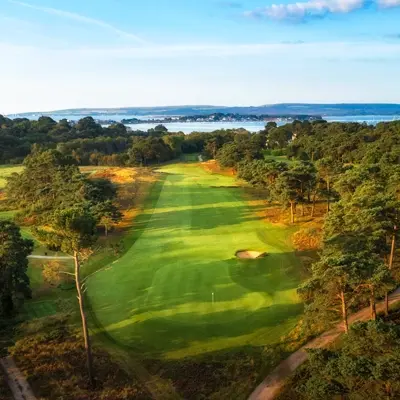
- Links courses - The most historic form of the game, these traditional coastal courses are built on sandy, free-draining terrain, known for their firm fairways, dunes and windy conditions.
- Desert courses - Lush fairways surrounded by desert, rock and native vegetation, often with dramatic mountain scenery.
- Heathland courses - Inland courses built on sandy soil, typically featuring heather, gorse, mature trees and firm playing conditions.
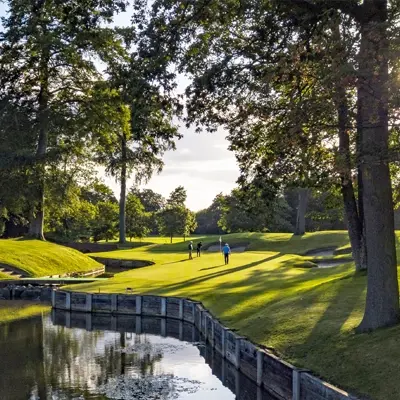
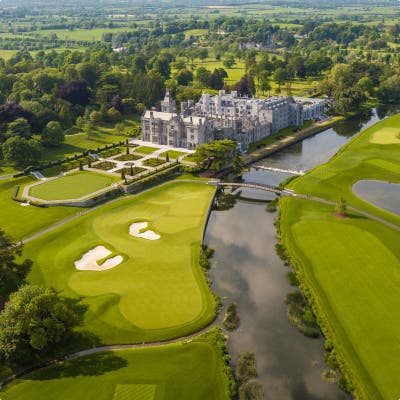
- Parkland courses - Green, tree-lined layouts usually featuring softer fairways, water hazards and carefully maintained landscapes.
- Championship courses - Courses designed or set up to provide a challenging test for elite golfers and host major professional tournaments.
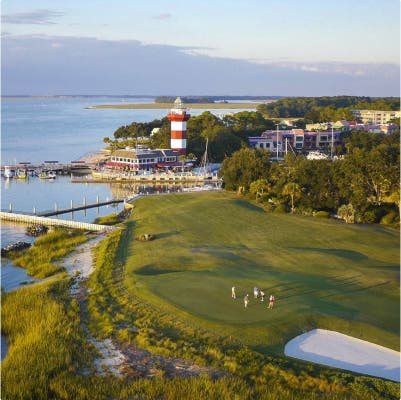
- Resort courses - Courses located within or alongside resorts, allowing golfers to combine their rounds with accommodation, dining and leisure facilities.
Each style provides a different challenge and experience. Find out more about their defining features, famous examples and which might suit your game in our guide to the different types of golf courses.
.jpg?auto=webp&disable=upscale&blur=3&fit=bounds)
PGA National
Why are some golf courses par 70, 71 or 72?
A golf course's total par is determined by the par assigned to each individual hole, based largely on its length and how many shots a skilled golfer is expected to need to complete it.
Most 18-hole courses have a mixture of par-3, par-4 and par-5 holes, and the combination determines the overall par.
- Par 72 - A common layout featuring four par 3s, ten par 4s and four par 5s.
- Par 71 - Often has one fewer par 5, or an additional par 4, compared with a typical par-72 layout.
- Par 70 - Usually features fewer par 5s and more par 4s.
A lower par doesn't necessarily mean a course is easier. A par 70 course can still be extremely challenging depending on factors such as its length, bunkering, rough, hazards, green complexes and weather conditions.
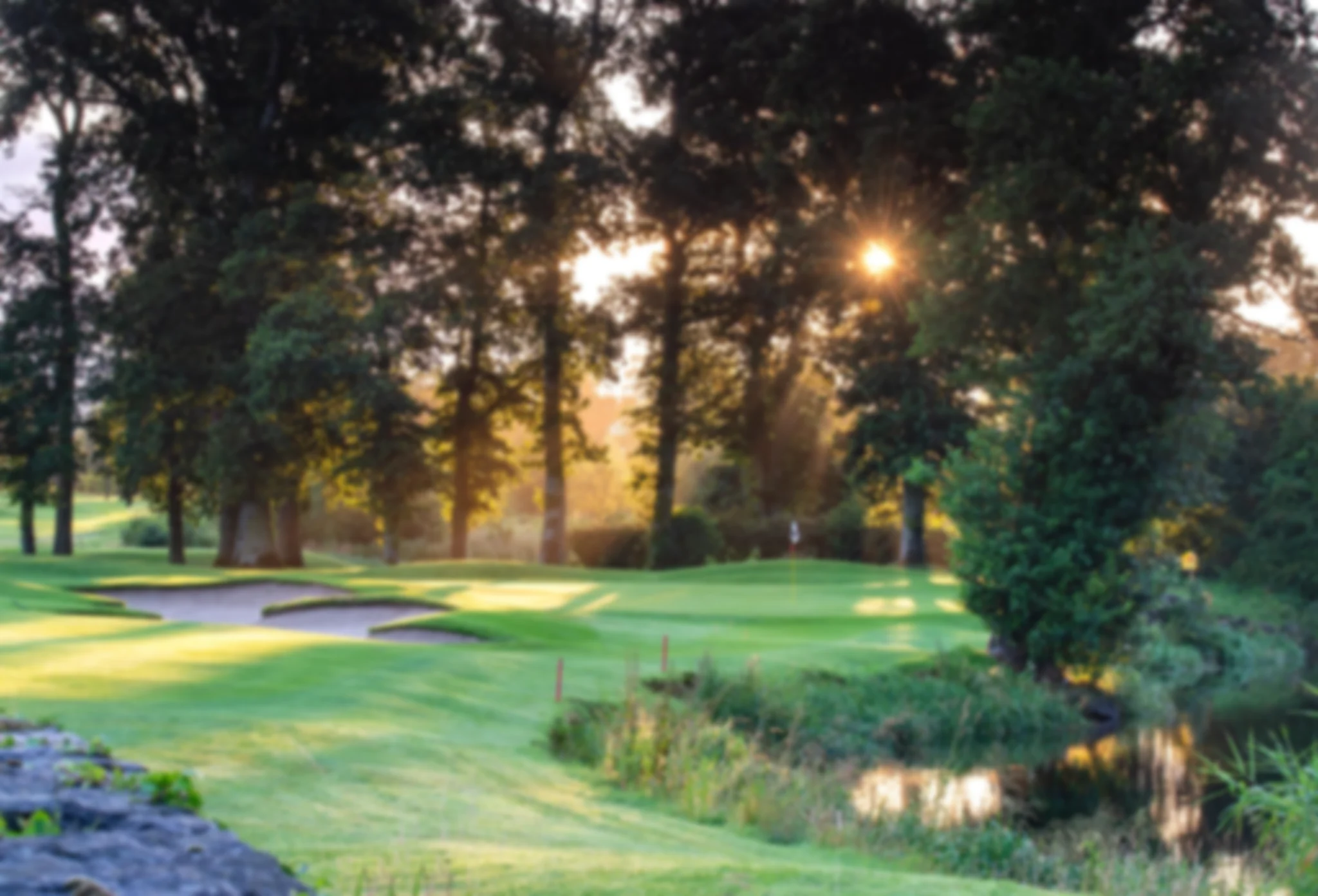
The K Club
How long is a typical golf course?
A typical 18-hole golf course measures around 6,000 to 7,000 yards, although the exact length varies depending on the course and which set of tees you play from.
- Forward tees usually provide the shortest overall distance.
- Middle tees offer a moderate length suitable for a wide range of golfers.
- Back or championship tees can stretch beyond 7,000 yards and provide a much tougher test.
- 9-hole courses are generally around half the length of a full 18-hole course.

Amendoeira Golf Course
Why do golf courses have multiple sets of tees?
Golf courses have multiple sets of tees so players can choose a distance that best suits their ability, experience and hitting distance. Each set changes the overall length of the course while keeping the same basic layout.
- Forward tees shorten the course and can make longer holes more manageable.
- Middle tees provide a balanced challenge for many recreational golfers.
- Back tees increase the distance and difficulty for more experienced players.
- Championship tees are usually the longest option and may be used for elite amateur and professional competitions.
Choosing the right tees can make a big difference to both enjoyment and pace of play. Rather than choosing based on age or gender, golfers should consider their ability and how far they typically hit the ball.
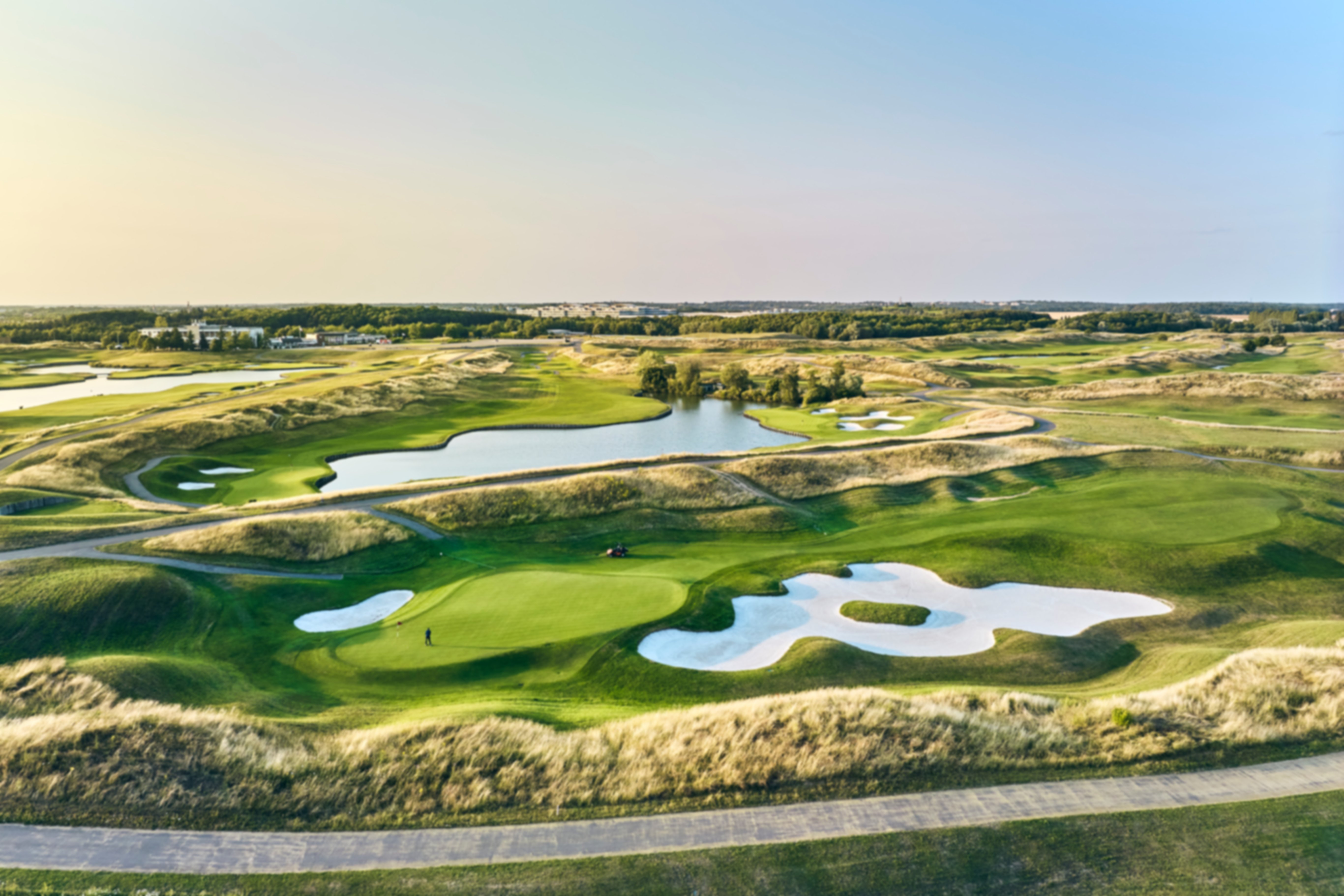
Le Golf National
What makes a golf course difficult?
A golf course's difficulty is determined by much more than its overall length. Course designers use a combination of natural features, hazards and strategic challenges to test different parts of a golfer's game.
Some of the biggest factors include:
- Length - Longer holes place more emphasis on driving distance and long approach shots.
- Bunkers and water hazards - Well-positioned hazards can punish inaccurate shots and force golfers to think carefully about where they aim.
- Narrow fairways - Less room from the tee makes accuracy particularly important.
- Rough and vegetation - Thick rough, heather, gorse and other natural areas can make recovery shots much harder.
- Green complexes - Small, fast or heavily contoured greens make approach shots and putting more demanding.
- Elevation changes - Uphill, downhill and uneven lies can make distance control more difficult.
- Weather conditions - Wind, rain and firm or soft ground conditions can completely change how a course plays.
- Course design - Doglegs, strategically placed hazards and risk-and-reward holes require good course management rather than simply hitting the ball as far as possible.
Another important measure is a course's Slope Rating, which indicates how much more difficult it is expected to be for a bogey golfer compared with a scratch golfer. It works alongside a player's Handicap Index, the Course Rating and par to determine their Course Handicap, or the number of strokes they receive from a particular set of tees. This means the same player may receive a different number of strokes depending on the course and tees they play.
A long course isn't necessarily a difficult one. Some of the toughest layouts rely on clever design, demanding greens and strategic hazards to challenge golfers of every ability.
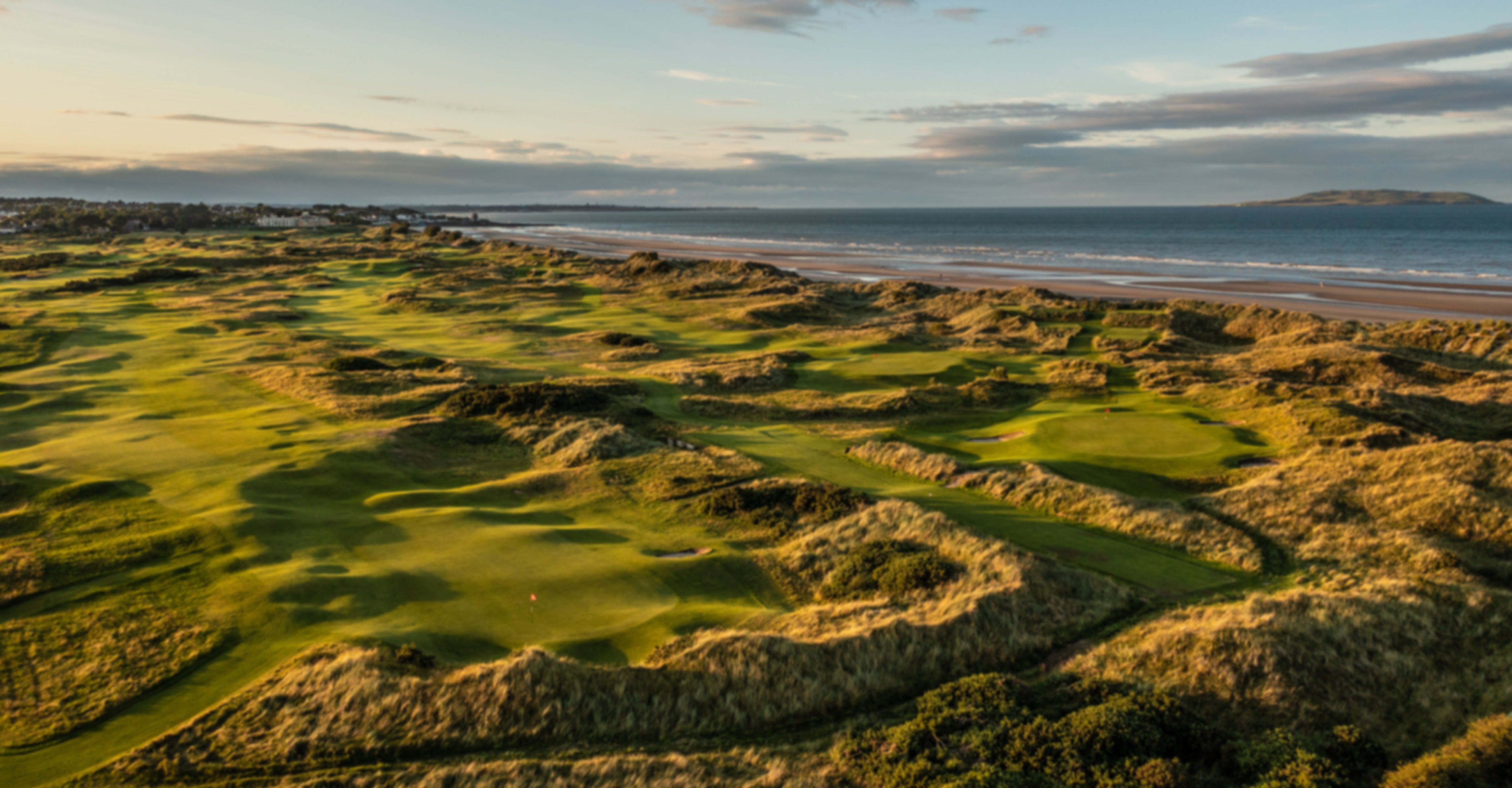
Portmarnock Golf Course
What makes a golf course beginner-friendly?
A beginner-friendly golf course should provide an enjoyable challenge while giving newer players room to make mistakes and build confidence. Some of the key features include:
- Wide, forgiving fairways that provide more room for error from the tee.
- Manageable rough so wayward shots aren't overly punished.
- Fewer forced carries and hazards, particularly between the tee and fairway or green.
- Multiple tee boxes, allowing golfers to play the course at a suitable yardage.
- Receptive greens that reward good approach shots without being excessively difficult.
- Good practice facilities, such as a driving range, putting green and short-game area.

Aphrodite Hills
What is a golf course architect?
A golf course architect is responsible for designing how a golf course looks, plays and interacts with the surrounding landscape. Their role can include:
- Deciding where tees, fairways and greens should be positioned.
- Creating the overall routing of the course.
- Positioning bunkers, water hazards and other strategic features.
- Making use of natural contours, vegetation and elevation changes.
- Creating variety between holes and balancing difficulty with playability.
- Considering practical elements such as drainage, maintenance and how golfers move around the course.
Some of the world's most renowned golf architects have developed distinctive design styles, meaning golfers can often recognise similarities between their courses. Names you'll regularly encounter on a golf holiday include Donald Ross, Alister MacKenzie, Pete Dye, Tom Fazio and Robert Trent Jones Sr.
.jpg?auto=webp&disable=upscale&blur=3&fit=bounds)
Teeth of the Dog
What is a course routing?
Course routing describes how the holes are arranged across the land and connect to create the full round. It is essentially the blueprint for how you travel from the first tee to the 18th green.
A good routing will consider:
- The natural shape and contours of the land.
- Changes in elevation.
- Prevailing wind direction.
- The positioning of natural features such as coastlines, woodland and water.
- Variety in hole length and direction.
- Distances between greens and the following tees.
- Opportunities to incorporate particularly scenic or interesting parts of the landscape.
Routing is one reason courses can feel so different even when they occupy similar landscapes. The UK's enormous variety of links, heathland and parkland golf is particularly good for experiencing how designers have used very different natural environments. Our England golf tours showcase plenty of examples.

Kingsbarns
Why do golf courses have different grass types?
Different grasses thrive in different climates and create different playing characteristics, so the type of grass used can have a noticeable impact on your round.
- Climate: Some grasses perform better in hot conditions (like Bermuda grass), while others thrive in cooler environments.
- Drainage: Certain grasses cope better with dry, sandy ground (like Zoysia grass), while others are suited to areas receiving more rainfall.
- Playing surface: Different varieties can affect how firm or soft a fairway feels and how quickly greens run.
- Durability: High-traffic areas need grasses capable of recovering from regular play.
- Course area: Greens, fairways and rough may use different grasses because each needs to perform a different job.
- Seasonality: Some grasses grow more successfully at particular times of year.
It's one reason golf can feel so different around the world. The firm turf of a traditional UK links can produce a very different experience from the lush fairways found at many American resorts.

Royal St George's Golf Club
What is the difference between a private and public golf course?
The main difference between private and public golf courses is who is able to play them, although access arrangements vary considerably between countries and individual clubs.
- Public courses are generally available for anyone to book and play by paying a green fee.
- Private courses primarily provide access to members and their guests and may require membership or an invitation to play.
- Semi-private courses combine elements of both, offering memberships while still allowing visitors to book selected tee times.
- Resort courses are often accessible to hotel guests and visiting golfers, although some may also have members.
- In the UK & Ireland, many traditional members' clubs welcome visiting golfers at specified times, even though they aren't public courses in quite the same way as many US facilities.
This distinction becomes particularly important when planning a golf trip, as some famous courses are far easier to access than others.
.jpg?auto=webp&disable=upscale&blur=3&fit=bounds)
Trump National Doral
What makes a golf course a bucket-list course?
There isn't an official definition of a bucket-list golf course. Instead, it's a term generally used for courses that offer an experience golfers dream about playing at least once.
A course might earn bucket-list status because of its:
- History, particularly its connection with important moments in the game.
- Tournament pedigree, such as hosting a Major, Ryder Cup or PGA TOUR event.
- Reputation, including recognition as one of the world's best courses.
- Iconic holes that golfers instantly recognise.
- Scenery and setting, from dramatic coastlines to desert landscapes.
- Architecture, particularly courses designed by legendary architects.
- Exclusivity or rarity, making the opportunity to play particularly special.
- Personal significance, because ultimately every golfer's bucket list will be different.
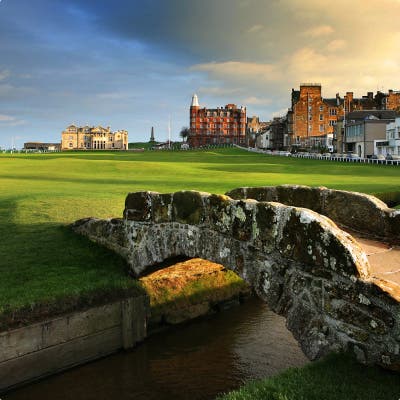
The Old Course at St Andrews is perhaps the ultimate example, combining centuries of history, Open Championship pedigree and its status as the Home of Golf. Other golfers might dream of playing the likes of Pebble Beach, The Ocean Course at Kiawah Island or TPC Sawgrass, all featured within our USA bucket-list golf holidays.

TPC Sawgrass
Choosing the right golf courses for your trip
- Consider the type of course - From traditional coastal links and tree-lined parkland layouts to dramatic desert and resort courses, the style of golf can vary enormously between destinations. Think about the type of experience you enjoy most when deciding where to play.
- Choose the right level of difficulty - A course's yardage and par don't tell the whole story. Narrow fairways, deep bunkers, water hazards, thick rough, challenging greens and exposed conditions can all make a course more demanding, so it's worth choosing layouts that suit the abilities of everyone travelling.
- Picking the right tee - Most courses offer several sets of tees, allowing golfers to choose a yardage appropriate for their ability and hitting distance. Picking the right tees can make a significant difference to both your enjoyment and pace of play.
- Think about accessibility - Not every famous golf course is straightforward to book. Public and resort courses are generally easier for visiting golfers to access, while private clubs may be restricted to members and their guests. In the UK and Ireland, many traditional members' clubs also welcome visitors at selected times.
- Mix up your course styles - If you're playing several rounds during your trip, consider including different types of courses in your itinerary. Combining links, parkland, heathland or resort golf can add variety and ensure that every round feels different.
- Don't overlook lesser-known courses - Bucket-list names might be the reason you choose a destination, but they don't have to be the only courses you play. Adding less famous layouts can provide excellent golf and give you the chance to experience more of what a region has to offer.
- Book bucket-list courses early - Courses with a famous tournament history, iconic holes or worldwide reputation can be particularly sought after. If there's one course you absolutely want to play, it's worth making it a priority when planning your itinerary.
Final thoughts
No two golf courses offer exactly the same experience. From windswept links shaped by the coastline to immaculate resort layouts, rugged heathlands and spectacular desert courses, the variety is one of the things that makes travelling to play golf so rewarding.
Understanding what makes courses different can also help you choose the right ones for your next golf holiday. Yardage and par are only part of the picture, with course design, terrain, hazards, weather and even grass type influencing how a round looks, feels and plays.
Ultimately, the best golf course is different for every golfer. Whether you're searching for a forgiving layout, a challenging championship test or a world-famous course you've dreamed of playing for years, there's always somewhere new to discover.

Published 03 September 2026
Golf Travel Expert


.jpg?auto=webp&disable=upscale&blur=3&fit=crop&width=700&height=400)
About Golfbreaks
Speciality holiday types
Popular golf destinations


Proudly in partnership with


